Native to the Himalayas, goji berries are the red fruits of plants in the Lycium genus, which are related to potatoes, tomatoes and tobacco, other plants in the Nightshade family. In English they are also known as ‘wolfberries’. Available as a dried fruit, powder or juice, goji berries have been used in Traditional Chinese Medicine for hundreds of years, and are now gaining popularity as a ‘superfruit’ because they contain so many nutrients and antioxidants. These red berries, which resemble small peppers, have been used for more than 5000 years in East Asia.

Goji berries are very high in fibre and vitamin A—they contain more betacarotene than any other food, even carrots—and, to a lesser extent, vitamin C (more than oranges per weight), calcium and iron. Goji berries are also very high in antioxidants, so they are a great anti-inflammatory and detoxer. In Traditional Chinese Medicine, goji is used as an immune tonic and a blood tonic. Research on their medicinal properties is being carried out around the globe.

Gojis berries don’t taste great, so it’s a good idea to soften them in water before adding them to smoothies, syrups, muesli bars, ice cream or cakes. Dried goji berries are usually cooked before you eat them, so you can add them to stuffings, soups, teas, casseroles or congee. You can use them to chrysanthemum leaves as a tea.
Be sure to buy organic or at least sulfur-free goji berries, as the berries of Chinese origin have been found to have unacceptable levels of pesticides, leading to the confiscation of these products.
Below – dark chocolate coated goji berries – available from your health food store. Warning – addictive.

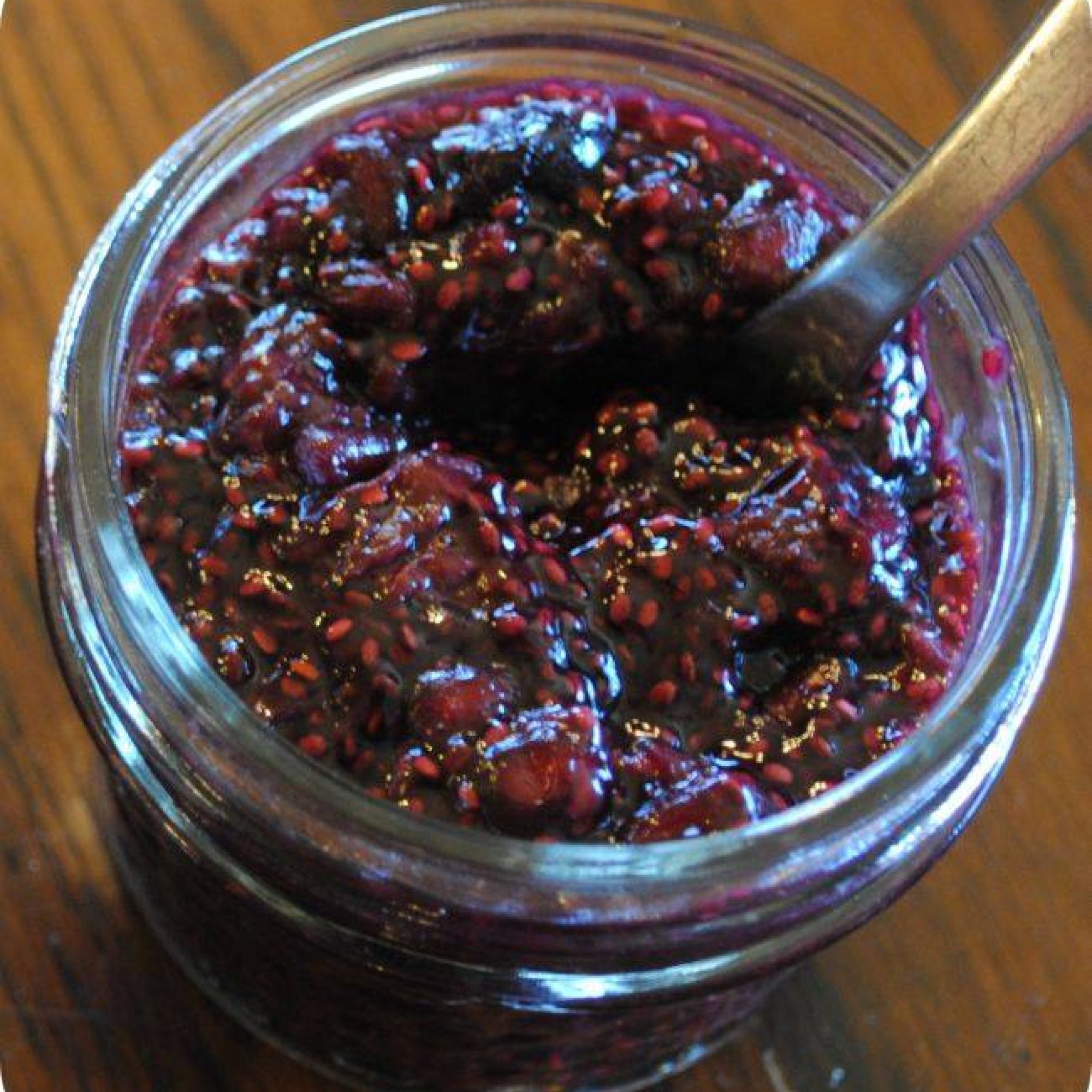
This yummy spread contains loads of antioxidants, protein, vitamin A and omega 3, and it’s raw, gluten, soy, nut and dairy free and vegan. Perfecto!
You’ll need:
1 cup of any berries, and frozen is fine – blackberries, blueberry’s, strawberry’s, sou cherries, mulberry’s…
1 tbsp chia seeds
1 tbsp warm water
1 tbsp maple or rice syrup or coconut nectar
Variations
– 1 tsp raw honey (not vegan of course)
– 1 tsp vanilla essence or seeds from a pod
– 1 tsp lemon or orange juice and grated zest
Method:
Blitz all the ingredients together keeping it a bit chunky so it doesn’t turn into jelly. (Ah, there’s an idea.) Pour into a gorgeous and clean glass jar and pop in the fridge for at least an hour before tucking in. TIme enough to make some ‘Chia Muffins’ to spread it on.
Click links recipe for the muffins and Seed crackers.
http://janellapurcell.com/2014/05/chia-week-chia-berry-hazelnut-muffins-df/
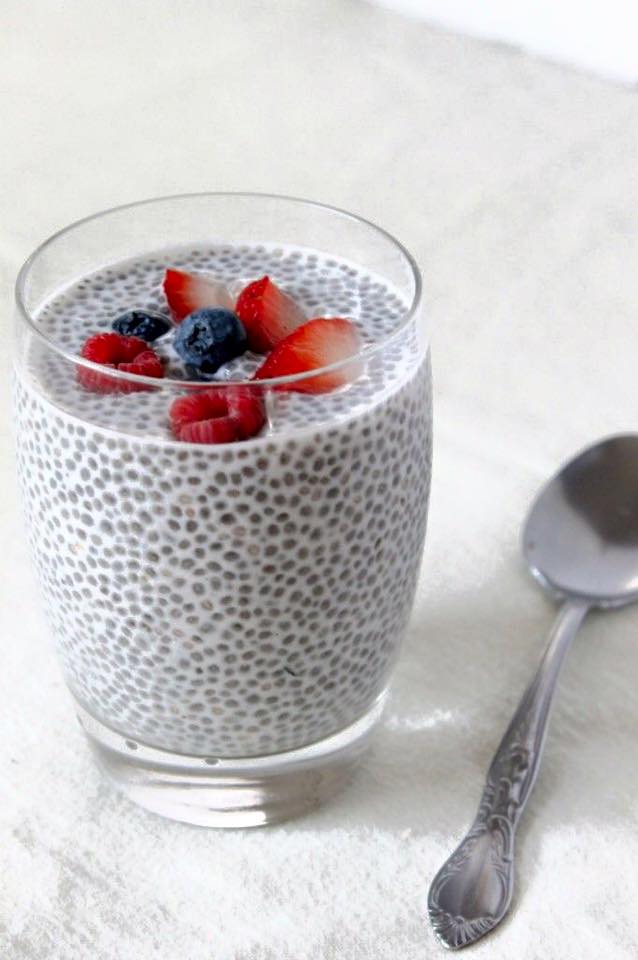
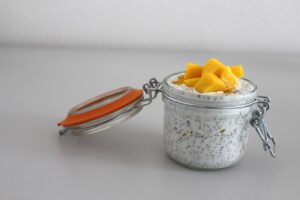
Storage and History.Chia are edible seeds that come from the desert plant ‘Salvia hispanica’, which is grown in Mexico and dates back to Mayan and Aztec cultures. ‘Chia’ literally means ‘strength’ and folklore has it that these cultures used the tiny black and white seeds to boost energy. They are a good source of calcium, omega 3 oils, protein, antioxidants and fibre.
Chia seeds will keep for 2 – 4 years without refrigeration, and more than 4 years if refrigerated. They like a cool, dry location so in humid climates it’s best to keep them in the fridge. Chia won’t go rancid as quickly as flaxseeds do. Even if you grind them into a ‘meal’, they still keep their long shelf life of about 1 – 2 years, unlike flax meal which goes rancid in less than 90 days. Bugs don’t really like these plant oils so usually there’s no need to spray them with toxic chemicals so they are naturally organic.
White or Black Chia Seeds?
The white ones have slightly more omega 3 oils and the dark ones have slightly more protein. The black seeds have more antioxidants thereby protecting the fatty acids. Buy them mixed!
Chia seeds are one of the seeds that your body can break down without grinding them. Once you add water to them they will go gooey, but this mucilaginous consistency is one if its great virtues. If you don’t like this texture, then have them on their own. Just be sure to drink plenty of water afterwards, as they absorb about nine times their weight in water. If you have diverticulitis or other bowel problems, start with 10 g (2 tsp) a day until your bowel is used to this much fibre. If you like, you can slowly increase the amount to 30g. They are available as bran, ground seeds and oil.
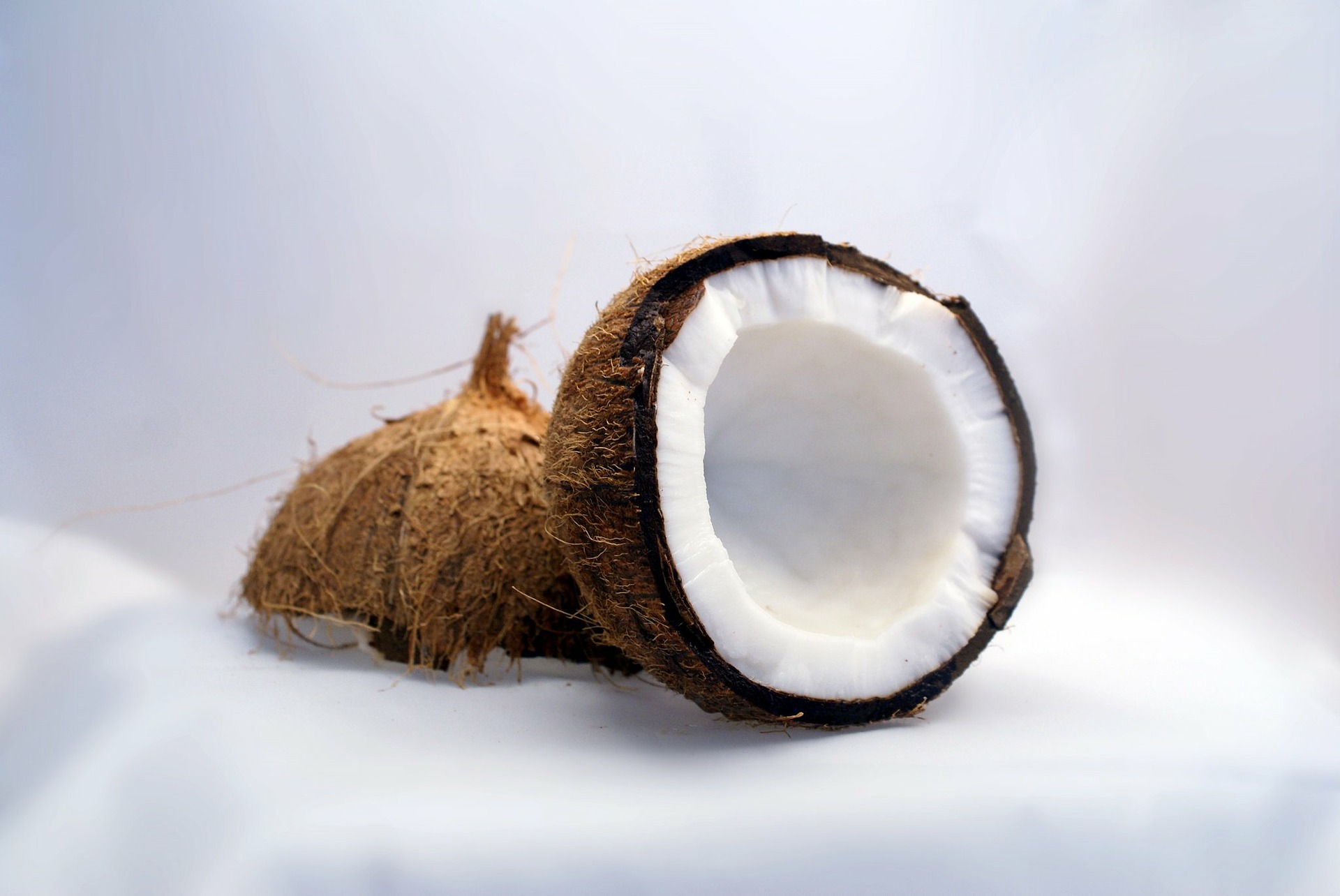
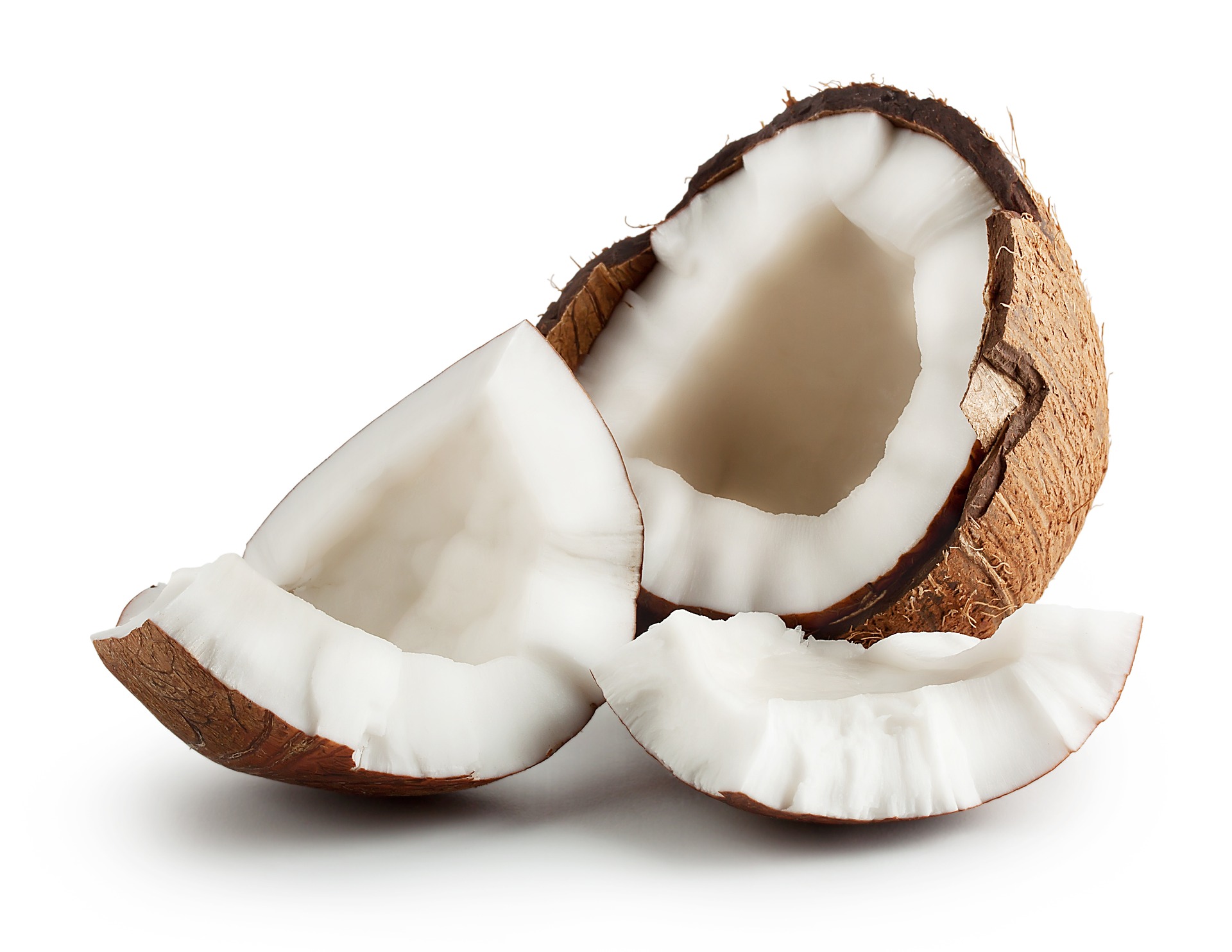

This humble fruit/nut, provides a nutritious source of meat, water, milk, and oil that has fed and nourished populations around the world for generations. So valued as a source of food and medicine, the Coconut Palm tree has been referred to as ‘The Tree of Life.’ These benefits of coconut oil can be attributed to the presence of lauric acid and its properties such as antimicrobial, antioxidant, antifungal, antibacterial and soothing.
The human body converts lauric acid into monolaurin, which is reputed to help in dealing with viruses and bacteria causing diseases such as herpes, influenza, cytomegalovirus, and even HIV. It helps in fighting harmful bacteria such as listeria monocytogenes and helicobacter pylori, and harmful protozoa such as giardia lamblia.
We now know that the medium chain fatty acids (mfca – the fat content) that makes up the coconut, helps to lower the risk of both atherosclerosis and heart disease. It is primarily due to the MCFA in coconut oil that makes it so special and so beneficial – the very reason we were avoiding it. (Excerpt from my book ‘Elixir’.)
Coconut is available whole young and fresh, as water, milk, cream, oil, flour, flaked, desiccated or shredded or now as yoghurt or ice cream.

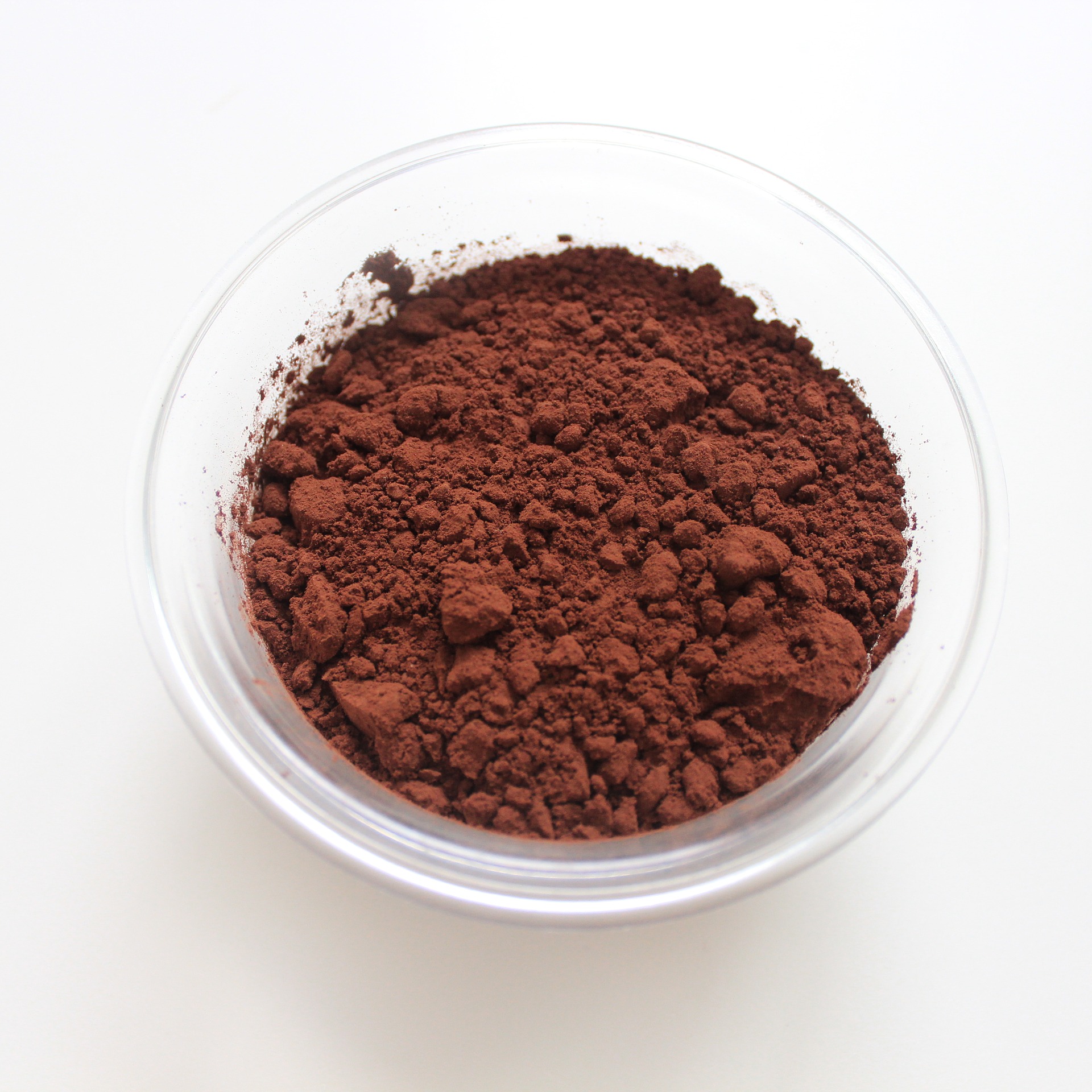
Literally meaning ‘Food of the Gods’, this amazing bean was once used as currency in Mexico, before we had paper money. It has around 621 anti-oxidants, whereas blueberries have around 22. Yep this little bean is loaded with agents that fight oxidative stress – what makes us sick and age. It’s also one of the highest sources of magnesium so really good for aching, tight and sore muscles, heart health, sleeplessness, anxiety or a twitching eye. And you need magnesium to get calcium into your bones and teeth. It’s also packed with fibre so it’s lovely to help elimination thereby aiding bowel health, curb sugar cravings and decrease an insatiable appetite.
Adding a teaspoon to your coffee to make a healthy and yummy mocha (add some coconut palm sugar for sweetness) , or add it to your smoothies, truffles, Bliss Balls, ‘Cacao Crackles’, or Mousse. (Loads of recipes on my website or in my recipe books).


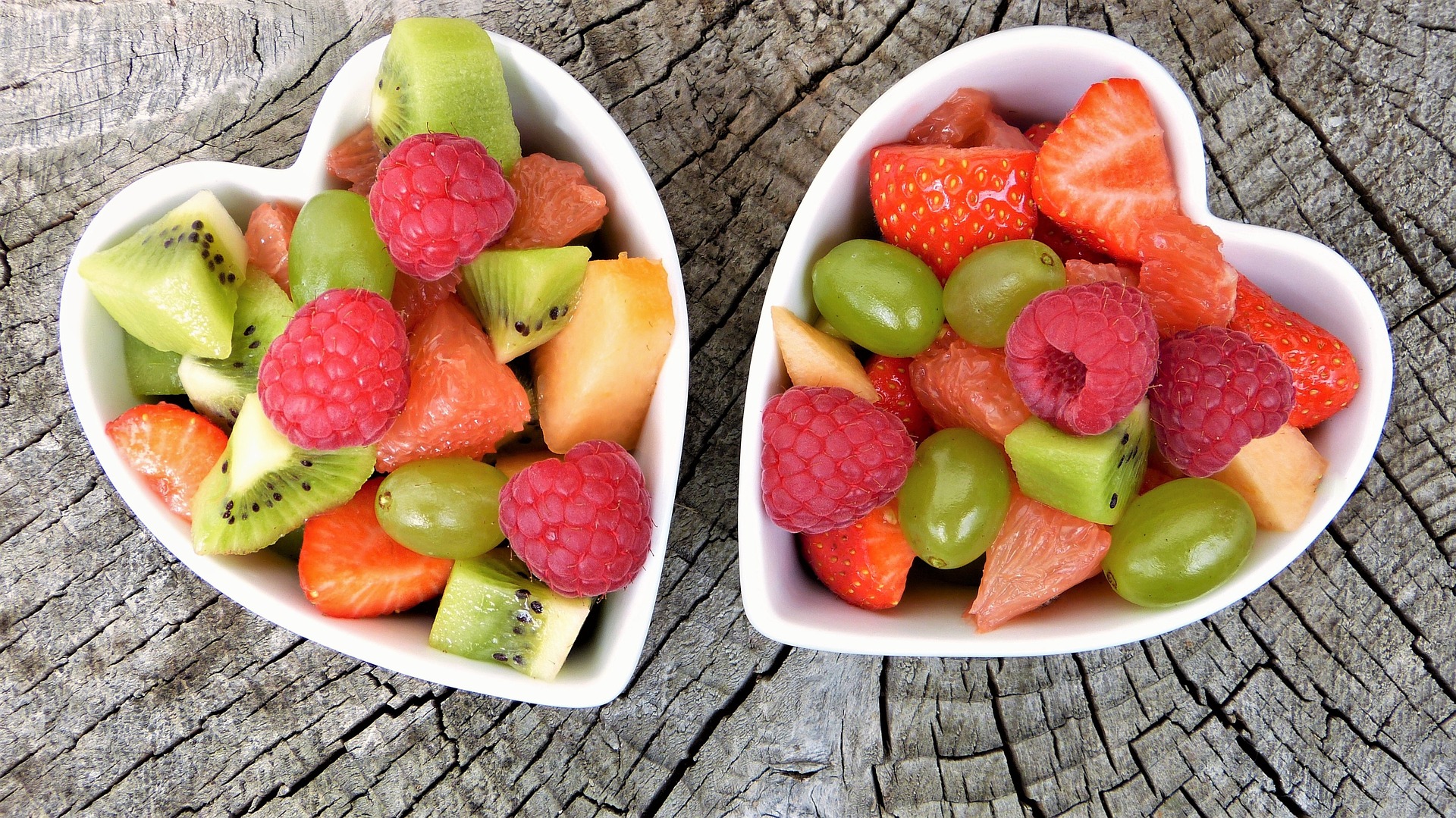

A normal healthy adult can properly digest 25-50 grams of fructose per day. Many people have difficulty digesting less than that, and a few of us have difficulty digesting any fructose at all. Why?
Are apples really the problem? Has too much honey contributed the massive increase in gut problems. Why is it we are happy to eat highly processed low carb, low fat, high protein bars, yet we’re afraid of bananas?[private]
What is FM?
Fructose malabsorption, formerly known as “dietary fructose intolerance” (DFI), is a common digestive disorder that occurs due to improper absorption of fructose (and other sugars like lactose or sorbitol) in the small intestine. What results is an increased concentration of fructose in the entire intestinal tract. About 30-40% of people suffer from F.M. That’s a lot of us considering anything over 5% are considered significant.
Not to confuse F.M. with ‘fructose intolerance’ which is a rare (1 in 10,000 people) and potentially fatal condition in which the liver enzymes that digest fructose are deficient.
What is fructose?
Fructose is the major carbohydrate present in fruit, and although dietary fructose is derived from fruit, most of it comes in the form of sucrose – commonly known as ‘sugar’ – and from foods containing added sucrose. This is because sucrose consists of 50% fructose and 50% glucose. Sweet foods such as desserts, cakes, chocolate and other confectionery, and sweetened beverages such as carbonated soft drinks, sports drinks and so on, have large amounts of added fructose. High fructose corn syrup is a big problem also as it is added to many packaged foods. Fruit juice is also very high in fructose, and continues no fibre to help absorb it.
Why the problem?
Unlike other foods, fructose doesn’t satisfy hunger. So we can eat and eat and eat it past what is required or needed. Weight gain and a myriad other health issues result form an excessive intake of fructose. Issues such as chronic diseases like heart disease, type 2 diabetes and even some cancers.
Most people eat and dink more fructose than their digestive system can absorb. The majority of us cannot properly digest all the fructose we get every day from an apparently normal and healthy diet. A healthy adult can properly digest 25-50 grams of fructose per day, but many people have difficulty digesting less than that, and some of us struggle digesting any fructose at all. Fructose intake should be kept to around 3 g/serving. A can of soft drink for example contains 20-35 grams. Be mindful of the fact that Fructose-containing foods are better tolerated in several smaller servings throughout the day and not on an empty stomach.
Symptoms
If you eat more fructose than your small intestine can absorb, the excess fructose passes through to the large intestine. In the large intestine, the fructose prevents the absorption of water, causing watery stools or diarrhoea, and preventing the absorption of nutrients like iron and zinc. (Supplements won’t absorb either.) The displaced sugar in the large intestine also feeds the bacteria and yeasts that live there, producing hydrogen, carbon dioxide and methane. These gases create pressure in the large intestine, causing bloating, abdominal pain and flatulence.
If your digestive system is able to absorb all of the fructose, you’ll likely suffer from weight gain and obesity, liver cirrhosis, fatty liver and other symptoms of an overworked liver that are normally found in those who drink alcohol to excess. If your digestive system cannot absorb all the fructose, you’ll suffer from the fructose malabsorption symptoms described below.
The symptoms of Fructose Malabsorption have some similarities to those of Irritable Bowel Syndrome (IBS), food allergies, food intolerance, or simply feeling although you’re not digesting properly. When your digestive system doesn’t absorb fructose properly, it can cause abdominal pain, diarrhea and gas. These symptoms can also be caused by a candida overgrowth, from which around 1 in 3 people suffer. Interestingly, candida often accompanies FM.
Short Term Symptoms
Immediate symptoms that may and do occur within minutes of eating foods high in fructose. They can persist for days.
- Flatulence, bloating and distension (from fructose fermenting in the small and large intestine).
- Diarrhoea, and to a lesser degree constipation.
- Indigestion, stomach pain, abdominal pain.
- Fatigue, lack of energy.
- Brain fog.
- Negative and intense emotions.
- Nausea or even vomiting if large quantities of fructose are consumed.
Long Term Symptoms
- Sugar craving (or less frequently, sugar aversion).
- Poor mineral and vitamin absorption causing anaemia, malnourishment and general poor health. Often B vitamins, folate, tryptophan, zinc, iron, magnesium, calcium and other vitamins and minerals will be low. Patients take supplements of these minerals and vitamins with little or no benefit, because they are not being absorbed. They eat good high-nutrient foods, but again many micronutrients in this food are not digested properly.
- Poor skin, nails and hair.
- Underweight, difficulty gaining weight (however, it is also possible to be overweight whilst suffering FM).
- Being moody, early signs of depression.
- Osteopenia/osteoporosis, which can also be caused by a diet high in fructose and low in magnesium.
- Blood triglyceride levels raised.
- Heart disease.
- Inflammation in many forms, including skin problems like rashes, hives, eczema, and dermatitis etc, IBS, heart diseases.
How To Treat it?
Removing fructose from your diet can eliminate all symptoms and restore normal digestion, with health and wellbeing returning. After you have been symptom-free for about 3 months, you can gradually re-introduce small amounts of many of the whole foods that previously caused problems, one at a time. No need to re-introduce high fructose corn syrup or refined sugar of any kind. A good probiotic will naturally very beneficial also. Fructose Malabsorption can be healed, but avoid repeating the patterns that potentially caused the problem in the first place – refined sugar.
Diagnosis
- Hydrogen breath test.
- Stool test.
- Self-diagnosis. Keep a food diary of everything you’ve consumed and then how you feel after. Keep a note of the different symptoms and when they occur. The journal is important, as the effects of some foods can take hours or even up to 3 days to present
What Foods To Avoid?
Foods that contain a high level of free fructose. Glucose helps the small intestine to absorb fructose, so if a food is high in fructose, but also contains as much or more glucose, you can usually eat it with no negative effects. Foods with a high glucose content eaten with foods containing lots of fructose may help to absorb the excess fructose.
Many common fruits contain nearly equal amounts of the fructose and glucose, so they do not present problems for those individuals with Fructose Malabsorption. Some fruits however have a greater ratio of fructose than glucose and should be avoided. These are apples, pears and watermelon – which contain more than twice as much fructose as glucose. Fructose levels in grapes vary depending on ripeness and variety, where unripe grapes contain more glucose.
- Fruit and fruit juices: apple, cherry, grape, guava, lychee, mango, melon (honeydew and watermelon), orange, papaya, pear, persimmon, pineapple, quince, and star fruit. Cooked fruit generally has lower fructose content than uncooked fruit.
- Most dried fruit, including currant, dates, dried fruit or health bars, fig, raisin.
- Processed fruit: barbecue sauce, chutney, fruit from cans (often in juice), plum sauce, sweet and sour sauce, and tomato paste.
- Berries in larger quantities: blueberry, raspberry.
- Sweets, food and drinks with very high sucrose (table sugar) content and with high fructose corn syrup (HFCS).
- Honey, maple syrup, agave, molasses, palm or coconut sugar, high fructose corn syrup.
- Vegetables in larger quantities (fructan content): artichoke, asparagus, beans, broccoli, cabbage, chicory, leek, onion, peanuts, tomato, and zucchini.
- Sweet wines: e.g. dessert wines, muscatel, port, and sherry.
- Wheat- based products: flour, pasta, bread, and whole-grain breakfast cereals.
- Whole-meal products in large amounts.
- Sorbitol (E420 is sorbitol) and xylitol (E967 is xylitol) containing foods: diet / ‘light’ and diabetic drinks, sugar-free chewing gum and sweets, stone fruit, dried fruits (e.g. apple, apricot, date, fig, nectarine, peach, plum, raisin). Beer may be a problem in large amounts.
- Inulin, (a fructan) content is high in the following foods generally known to cause bloating and gas: asparagus, dandelion leaves, garlic, leeks, and onion and wheat bran.
- Foods containing sorbitol, present in some diet drinks and foods, and occurring naturally in some stone fruits, or xylitol, present in some berries, and other polyols (sugar alcohols), such as erythritol, mannitol, and other ingredients that end with -tol, commonly added as artificial sweeteners in commercial foods.
- Foods high in fructans usually cause the same problems as fructose, although this is still under investigation. However, it is recommended that fructan intake for Fructose Malabsorbers should be kept to less than 0.5 grams/serving, as opposed to 0.3g/serving for fructose. Supplements with inulin and fructooligosaccharide (FOS) – both fructans, should be avoided also.
- Foods rich in fructans and other fermentable oligo-, di- and mono-saccharides and polyols (FODMAPs), including artichokes, asparagus, leeks, onions, and wheat-containing products, including breads, cakes, biscuits, breakfast cereals, pies, pastas, pizzas, and wheat noodles.
Examples of generally well-tolerated fruit and vegetables are:
- Eggplant, banana, Brussels sprouts, carrots, mandarin, corn, cucumber, fennel, grapefruit, lemon, potato, pumpkin, radishes, rhubarb, sauerkraut, spinach and sweet potato.

If cutting down or out foods high in fructose for 2 weeks doesn’t solve the problem, you may need to follow the stricter low FODMAP diet. FODMAPs are Fermentable Oligosaccharides (eg: fructans, galactans), Disaccharides (eg: lactose), Monosaccharides (eg: fructose) and Polyols (eg: sorbitol, mannitol, maltitol, Xylitol, isomalt etc). These food molecules may cause the same food absorption problems as fructose.
As always with gut complaints, start by addressing your lifestyle, including your stress levels – work/life balance. Eating too quickly, on the go and/or under stress will make it very difficult for your organs of digestion to function efficiently. Give them a helping hand by practicing Mindful Eating. This is eating whilst doing nothing else, and putting your food or utensils down in between each mouthful. Stop eating before you’re full, and try to eat a balanced diet high in plant- based, whole food. Once again S.L.O.W food wins – Seasonal. Local. Organic. Whole. Fructose Malabsorption is reversible.
Janella Purcell 2015[/private]
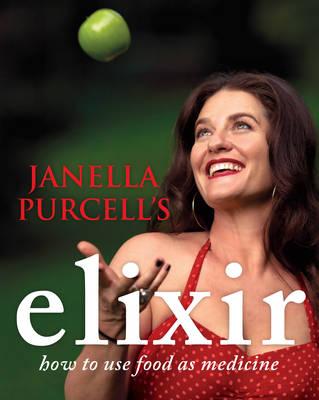
Excerpt from my first book ‘Elixir: How To Use Food As Medicine’.
In the Western world we have a high intake of cows dairy and a high incidence of osteoporosis, so perhaps we need alternative sources of calcium that contain magnesium to help the calcium get into the bones, and without all the additives that cows milk contains.
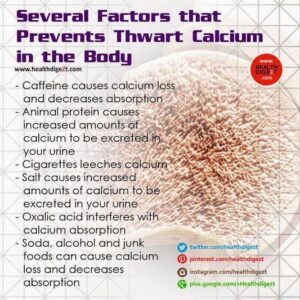
It has been shown that animal protein causes the body to excrete calcium more quickly than plant protein. Coffee also has this effect, along with an excess of unfermented soy products such as milk and tofu. Rich sources of calcium include leafy green vegetables, quinoa, dried fruit, nuts and seeds, molasses, sea vegetables and tahini. Parsley and other herbs are also good sources.
Green plants are higher in calcium than any other food. However, beet greens, plums, cranberry, silver beet and unhulled tahini are high in oxalic acid, which inhibits calcium absorption.

(click image to enlarge)
Calcium is essential for the proper functioning of your heart, bones, nerves and muscles. It is necessary for:
• the prevention of cardiovascular disease
• muscle growth and the prevention of cramps
• blood clotting
• strong bones, teeth and gums
• the prevention of cancer and osteoporosis
• energy
• the breakdown of fats
• healthy skin
• proper digestion
• the nervous system.
Recommended daily intake of calcium
Stage of life RDI (mg per day)
Females
Up to 7 years 800
8–11 years 900
12–15 years 1000
16–54 years 800
Post-menopausal 1000
Pregnant—first two trimesters 1100
Pregnant—last trimester and lactating 1200
Males
Up to 11 years 800
12–15 years 1200
16–18 years 1000
19 years and over 800
Calcium-rich foods Milligrams per 1000 mg food
Agar agar (seaweed) 400
Almonds 233
Chia seeds 500
Chicken 11
Chickpeas 150
Cows milk 119
Cows yoghurt 121
Ground beef 10
Hazelnuts 209
Kelp 1099
Nori 260
Parsley 203
Quinoa 141
Salmon 79
Sardines 443
Sesame seeds 110
Sunflower seeds 174
Tempeh 93
Tofu, firm 100
Watercress 151
Wheatgrass and barley grass (dried) 514
Yellow foods are high in antioxidants like vitamin C, which keeps our teeth and gums healthy, helps to heal cuts, improves the mucus membranes (s in when we have a cold or sinus), helps to absorb iron, prevents inflammation, improves circulation, and therefore prevents heart disease, and is wonderful for our liver.

(click image to enlarge)

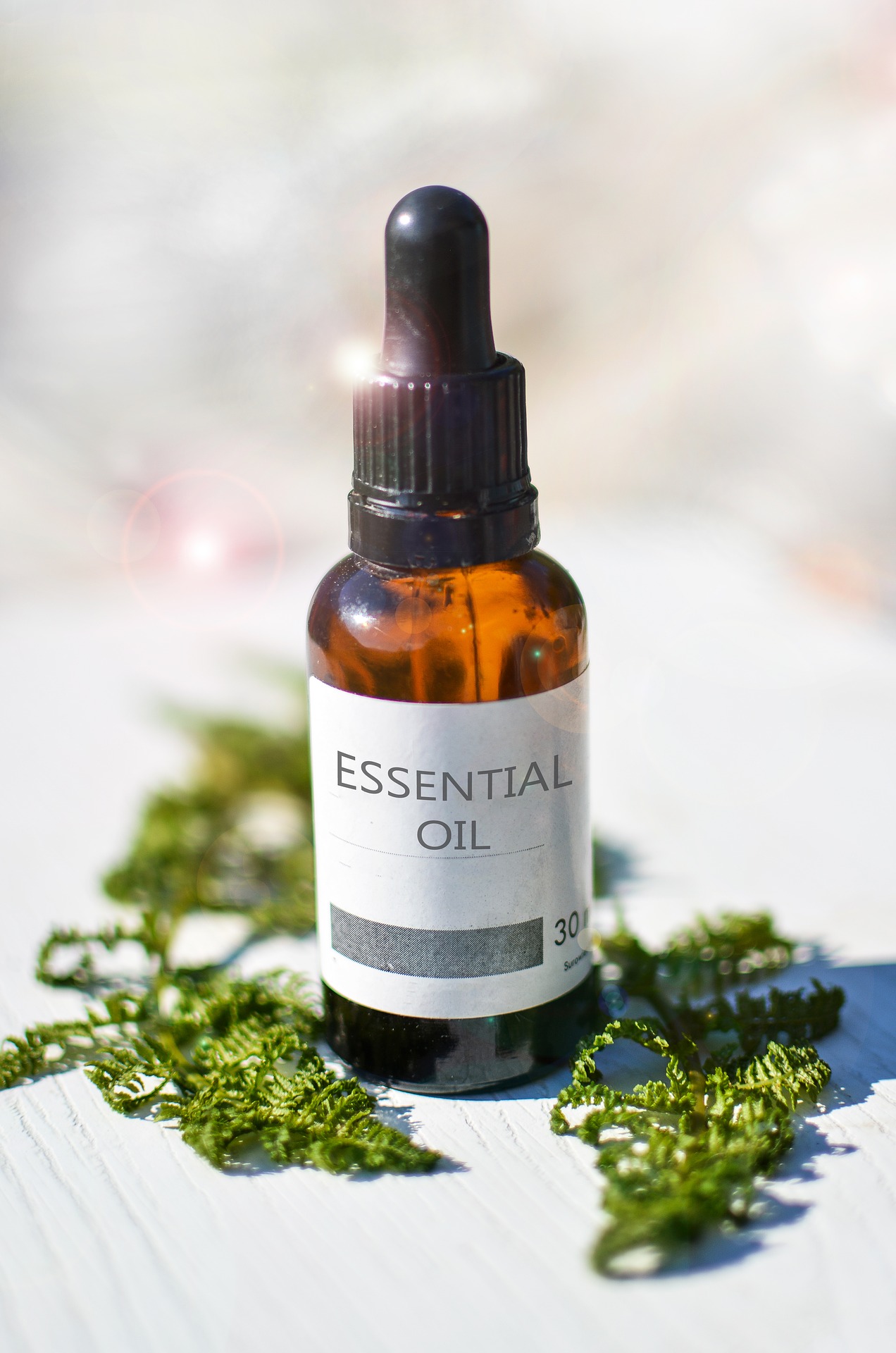

Use the antiseptic powers of this herbal oil to clean your home.
Combine four drops of oregano oil with 10 drops of lemon oil and a quarter-cup of white vinegar, and then add to a bucket of water. Use this mixture to wipe and clean surfaces.

You can also use Tea Tree, Thyme and Lavender.

It’s shocking to think that our internal environment is more toxic than the external? Yep. All those soft furnishings like beds, couches, curtains and cushions, plus electrical chords, cleaning products, etc – all full of toxic chemicals. Get some plants happening inside if you don’t already. They will clean the air.

(click image to enlarge)


The distribution of oregano oil started in Ancient Greece. In Greek the word oregano is translated as joy of the mountains. The Greeks were first to use oregano oil for medicinal purposes – as a powerful antiviral, antibacterial, antiseptic, and anti fungal agents, and also as a remedy for pain and inflammation. It was the main antibacterial tool used by Hippocrates. Oregano leaves were traditionally used to treat illnesses related to the respiratory and digestive systems. Oregano has eight times more antioxidants than apples and three times as much as blueberries

This oil has so many beneifits many of which we are only just re-discovering.
Oregano Oil can zap a wart, skin tag and even moles.

To get rid of that pesky pantar wart:

Remove Moles with Oregano Essential Oil

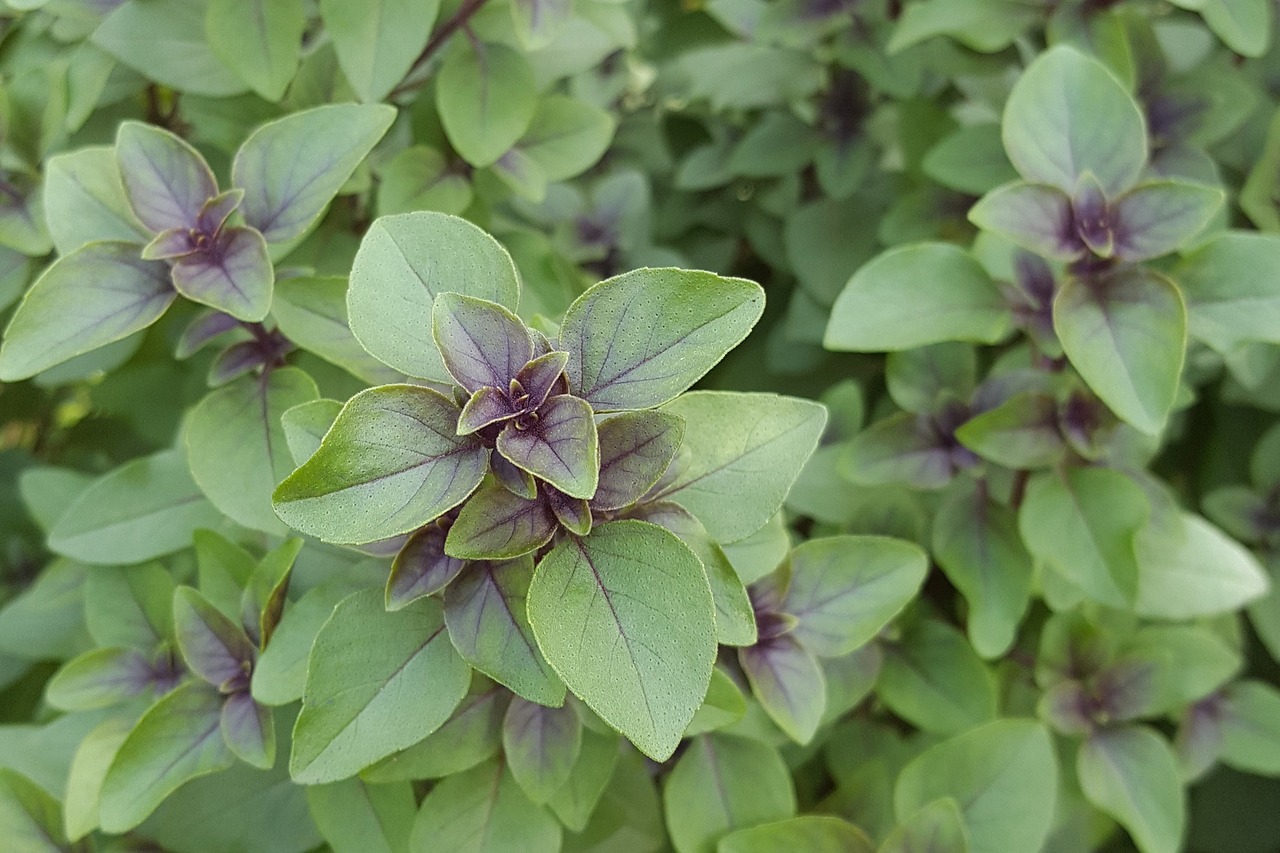

Holy Basil for
Antioxidant activity
Mental health
Radiation damage
Anti-inflammatory, anxiety
Depression and stress
Relax muscles and blood vessels
Hair and skin moisturizer
Constipation
Stomach cramps
Indigestion and flatulence
Cold
Influenza
Whooping cough
Asthma
Bronchitis
Sinus infections
Calming
Relief from PMS
Concentration and memory
Antibacterial
Skin diseases like acne and psoriasis.

The colors in this delicious blend represent the seven Chakras found in Indian holistic (Ayurvedic) medicine. Contains sencha green tea, ginger root, saffron, orange peel, fennel, clove, cardamom cinnamon, safflower, tulsi (holy basil) and licorice root. Buy the ingredients separately and boil up then strain or else look for a similar tea at your health food store, or apothecary.


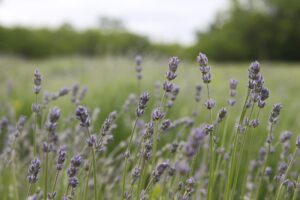
Oils for Sleep – cedar wood, lavender, valerian. Either dab a drop between your brow and one on each wrist (or big toe), or use a diffuser in yours or the kids room. You could also mix a couple of drops with a teaspoon of coconut or jojoba (or any carrier oil I posted earlier in the week) and rub into your chest and neck – keeping away from your eyes. Always get quality 100% pure essential oils, never ‘fragrant’ oils.
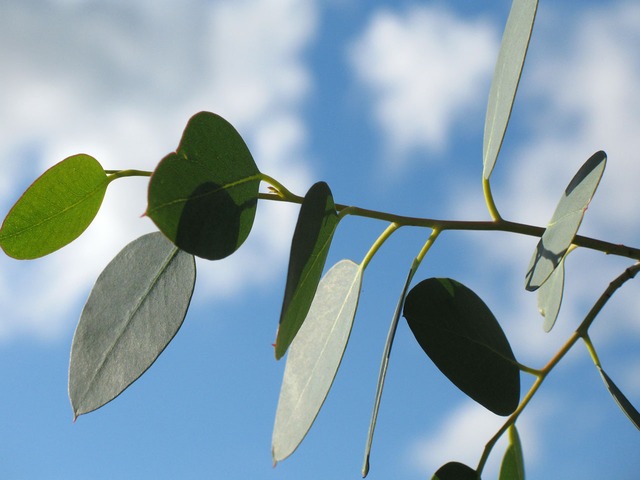

Use any of these oils to help relieve the symptoms of sinusitis. Eucalyptus, tea tree, lime, lemon, rosemary, frankincense, lavender, peppermint, pine, lemongrass and oregano.
– Use a diffuser.
– Mix a couple of drops with about a teaspoon of a carrier oil and use as you would Vicks, keeping away from your eye area.
– Add about 5 drops to a hanky and inhale throughout the day.
– Add a cup of boiling water to a bowl. Put our head over the bowl covered with a towel and inhale deeply
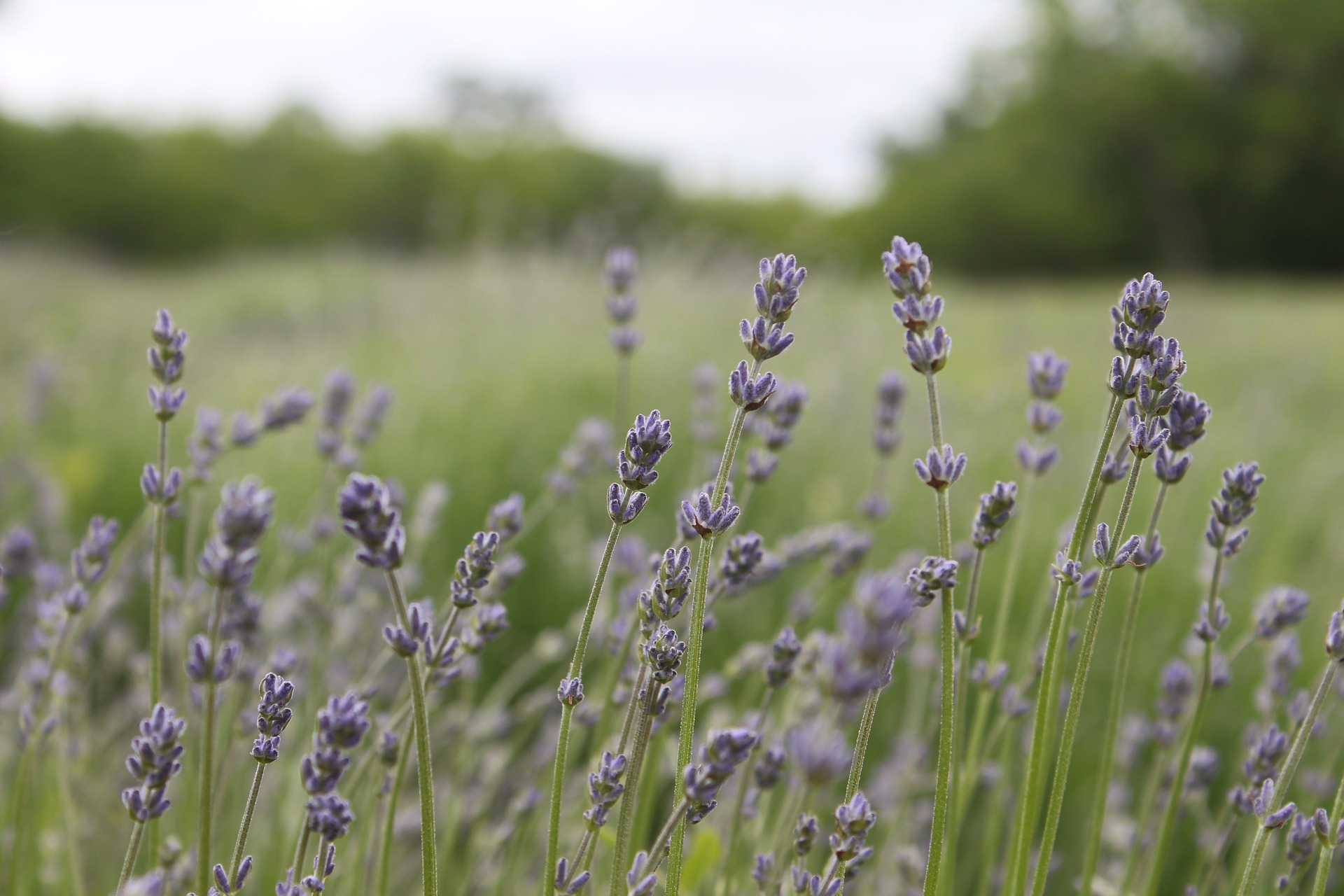
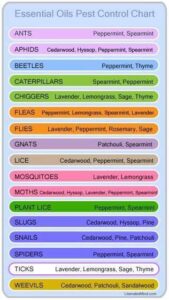
Add about 20 drops to a 500ml spray bottle of water. Or add a few drops to an oil burner. I also like to mix a few drop in water and rub into my furniture from time to time. You can also get citronella and neem incense sticks for relief from mozzies
(click on image to enlarge)
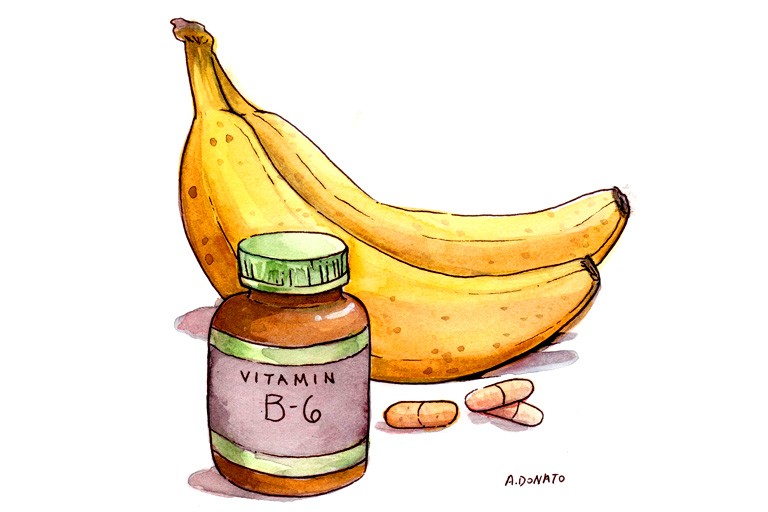
B6 seems to be in so many supplements now. It’s needed for proper dreaming, digestion, hormones, mood and so many other things. Why are so many of deficient in this B vitamin and how do we get out levels up?
A mild deficiency of vitamin B6 is common in Australia, and without sufficient levels your health can really be affected, for the worse. Vitamin B6 absorbs in the digestive tract so if you’re suffering with gut problems then chances are you wont be absorbing it.
[private]With low levels of Vitamin B6 you may be suffering with symptoms of PMT like as breast tenderness, fluid retention, irritability and fatigue. A deficiency will also lead to depression or anxiety, anaemia (low amounts of healthy red blood cells), a compromised immune function and/or poor protein metabolism.
Vitamin B6 or pyridoxine affects our mood as it’s involved in the process of making serotonin and norepinephrine, which are chemicals that transmit signals in the brain.
Vitamin B6 deficiency in adults may also cause other health problems affecting the nerves, skin, mucous membranes, and circulatory system. In children, the central nervous system is also affected.
A deficiency can occur in people with an overactive thyroid, problems with absorbing nutrients, kidney failure complications, alcoholism, liver scarring, and heart failure, as well as those taking certain medications.
Another reason for a deficiency is a condition called Pyroluria. This is a genetically determined chemical imbalance involving a problem with hemoglobin synthesis. Hemoglobin is the protein that holds iron in the red blood cell. Individuals with this disorder produce too much of a byproduct of hemoglobin synthesis called ‘kryptopyrrole’ (KP). Kryptopyrrole binds to Vitamin B6 and Zinc and makes them unavailable for their important roles as co-factors in enzymes and metabolism.
Vitamin B6 and zinc – when bound to kryptopyrrole – are removed from the bloodstream and excreted into the urine as ‘pyrroles’. Omega-6 fatty acid (Arachidonic acid) also becomes deficient. Symptoms of zinc and/or B6 deficiency include poor stress control, nervousness, anxiety, mood swings, severe inner tension, episodic anger (an explosive temper), poor short-term memory and depression. The ability to efficiently create serotonin (a neurotransmitter that reduces anxiety and depression) is diminished.
In addition, those with Pyroluria often have frequent infections and are often identified by their inability to tan, poor dream recall, abnormal fat distribution, and sensitivity to light and sound. Pyroluria is diagnosed using a urine test, checking for abnormal pyroles in the urine. It’s often referred to as ‘the mauve factor’.
 Sources of vitamin B6
The richest sources of vitamin B6 include legumes, fish, beef liver and other organ meats, potatoes and other starchy vegetables, and fruit (other than citrus). A supplement may be necessary if you’re levels are very low. Be sure to get a whole food, non synthetic supplement like Lifestream’s ‘Natural B Complex’.
Table 1: Levels of Vitamin B6 per 100mg serve
| Food | Milligrams (mg) per serving |
Percent (DV) daily value |
| Sunflower Seeds | 1.35 | 67 |
| Pistachios | 1.12 | 56 |
| Chickpeas | 1.1 | 55 |
| Dried prunes | 0.75 | 37 |
| Ground beef | 0.68 | 34 |
| Quinoa | 0.5 | 25 |
| Potatoes | 0.4 | 20 |
| Millet | 0.5 | 20 |
| Bananas | 0.37 | 18 |
| Chicken breast, | 0.5 | 15 |
| Avocado | 0.29 | 14 |
| Bulgur (cracked wheat) | 0.2 | 10 |
| Spinach | 0.2 | 10 |
Table 2: Recommended Dietary Allowances (RDAs) for Vitamin B6
| Age | Male | Female | Pregnancy | Lactation |
| Birth to 6 months | 0.1 mg* | 0.1 mg* | ||
| 7–12 months | 0.3 mg* | 0.3 mg* | ||
| 1–3 years | 0.5 mg | 0.5 mg | ||
| 4–8 years | 0.6 mg | 0.6 mg | ||
| 9–13 years | 1.0 mg | 1.0 mg | ||
| 14–18 years | 1.3 mg | 1.2 mg | 1.9 mg | 2.0 mg |
| 19–50 years | 1.3 mg | 1.3 mg | 1.9 mg | 2.0 mg |
| 51+ years | 1.7 mg | 1.5 mg |
Conclusion
We now know that those of us with the lowest levels of vitamin B6 in their blood have the highest levels of chronic inflammation, and those with the most vitamin B6 are also the least likely to have indicators of inflammation. So if you’ve been trying to correct a health issue for some time, and with no luck, Vitamin B6 just might be the answer to the puzzle.
[/private]
Any vegetarian will tell you how often they’re asked where they get their iron. In fact it used to be my most frequently asked question. Until very recently most of us believed to get enough from our diet we needed to eat meat, and if we were anaemic – it needed to be increased. There was no other way to do it, apart from taking a supplement. Rarely was absorption (increased or decreased) discussed as a possible issue. How far we have come.
The average vegetarian diet is able to supply twice the minimum daily requirements of iron—it also supplies the body with three times the daily requirement of vitamin C, needed for the iron to absorb. Studies of the iron content in food show that vegetables, fruit and nuts are much higher in usable iron than beef. So you see, you needn’t be a meat eater to get your iron.
The body is unable to manufacture iron therefore the body’s iron needs must be fully supplied by the food we eat.
There are two types of dietary iron: heme iron and non-heme iron. Heme iron is found only in meat, fish and poultry, while non-heme iron is found mostly in fruits, vegetables, dried legumes and lentils, nuts and grains.
While iron is better absorbed from heme (meat) sources, the body can better regulate the absorption of non-heme (plant) iron, causing less damage to the body.
Many people think that only women suffer from an iron deficiency, and usually only after menstruation, and that the only symptom of a deficiency is fatigue. Iron is important for so many other reasons – digestion, immunity, growth and mental stability. Iron is also important in transporting oxygen in the blood and in the muscles.
Absorption
Knowing what foods inhibit and aid iron absorption can help keep the body functioning efficiently.
- In general, you absorb 10-15% of the iron from foods.
- Vitamin C foods such as citrus fruits, dark green leafy vegetables, melons, potatoes, tomatoes and strawberries improve the absorption of non-heme iron by as much as 85%.
- Substances like tannins, oxalates and polyphenols found in tea and coffee can reduce the absorption of non-heme iron by up to 65%. Peppermint tea, vervain, lime flower, chamomile and most other herbal teas contain polyphenols.
- Cocoa and cacao can inhibit iron absorption by up to 90 percent in the body.
- Black tea reduces absorption more than green tea and coffee.
- Calcium, polyphenols, and phytates found in legumes, whole grains, and chocolate can reduce absorption of non-heme iron.
- Oxalic acid found in spinach, kale, beets, nuts, chocolate, wheat bran, rhubarb, strawberries and herbs such as oregano, basil and parsley, are compounds that impair the absorption of non-heme iron.
- Eggs contain phosvitin, a protein compound that binds iron molecules together and prevents the body from absorbing iron from foods. According to the Iron Disorders Institute, one boiled egg can reduce iron absorption by as much as 28 percent.
- Cow’s milk can prevent your body from absorbing iron. Cow’s milk, and other foods high in calcium, are the only known substance to inhibit absorption of both non-heme and heme iron. One cup of cow’s milk contains approximately 300 mg of calcium. Calcium has little or no effect on iron absorption when less than 50 mg is ingested
- Phenolic acid can also be found in apples, peppermint and some herbal teas, spices, soy, walnuts, blackberries, raspberries and blueberries. Try to avoid regularly consuming these foods two hours prior to, or following, your main iron-rich meal.
- According to the Iron Disorders Institute, phytates can reduce iron absorption from food by approximately 50 to 65 percent. Phytates can be found in tea and coffee, almonds, sesame, dried legumes and lentils, peas and whole grains. Even low levels of phytates have a strong inhibitory effect on your body’s ability to absorb iron from foods.
Why do we become deficient?
Iron deficiency anaemia occurs when red blood cells do not contain an adequate amount of iron due to pregnancy, blood loss, a diet low in iron or poor absorption of iron by the body. Apart from anaemia, most commonly a deficiency is due to a woman’s heavy periods, poor digestion, too much coffee and tea, a long-term illness, excessive exercise, heavy sweating, long-term use of antacids, cancer, candida, chronic herpes, Chrone’s disease and ulcerative colitis, rheumatoid arthritis and parasites.
Symptoms of Deficiency
There is a long list of physical symptoms including –
- anaemia
- brittle bones
- brittle hair
- digestive trouble
- dry eyes
- dry skin
- fatigue
- feeling faint
- hair loss
- headaches
- trouble swallowing
- irregular, very light or absent periods
- lower back pain
- mental slowness
- mouth ulcers and inflammation
- muscle spasms
- nails with long ridges or spoon-shaped nails
- night sweats
- pale complexion
- premature greying
- spots in your vision
- trembling arms or hands
- weak tendons
- weight gain
- Emotional symptoms include nervousness, depression, irritability and anxiety.
The Australian recommended daily allowances (RDA’s) are:
| Age | RDA | |
| Men | 19+ | 7 mg/day |
| Women | 19~54 |
12–16 mg/day |
| Women | 54+ | 5–7 mg/day |
| Pregnant | 22–36 mg/day | |
| Children | 1~11 |
6–8 mg/day |
| Children | 12~18 | 10–13 mg/day |
| Food | Per 100 g |
| Dulse, (sea vegetable) | 50 mg |
| Spirulina | 28.5mg |
| Clam, mussels, oysters | 28mg |
| Liver | 23mg |
| Dark Chocolate | 17mg |
| Sesame seeds | 14.6 mg |
| Amaranth | 13 mg |
| Arame (Sea vegetable) | 12 mg |
| Tahini | 9 mg |
| Lima bean | 7.8 |
| Pistachios | 7.3 |
| Dried peaches | 6.3mg |
| Chick peas | 6.2 mg |
| Nuts | 6.1mg |
| Lamb | 6.0mg |
| Spinach and silver beet | 3.6mg |
| Tofu | 2.7 |
| Beef | 2–3 mg |
| Kale | 1.5 mg |
| Pumpkin – 0.8mg |
As you can see it’s possible to get enough iron on a plant based diet. All it takes is a little knowledge and mindfulness.
Janella Purcell 2015


[/private]
Many people may assume that the calcium that we absorb comes from dairy alone, but this is not the case.
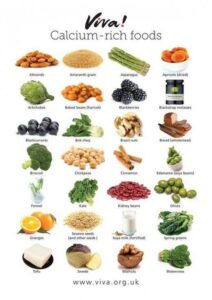
Below are dairy-free, plant-based products that are packed with Calcium!
I am a huge fan of herbs and spices. It was one of the main reasons I decided to study Naturopathy and Herbalism, naturally. As a young girl I used to experiment with growing different herbs at home in little plastic tubs. I would get cuttings from my relatives or the nursery. With Dad being a ‘green thumb’, he showed me how best to look after them then I did the rest. Drying and storing as tea, freezing in owe cube trays, using fresh with hot water for different medicinal uses, or using as a poultice on wounds. I loved it. I feel very connected with the earth and always have, and l have a special affinity with herbs and spices.
When I wasn’t at work at my part time jobs over the years, and mostly in hospitality, I was at home either in the kitchen or the garden. They went hand in hand for me. What I grew I used in the kitchen. Many times I had never herd of a plant before reading of it in books like ‘Health From God’s Garden ‘ by Maria Treben, or ‘Back to Eden’ Jethro Kloss. I was so inspired by what these plants were capable of, and how on earth did we first realised what each of them was good for?
My experimentation continues and I never fail to be amazed by what the ‘doctrine of signatures’ tells us about each plant simply by it’s appearance.
1. Tulsi (Holy Basil) Ocimum tenuiflorum
The Indian herbal plant Tulsi has a lot of significance in the Hindu religion. The term “Tulsi” is used in the context of one who is absolutely incomparable. Tulsi has a lot of reverence for the Hindus. In fact, people worship Tulsi everyday in the morning as well as evening time. Most homes will have a plant and it’s considered sacred, not least because of its many medicinal qualities.

I am now using this exceptional herb in my clinic – as it has only very recently become available as a tincture – with wonderful results. I wonder why Tulsi isn’t more popular in the West as its medicinal properties are incredible, and varied. Tulsi is rejuvenating, immune boosting, helps restore our bodies negative reaction to stress, removes fluoride from water, has a wonderful effect on the adrenal glands and cardiovascular and nervous system and is anti fungal, so is a great herb to treat a candida overgrowth.
Traditionally, many an Indian Grandma relied on a tea made from the leaves of Holy Basil to relieve indigestion and headaches. Now the firsts test are showing it might also inhibit breast cancer. A tea made of Holy Basil shrunk tumours by reducing their blood supply, and stopping their spread. To aid in breast cancer treatment, drink the tea daily. (It must be ‘Holy Basil’, not other varieties of basil.) Pour 2 cups boiling water over 10 to 15 fresh holy basil leaves and steep 5 minutes Remove the leaves before consuming. Or get it as a liquid tincture.
If you grow it yourself at home, add the fresh leaves to your salads, stir fry’s, curry and smoothies. You probably won’t find Tulsi seeds or plants at your local nursery so ask them to order it for you, or look on-line. You’ll find it in health food stores as a supplement, tea or liquid tincture.
2. Saffron Crocus sativus
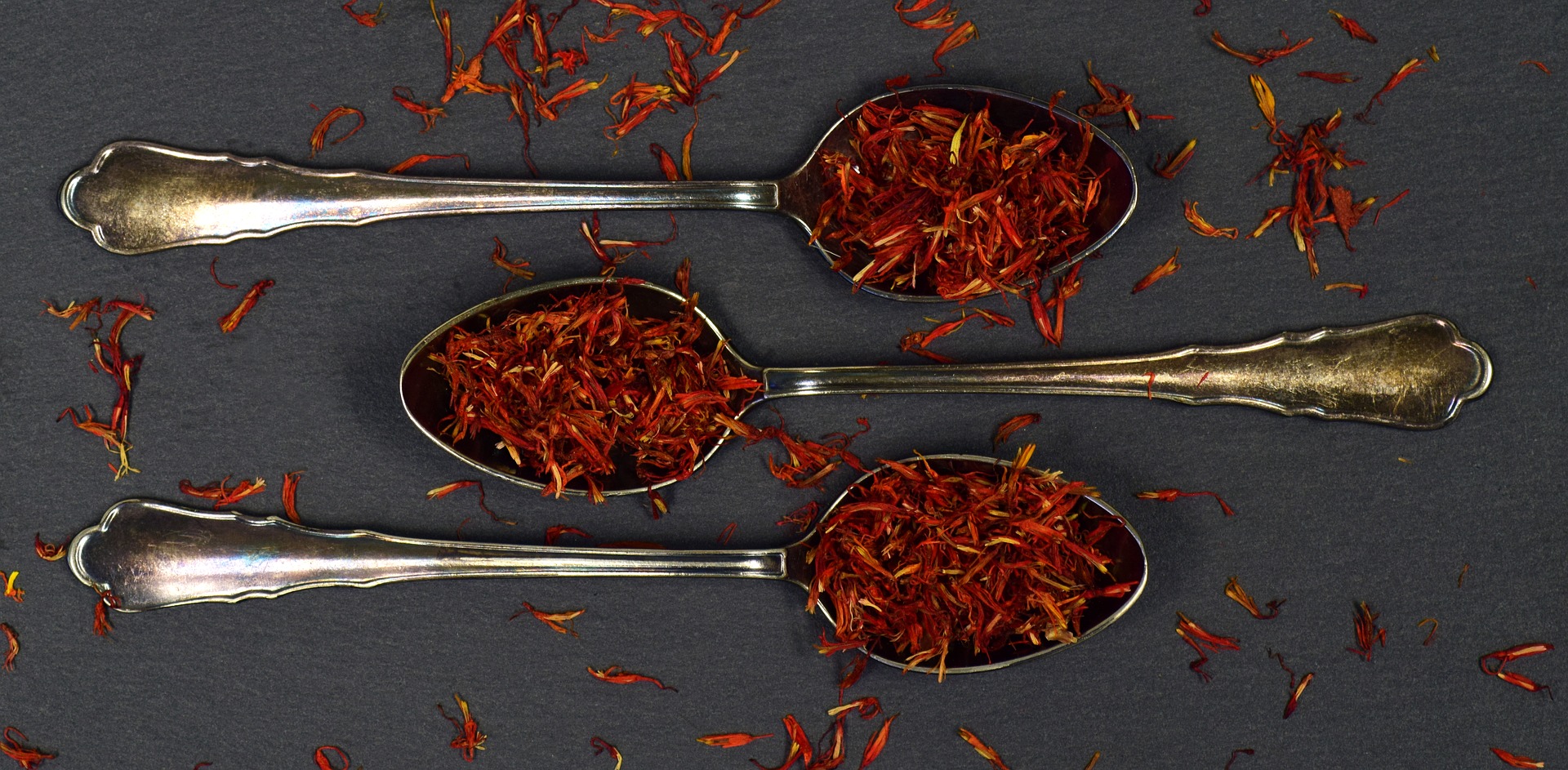
Saffron is a spice derived from the flower of Crocus sativus, commonly known as the “saffron crocus”. Saffron crocus grows to 20–30 cm and bears up to four blossoms, each with three crimson stigmas (threads), and it takes over 150,000 blossoms to produce a kilo of saffron spice. The amount of labor involved in harvesting, which saffron insists on being done by hand – is why it is considered one of the world’s most expensive spices. The plants beauty is striking not only for its colour but also its shape and style. Saffrons use as a medicine has been documented since antiquity.
The important antioxidants saffron contains can help protect our bodies from oxidant-induced stress, cancers, infections and they also act as immune modulators. It’s been known to have many therapeutic applications in traditional medicines across the world as it acts as an antiseptic, antidepressant, anti-oxidant, digestive aid and anti-convulsant.
Saffron has traditionally been used for respiratory complaints such as coughs, emphysema and asthma and also for loosening phlegm. Saffron is effective when treating insomnia, gas, depression, Alzheimer’s disease, fright, shock, pain, heartburn, and dry skin. It’s also a good liver tonic, is used to treat diabetes, to help reduce the withdrawal from drugs and alcohol, and a good cardio tonic.
Women have used saffron for centuries to ease menstrual cramps and PMS, while men use it to treat premature ejaculation and infertility. For this reason saffron has the reputation of being an aphrodisiac. To use at home, make the dried stigmas into a tea and drink daily or you can get as a liquid tonic from your health food store. Add the threads to your cooking to impart a sexy and unique flavor.
3. Turmeric Curcuma longa
Turmeric is part of the ginger family, Zingiberaceae. It is native in southwest India, and needs temperatures between 20 and 30°C and a considerable amount of annual rainfall to thrive. Turmeric has a peppery, warm and bitter flavor and a mild fragrance slightly reminiscent of orange and ginger, and while it is best known as one of the ingredients used to make curry, it’s looking like this golden spice may be a whole lot more than a pretty colour. For starters, it may prevent colon cancer and Alzheimer’s disease. It’s a good general immune system booster due to its high antioxidant capacity – mopping up nasty free radicals. In India where turmeric is widely used, the prevalence of four common U.S. cancers – colon, breast, prostate and lung – is 10 times lower. Thanks to it’s strong anti-inflammatory properties and its positive effect on the liver, turmeric can help calm digestive trouble and get your stomach feeling good again. Mix a teaspoon of dried, or a tablespoon of freshly grated turmeric into about 30 mls or so of warm water. Add a little sweetener like raw honey or maple syrup if you like. Grow it yourself in the more tropical climates, or buy the rhizome fresh from your farmers market or green grocer, or take as a capsule. Turmeric is used to make up Jamu Asih Kinasih, the Indonesian love potion that is said to bring a whole new meaning to the words love making.

4. Cumin seeds Cuminum cyminum
We’re now realising that these little seeds often seen in Middle Eastern, Indian and Mexican recipes are more than just tasty. They are a good source of iron, which is essential for energy production and metabolism. Cumin is also a key mineral in keeping our immune system healthy. The benefits to digestion have long been known but only recently being scientifically proven.
Research is now also showing that cumin may stimulate the secretion of pancreatic enzymes compounds necessary for proper digestion and nutrient assimilation.
Cumin seeds may also have anti-carcinogenic properties, especially liver and stomach. This may be due to cumin’s potent free- radical scavenging abilities. It may also increase the livers detoxification enzymes, which in itself means it will have many ways to heals as the more effective our liver is at detoxing, the healthier we will be. Use the organic seeds or powder in your cooking by adding them to your dips, roast veggies and slow cooked meals like curry, soups and casseroles.
5. Cinnamon Cinnamomum cassia
Most people are aware of cinnamon’s role adorning a donut or French toast, but its uses stretch far beyond this. (Powdered cinnamon is often mixed with white sugar, ground walnut shells, galanga rhizome.) Cinnamon is recommended for those with type 2 diabetes as studies have shown that taking cinnamon extract daily successfully reduced blood sugar by about 10% and it also reduces heart related risks. It’s now looking like it may also lower bad cholesterol by 13% and triglycerides by 23%.
To control blood sugar, take 1g capsules of standardized cinnamon extract daily, or 1 to 6 g daily when treating high cholesterol. Apart from this it has a good effect on the stomach and nervous system, and capable of drying up Mother’s milk. The tincture is useful for heavy periods, or indeed absent periods. It has primarily been used in the West to assist and flavour other drugs, and being helpful in diarrhoea, nausea, vomiting, and to relieve flatulence.
6. Rosemary Rosmarinus officinalis
This gorgeous smelling herb likes little attention in the garden. Giving it lots of love is not the answer here. Ignore it and it will thrive. It likes dry, well-drained soil, which is why you see it growing wild on cliffs in the Mediterranean. Its medicinal uses are many and varied. The two main ingredients that give this herb its therapeutic qualities are caffeic acid and rosemarinic acid – both being potent antioxidants and anti-inflammatory agents. These two acids reduce the inflammation associated with asthma, and improve liver function and heart health. It’s also a rich source of Vitamin E, another potent antioxidant that contributes to free radical fighting powers, and again improving heart health.
It helps prevent the brain aging and is now proving an important defense against cancer as research has found that rosemary extract can significantly help to protect DNA against free radical damage. By blocking estrogen, rosemary helps prevent breast cancer. Its other benefits are in reducing age-related skin damage, and acting as a mild diuretic to help reduce swelling. Rosemary is also thought to stimulate our adrenal glands to provide energy while lifting our mood and relieving stress. So as you can see, it’s more than an accompaniment to your baked spuds. Take as a capsule, liquid herb from an herbalist or drink the fresh leaves in a tea.
7. Ginger Zingiber officinale
Ginger is your go-to spice to prevent nausea, no matter the cause, be it pregnancy, motion sickness, food intolerances, anxiety or chemotherapy. A powerful antioxidant, ginger works by blocking the effects of serotonin, a chemical produced by both the brain and stomach when you’re nauseated. It also stops the production of free radicals, another reason we might feel nauseous. It also can decrease your blood pressure if it’s too high, and is useful for preventing cancer and arthritic pain thanks to its anti-inflammatory properties. These same anti-inflammatory powers help powdered ginger kill ovarian cancer cells as well as, or better than, traditional chemotherapy, at least in the test tube. Ginger helps to regulate blood flow, which may lower blood pressure and decrease blot clots during menstruation. Ginger extract has been proven to significantly reduce the pain associated with osteoarthritis of the knee. It’s easy to include fresh ginger in your diet. Simply grate it in with your onions and garlic when you’re making soups, stir-fries, curry or dahl, or put it in your smoothie with turmeric and add it to your tahini dressing and hummus, pretty much anything. For a therapeutic dose take capsules from your health food store or the liquid extract from an herbalist or Naturopath.
8. Sage Salvia officinalis
Sage is one of my favourite herbs, and for so many reasons. It’s anti-hydrotic, which means it’s a very effective treatment when dealing with menopausal hot flushes or excessive sweating. Try drinking the tea or get the liquid extract for more severe flushing. To whiten your teeth, pick a fresh leaf and rub it over your teeth a few times each week. It also helps to regulate your menstrual cycle, is a natural deodorant, sore throat tonic (when gargled), antiseptic and astringent. It’s wonderful to use sage as a healing scalp tonic (make it into a tea first), it calms the nerves, aids in healing burns, reduces nausea and flatulence, improves liver issues, kidney stones, gallstones, mouth and gum lesions and it’s a nice anti-depressant. When mixed with rosemary – it can darken graying hair. Make a tea and rinse though your hair and leave it on, a few times a week. Raw sage has traditionally been used to treat warts, skin cancers and tumors. Yes, a pretty fabulous herb.
Dried sage has played an intricate part in ancient, as well as current ceremonies. Many Native American Indians, because of its effect on purifying energy, hold sage sacred. It heals by bringing the patient back into ‘balance’ by cleansing the body and mind of negative spirits and impurities. When burnt, the smoldering smoke offers various remedies for many physical, emotional, spiritual, or mental imbalances. I use white sage to regularly ‘smudge’ my home and clinics. You’ll find this at some health food stores, or easily on line.
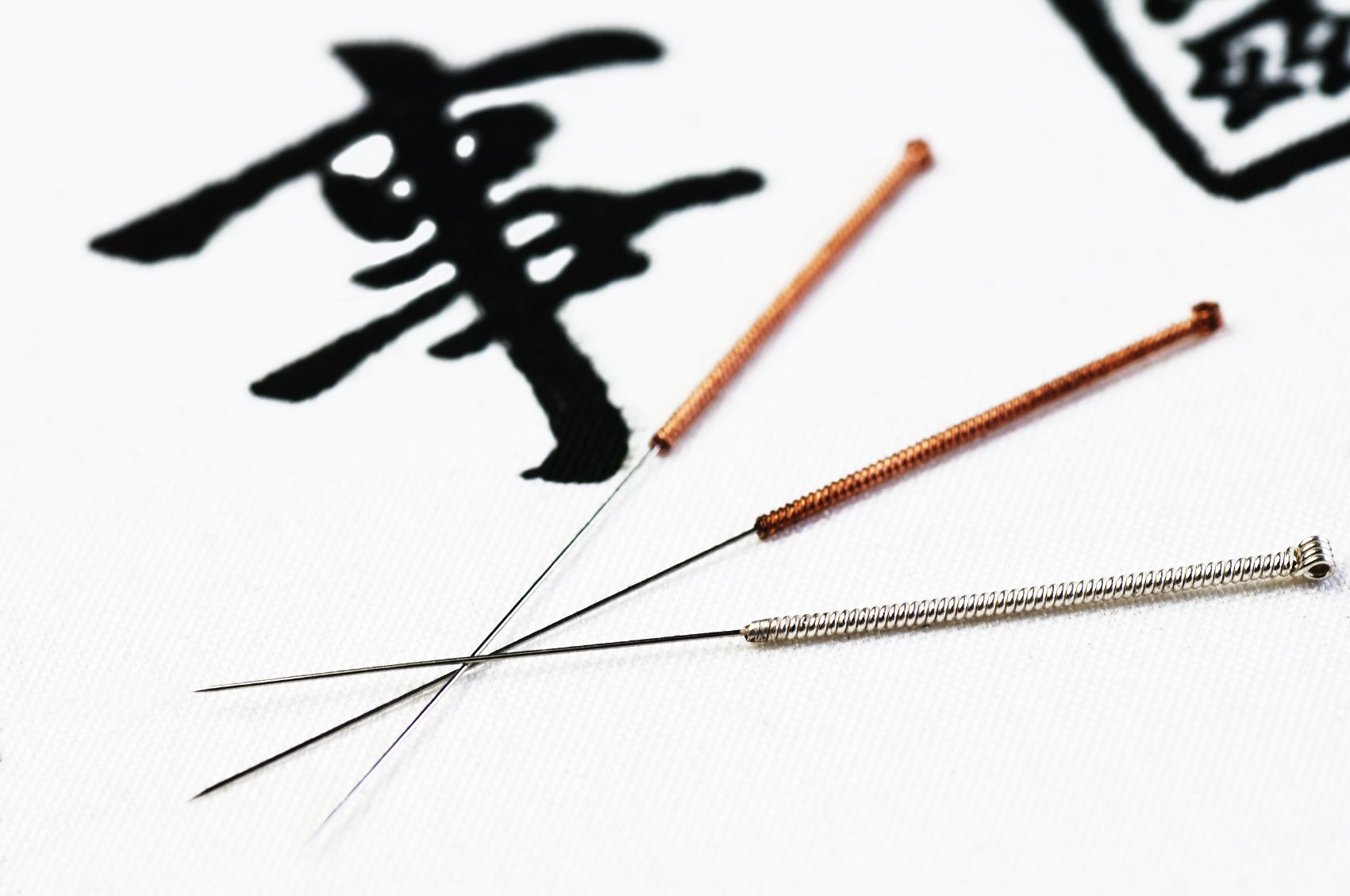
Eastern Medicine to the Rescue – a remedy for true and deep healing. By Janella Purcell
As many of you know, my digestion is hyper- sensitive and lets me know if anything at all is slightly off in my life. It’s like having a noisy guard dog. Over the years western medical practitioners have gone from saying there’s no such thing as IBS – it’s all in your head (at least that part isn’t far off as we now know that there is the same tissue in both the brain and gut, so what goes on in one will affect the other).

[private]So, in an attempt to explain gut complaints to patients, western health practitioners put a name on symptoms to diagnose. This is as much to do with patients needing one as it has practitioners need to put things into a neat box. ‘There diagnosed’, now let’s make a drug for it. Eastern practitioners, and many good alternative practitioners don’t do this; instead they go deeper, looking for the underlying cause. They’ll class your condition as damp/dry, hot/cold or yin/yang or windy, and then either deficient or in excess. They looks at what is actually going on in your body and in many cases spiritually.
First up in the long line of names for an unhappy gut was IBS, then Leaky Gut and so on. Then there were food intolerances and allergies to explain the problem, but none of these get to the underlying problem. What on earth is going wrong with our guts? Why is the gut ‘leaking’ or ‘irritable’? Or past- irritable and onto ‘mighty angry’? Yes we now experiment with our food until its’ almost recognizable, and yes the synthetic form of folate – folic acid – added to our wheat (unless organic and/or spelt) is causing many of us grief, and yes we probably eat too many processed grains, processed dairy and sugar, and we eat too much in general, and at the wrong time of the day – but assuming you don’t do any of these things, and most of my clients and many others I know don’t, then why, why, why are some of us having trouble digesting pretty much anything?
Yes you can take out fructose, and yes that will help reduce the symptoms, avoiding grains will also help as they tend to ferment in a ‘stagnant and damp’ gut causing myriad of problems; Alcohol? Go head and get rid of it, if it’s negatively affecting you. Paleo? Not really, but it might help reduce symptoms because you’re cutting out grains and dairy, but want I want to know is why even after doing all of this some people guts still aren’t happy. Parasite? Maybe, so treat that and if it’s not that then naturally symptoms will hang around.
As I’ve Blogged about recently, a variation in the MTHFR gene (see my November, 2014) is responsible for a lot of issues, especially gut, heart and mood related. It’ll stop our liver detoxing properly, and decrease digestion – this will tend to make one gain weight and loose patience. The there’s Pyrrole Disorder – when we can’t hold onto zinc and B6 – this causes mood disorders, and all of the close to 200 actions that zinc is needed for – good hair, skin, nails, immunity, plus digestive and reproductive health are 2 of the biggies.
Personally I have both of these variations in my genes (MTFHR and Pyrrole) so last year I decided to look further into things and get tested for everything. I was deficient in a few things despite my great diet, and only since the MTFHR gene mutation was ‘turned on’. My blood results have always been perfectly consistent throughout my life, until now. So now I was taking over 10 supplements a couple of times a day, all whole food or from a compounding chemist, but still no real change. Boring! After 3 months of taking double strength zinc for example, my zinc levels had halved. Yes that’s right folks. (Insert tears of frustration here.) Whyyyyyyy?
Next I had my stools tested by a functional pathology lab’ in Melbourne. They go through everything in this test. All was great apart from candida (no surprise,) and being a bit low in the good bacteria ‘bifidus’. Naturally I got myself a bottle. (11 supplements now, twice a day. Note to selves – taking any old probiotic won’t always help. You need to know which strand you’re lacking.)
Next step – I had every single one of my bloody genes tested, via a place in America called ‘23amdMe’. Warning – you almost need to hold a PhD in genetics to decipher it. It told me that yes, I had a variation in the MTHFR gene, but it also showed me that I can’t handle sulphur (no surprise there, so many of us can’t) nor can my body deal with MSG (again no surprise), and it also had a hard time with any preservatives, chemicals, anything at all artificial. (It certainly explains my disdain for perfume and aftershave, toxic cleaning product or body care, or even the smell of clothes that have been washed in OMO.) So I know all of this, but seeing it on paper is werrrrriiidddd. Ones life explained by ones genes? I do believe ‘we are ore than a sum of our parts’, and this is where epi-genetics comes into play. Check out Prof. Bruce Lipton’s work if you want to know more about this.)
I also have a variation on the gene that detoxes alcohol. Borrrrring! I know this as I’ve always gotten serious, and I felt undeserving hangovers, which is why I drink only sulphur-free red wine and clean vodka with fresh lime and mineral water made using my Soda Stream and alkaline water. But if occasionally I throw caution to the wind, forget who I am and think I am ‘normal’ for a moment, then my liver punishes my – for a day or two, by ACHING. Plus I’m starving. A bad combo’. So, the reckless abandon doesn’t happen often.
I find it fascinating that a quote I came across whilst studying Naturopathy some 20 years ago rings very true – ‘anatomy is destiny’. My life has ben shaped by the variations in my genetic structure. Those little genes of mine (all of ours) had plans for me all along.
Next, in February, as those who follow me on social media will know, I shipped myself off to Bali for my annual 10 day cleanse. Nothing but coconut water and veggie juice, loads of colonics and massages. Bed by 8pm and waking at 4pm ish – for 10 days. I love cleansing as my digestion gets a break and so do I. I experience no negative effects on an intense detox’ like this; no headaches, fatigue, insomnia, irritability, nausea – I just feel great. But this time was different; this time my liver ached sooo much I was almost doubled over the whole time. This particular loud shouting from the noisy guard dog started on day 2 or 3. By day 7 I realized it wasn’t going away so I found an acupuncturist and off I walked through Ubud. And didn’t I get lucky – my practitioner was/is Russian/Dutch and an experienced TCM (Traditional Chinese Medicine) practitioner as well as an Ayurvedic doctor who has written a book or two on Food as Medicine. Hello my new best friend. (I imagine a few of you are wondering why I don’t treat myself. I do self- diagnose and treat, to the point where healing ceases. It’s not a great idea to treat oneself; there are blocks and shadows everywhere. All that stuff we’ve shoved down nice and deep tends to hide from us. As that old saying goes – the doctor who treats himself has a fool for a patient.)
My new best friend ‘got’ me in a few minutes, if not seconds – as a good healer will do. ‘Earth mother, caretaker, spleen, liver, adrenal, fluid retention, ‘over-achiever’ – basically. The weight I put on last year is all fluid, and doesn’t it feel that way? Grose! And it’s mostly on my torso. Lovely. Her advise to me was to take some time off, and take some ‘drying’ herbs to clean up the fluid. Oh btw, the liver pain – our organs don’t just work on the physical, they also deal with many levels of our being. So the liver pain came after it had no work to do with toxins, fats or alcohol, so it went deeper and looked around for any other crap in there that needed to be detoxed out. That my friends, was anger and resentment being let go of. No wonder it was so painful.
It’s a good idea to get some acupuncture whilst fasting, to help the liver do its work. Why had it never happened before? I think for a couple of reasons. 1. The MTHFR gene variation has now been turned on and giving my liver a punishing, 2. I have been fasting for many years and finally now we’re getting to the good stuff – the emotional body.
As it were, since Xmas I have been trying to get my head around taking some time off, but something in me (habit?) was making it very hard to do so. I guess this disguises self-worth issues, letting people down, fear, and control. It can’t be because I don’t know how to fill my days without a computer or iPhone attached to my being. There’s swimming/floating in crystal clear water holes with rapids and rope swings, lighthouse runs and ocean swims, lunch at gorgeous, organic restaurants in and around Byron, meditation, yoga, family, friends, reading, love, sewing, pickling, fermenting, sprouting, gardening – and that’s in one day. Ha.
Side note – at the same time I was trying to slow down, I enrolled in a course to study MTHFR and become a registered practitioner, with the expert in this field, Dr. Ben Lynch, in America. I wrote about this in a previous Blog, and as I started learning more and more and more about this gene and its affects, my mind was doing gymnastics – again, and I knew I probably shouldn’t be stuffing more info’ into my brain without first giving it a little holiday. Making peace with my desire to learn and share information – particularly about the MTHFR gene at this time, as I really do believe it is causing many of us so much grief – and slowing down, was really difficult.
I’d set the intention for my daily meditations to help me release whatever it was preventing me from saying ‘no’, or at least ‘perhaps later’ a bit more of the time, just until my body is completely happy again. On a practical level, I really resent (liver) having all of those beautiful clothes in my cupboard and still having nothing to wear coz none of it fits. It’s just annoying and a waste of time trying on outfits that once looked great, now not go anywhere near that. Horrible, as many of you I’m sure have experienced so would understand. It’s also embarrassing on an ego level as I’m the whole- foods- health- girl and I should definitely be perfectly well, apparently. As I’ve written about before – those of us who feel the need to save the world, to be of service to others, aren’t usually in the best of health, despite every attempt. That whole fight or flight thing messes us up.
Then something shifted. Recently many of you would remember I did some cooking classes on a cruise, (I took My Mother with me), and then I went straight onto Bali for the 10 day cleanse. I came back home and didn’t really want to do anything more than I had to. My mojo was going through a change of life. OMG! I kept feeling as if I’d lost something. Well, I had, and I needed that to happen actually; in fact, I’d been praying for it to happen – for a while. Now that this change in pace had arrived, the hardest thing was accepting that it was only going to be for a while and that I wasn’t going to drop out of society and my wonderful life altogether, forever. What was I afraid of, becoming irrelevant? My respected elders and other kin asked me what I like doing the most, or what I needed to do. Keep that going and drop the rest, but the problem is that I LOVE everything I do – the writing, social media, seeing clients in my clinic, touring, consulting, etc. So that wasn’t going to help. This is the whole issue – ‘the spirit is willing but the flesh is weak’.
So I swung, like someone with so much Libran in them tends to do. Some of you may have noticed this by the lack of Facebook-ing, and the lateness of these Blogs. Some days (maybe 1) I didn’t even look at my computer, really. I needed to get a bit of discipline around this anyway. Other days I looked only once, and never after 8pm. It was really hard at first, (habit again), but then I had swung so far left (yin) that the thought of extending my energy out at all (yang) wasn’t pleasing me. I examined whether or not this could be a symptom of adrenal exhaustion, but came to the conclusion that no it wasn’t, as I was feeling really gooooooood. ‘Trust the vibes you get, energy doesn’t lie’. The best I’d felt in a year, maybe 18 months. No gut pain, no symptoms – just a very happy body and mind. Everything was flowing nicely, my health thus everything were great again.
I feel like something took over me, my higher self perhaps, or was it my maternal grandma, my guardian angel – because it was as if it happened overnight. (Clearly it didn’t though.) I was now saying ‘yes’ to offers of going for a swim in the morning. I was saying ‘yes’ a lot more to social things, and ‘no’ to anything not serving me, and the guilt of not ‘working’ was subsiding. (At the same time, along came an opportunity for a pretty big TV gig. In fact, I received the email just as I was telling my 13 year-old God-daughter that I was planning on slowing down a bit. She made the comment that I obviously wasn’t going to consider it then. Hmmm? ‘You’ll say no, won’t you’, she said? After a nightmare or two (literally) about the gig, I decided that it was either the gig, or my health and happiness.)
Then one day a few weeks ago, I received an email from one of the editors of a magazine I write for asking me to write about SIBO (Small Intestinal Bacteria Overgrowth). I’d never heard of it before this, and I do admit that a little part of me thought – ‘Oh here we go again, another shallow diagnosis. On I went to research SIBO. Well, well, well. (If you haven’t heard about it yet, the article will be published next month in Nourish magazine and as usual I‘ll post it on my websites ARTICLE’s page.) As I was researching, I was ticking all the boxes – both for myself, and so many of my clients. All gut stuff. Here’s an excerpt from my article –
SIBO is a chronic bacterial infection of the small intestine (SI). The SI, which connects the stomach to the large intestine (LI), is approximately 7 meters long. Although bacteria are normally present in the entire gastrointestinal tract, relatively few bacteria live in the SI, and the types of bacteria present in the small bowel are different from those in the LI. These bacteria that have moved out of their usual place interfere with how well we absorb and digest food, then go onto damaging the lining of our SI, which leads to ‘leaky gut’. (More specifically ‘leaky SI’.) This happens because the intestinal barrier becomes permeable – allowing large protein molecules to escape into the bloodstream – which is known to have a number of potential complications including immune reactions that cause food allergies or sensitivities, generalized inflammation, and autoimmune diseases.
These displaced pathogenic bacteria can lead to nutritional deficiencies as well as causing poor digestion and absorption. For example, the bacteria will take up certain nutrients such as vitamin B12 and iron, before our own cells have a chance to absorb them. They may also gobble up some of the amino acids, or protein, that we’ve ingested. These wayward bacteria may also decrease fat absorption through their effect on bile acids, leading to deficiencies in fat soluble vitamins like A and D, and fatty stools. They consume food unable to be absorbed due to damage to the SI lining, which creates more bacterial overgrowth – a vicious cycle.
Bacterial overgrowth produces excess quantities of hydrogen and/or methane gas. These gases are not produced by humans but are the metabolic byproducts of fermented carbohydrates by intestinal bacteria. After the bacteria eat our food, they produce gas within our SI, causing flatulence, belching and pain, bloating, constipation, diarrhea or both.
The suggested treatment is a harsh – a very restricted diet, following 2 weeks of living on a shake for two weeks, and not a wholefood shake at that. Basically you need to starve the bacteria. It most likely works but oh dear, what stress we’re puting our bodies under. More stress. How about some kindness for a change?
As enlightening as this all was, I still was asking why? WHY? Did our ancestors have SIBO? This is another set of symptoms, not the cause. I discussed the article I was writing with Phil, the acupuncturist I had started seeing in Byron, and he said SIBO was a ‘damp’ condition which made sense, – so we continued treating the ‘damp’ with needles and herbs, but I KNOW I have to change my thinking to stop creating the internal damp in the first place.
This is where I get to the relevance of my Blog heading – ‘Eastern Medicine’. After the wonderful acupuncture session I had in Bali, after she confirmed that my gut stuff was all about over-doing it for the last 40 years or so, I decided that I needed to find a good Eastern healer close to home. For years my mentor Steve Li had treated me, (see Blog titled Births, Deaths and Beginnings, Jan 2013) until he tragically and suddenly passed a couple of years ago. I believed there was likely to be no one that could take his place and understand the complexity that is my body. (And I still believe this, but I believe he remains with me, directing me from a different place.) I decided to Google, as I hadn’t found the right practitioner for me. At my first session with Phil, a few weeks back now, I quickly realised that whom I had booked my session with was a friend I studied with 20 years ago. Phil was studying TCM whilst I was doing Naturopathy. Relief! Understood! Happiness!
He is working on me in a deeply energetic way – helping me release old beliefs and patterning that I have stored in my body, even though I no longer believe them to be true, or working for me, on any level. He is using visceral manipulation to gently separate my internal organs. (Possibly being stuck together by years of Endometriosis in the past, and inflammation from being in the fight or flight mode for wayyyy toooo long.) And WOW does this type of organ manipulation feel weirdddddd, and incredible, and I feel very vulnerable having someone/ anyone moving the wobbly bits on my tummy around, and gently digging their hands in and making contact with different organs. Whoaaaaa. He’s needling my neck to help release the fluid by working on my lymphatic glands, and also on an old, stagnant, lower back pain I get from time to time. ‘There’s a lot going on in there’ he says. He’s working on a very deep level, and I like it. We’re working on me together.
Basically I am ‘damp’, and this comes from a funky spleen (worry, obsessive thoughts) and my liver is enlarged and overworked (a bit like me). I lie on my left side and literally he manipulates my liver and stomach, moving it to release it. They are very subtle movements, but whoa you can feel things moving on a very deep level. The ‘stuff’ that comes up and then out is fascinating (to me). Things, events, people and feelings I haven’t consciously thought about for years are appearing, and leaving. Good. Get it all out, I don’t want to be storing that stuff anymore. He has also given me very ‘drying’ herbs to help encourage the damp (wobbly bits) to dry up.
On physical level damp may be caused by eating too much fatty food or sugar, eating late at night or just eating too much. It’ll cause sugar and/or carb’ craving, and as we know, spleen-types are over thinkers.
Spleen types such as myself should be eating grains, but many of us get a lot of gas and a feeling of ‘stagnation’ (feeling stuck) when we do – which is somewhat confusing when you’re trying to figure it all out. The Russian healer said I must eat grains, and avoid all raw food. I know this or course, and mostly I don’t. I can eat spelt Mountain Bread occasionally, but a slice of that divine, organic, spelt or kamut sourdough from the Mullum’ Farmers Market gives me sooo much gas that it just isn’t worth it. Damn it.
I have been back from Bali for almost a month now and I have done relatively little for me. I have been swimming, exercising, loving, cooking, going to parties, hanging with my kin, and all the other stuff I mentioned above. My internal speed has gone from 5th gear to 2nd, and guess what – not one bit of pain or discomfort, and the fluid/weight are dropping off. That’s what I meant when I said that Phil and I were working on me together. There is really not a lot of point in changing your diet, taking supplements and herbs, if something is still out of balance. In my case it was the work/play balance, but in yours it may be a dysfunctional relationship, an unhappy or sick child, a nasty boss, living in Gaza or trying to deal with the death of a loved one. Whatever it is, if you’re denying it, (or cant really do anything about it) then rest assured it will show itself sooner or later, and not in a very pretty way.
The moral of this story – stress makes you fat, sad, cranky and sick. Yes, I know we all know this, but do we really ‘know’ this. We complain about feeling bloated, constipated, or nauseous, about our skin, headaches, insomnia, hair, that our jeans don’t fit or about that little extra roll on our tummies or butts, but guess what? More time than not this is because our guts are very unhappy with us, and the only thing to do is, well, stop writing lists, stop multi- tasking, stop being super woman, man or child. It’s not what you do, but the way that you do it. I’m not in any way suggesting becoming a couch potato, but merely changing your attitude towards your schedule.
Society today praises ‘busy’ doesn’t it? When I get asked if I’m as busy as usual, I now reply – I’m trying not to be. People are shocked! I guess many people aren’t as nuts as me, and many of you also, in feeling there’s not enough time in the day. I realise that some people even get bored. Usually men say this as they tend to concentrate on one thing at a time, and if they haven’t quite found that next thing to do, so they’re in between projects, then yes I can see how they’d get bored. But for most women with our endless lists and jobs – never. (A generalization I know.)
I have struggled with my weight all of my life, but especially since puberty – I now know it was when the estrogen kicked in and couldn’t get out of my liver when it needed to. I have given my adrenal glands a hammering by doing too much, even when I’m relaxing my head is writing lists. I really do believe that my emotional disposition is the sole reason for my health issues. That’s it. It can’t be my enviable, organic diet, exercise regime, lack of peace or sleep as I meditate and sleep well, or happiness levels. I run my own day and do as I please, so I can’t blame my boss, Mother, husband or children, so what’s left? Me, that’s it. It’s me that needs to recognize what I’m doing to myself and do something about it because my ‘symptoms’ are just that – ‘symptoms’ of something that is out of balance underlying it all.
I thank symptoms; we all should, as what would happen if we didn’t get them? We’d likely just drop dead one day, as some people do. I often hear people with serious, life threatening diseases say they had no warning of cancer, MS, epilepsy, Parkinson’s or whatever it is they’re dealing with – but then tell me about their 30 years of battling candida, or that huge fungal infection on their leg, or sudden hair loss, chronic constipation, out- of-control sugar cravings, back or period pain etc – all the while thinking this is normal. It’s not. Any symptom, and I mean any symptom is trying to tell you something. You have the option of a) ignoring it, b) going to a doctor to get diagnosed, then taking a synthetic drug to cover up the symptoms, then ignoring it, (kind of like bleaching mould instead of actually getting rid of it. The bleached mould will just keep growing back bigger and stronger as the bleach is a mask, not a cure), or c) you can decide to look at the real reason for your symptoms and work your way through the layers until you get to the bottom of it. It really is detective work, putting together the pieces of a puzzle, peeling off the layers of that ol’ onion. None of us are perfect although from the outside some of us look as if we are. But everyone has a cross to bear, and from what I can see, it’s usually a blessing – particularly if we learn the lesson at ‘symptom stage’ and not wait until it turns into something far more insidious which has gotten used to your body and taken up residence, hesitant to leave as it’s just so comfy.
The only health issue I have is my gut – nothing else. Imagine if I could actually get through this? It will take a complete shedding of the stuff I don’t need (ego) – it’s clearly not working for me anymore, if it ever was. My body has an intelligence that far outweighs my own conscious brain, so yeah I’m gonna listen to it, and yeah I’m going to listen also for the remedy. I always listened in fact, but this latter part I wasn’t so good at, and that’s probably because I knew I was over-doing it. No way was my body going to stop me from my mission to teach the world about ‘food as medicine’ and the relationship between the mind, body and spirit, even if it killed me. (Ha. Not funny.) I feel as though I have achieved what I set out to do, so now it’s time for a little sabbatical whilst my body regains its equilibrium and I make some space in the library that I call my brain. The future ‘books’ and info’ I no doubt will add to my library aren’t going anywhere, I know they’ll wait for me. And my goodness won’t I be ready for them that?
I really am looking forward to this slowing down, and to see what my next mission is. I’ve always had a clear path forward – lists of what I want to achieve for the next year or 30, but now I don’t, (apart from studying genetics and the MTHFR gene, and writing my next book. Gawd, it’s hopeless.). And you know, the funny thing is that however productive I’ve always been, lately I’m even more so. I thought I ‘worked smart’ before, but now – well, it’s amazing what one can do with a goal. Oh dear – there I go again – setting goals, but this time it’s a goal to slow down – mentally, physically, emotionally and spiritually. Still…
What a journey, what an amazing trip. What I’ve learnt about human health over the past year blows me away. The more we know, the more we realize how little we know – rings very true.
Thank you, my thoughtful gut. You’ve taught me so much. Things don’t change overnight, for better or worse – it takes repetition of thought and practice. I know which thought I’ll be choosing in future – ‘I am worthy just as I am’.
Watch this space. I’m as curious as you to see what pot of gold is waiting for me at the other end of this.
In Love and true wellbeing,
Janella
March 19, 2015[/private]
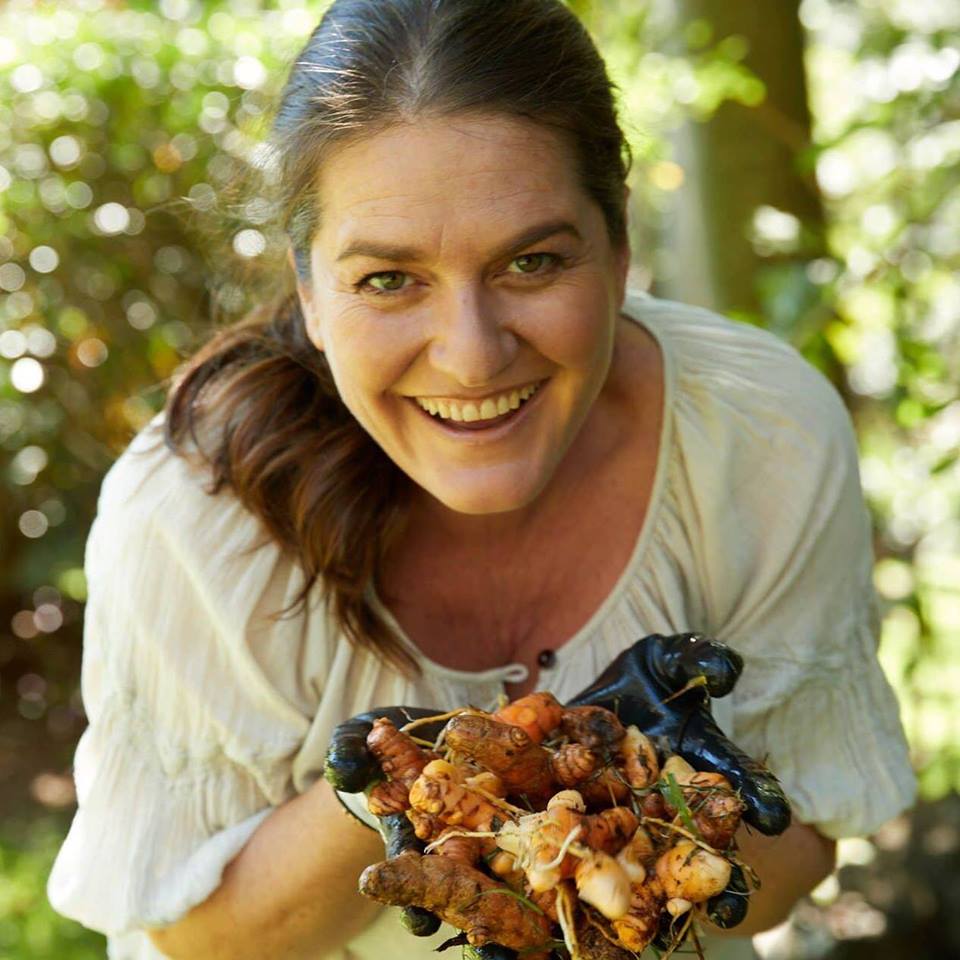
Indo has been influenced by the diets and ancient medical systems of 4 different cultures – Indian, European, Arab and Chinese. They each support – to varying degrees – the theory that proper nutrition is the key to good health. Food, medicine and power of the mind have long bean seen as a single entity.

[private]I’m currently in Ubud, Bail doing my annual 10-day juice fast and cleanse. When I first visited Bali in 1993/4 I was 25 and in need of a break. I still don’t know why I chose Bali, as in those days not many people travelled here, and I certainly knew nothing about Indonesia – not even the currency upon landing. I went alone, without thinking about it too much. I landed in Denpasar with my backpack and hiking boots, a passport, a few clothes, toiletries and a cosi. I left from Bangkok around 6 months later a different girl. My world had been opened up to herbal medicine and learning how to use food as medicine.
During my travels in Bali, I remember locals telling me once you’ve come to Bali you’ll always return – it’s gets under your skin. How right they were. That first trip was life changing for me.
I was always a deep thinker searching for the meaning of life; reading works from different philosophers and healers; devouring spiritual and religious text and anything I could get my hands on regarding food, personality, emotions and human behavior. On this particular trip to Asia, my first of many, I was introduced to Asian herbal medicine and spiritual healing. I was hooked!
I started on a lifetime’s journey of looking deeper into the relationship between the body, health and emotions. I had an inkling that many, if not most of my health issues were stress related, but now I had back-up.
I read lots of books on that trip, and asked the locals lots of questions. Just watching the way they cooked opened up a fabulously exciting, new world to me. New spices, ingredients, techniques, medicinal qualities – my love affair with all things Asian had begun.
I couldn’t get enough of learning about food as medicine. I had already tried many different diets and Western healing methods in an attempt to heal (or even get some relief from) the endometriosis and gut problems that had stayed with me, but nothing really helped for very long.
Upon my return home I started growing all sorts of different medicinal herbs and began using them to make teas, cosmetics and poultices. I read different herbal medicine books by inspiring, female herbalists like Dorothy Hall and devoured classics like Jethro Kloss’ ‘Back To Eden’. I realized also at this time that the witches who were burned at the stake and drowned during the witch -hunts were more than likely herbalists and other healers, like me.
Life in Indonesia is steeped in superstition and the locals know that herbs alone cannot always cure. Sometimes prayer and ritual are the answer, and in cases of a persistent illness, people often turn to magic. Jamu healers use a combination of medicine, prayer, massage and magic. The Healer matches the vibrations of his or her mind with those of the patient. He/she is then literally on the same wavelength as the patient, and Indonesians believe they can send vibrations or read the patient’s thoughts. The crucial spot for the Healer is the third eye at the centre of the forehead.
Being ill in the spiritual sense is an ailment for which the average Westerner would not take medicine, but according to both Javanese and Balinese understanding of ‘health’ there are many different cures, just as there are many different causes. Indonesian’s believe that some of the older jamu recipes were received while in a trance, or though a dream.
Jamu not only relies on herbal medicine, massage, prayer and magic, but also encompasses pills, powders, ointment, lotions and ancient folklore. Don’t feel bad if you’ve never heard of Jamu – it’s been a closely guarded secret until very recently. Asians traditionally don’t share information, especially with Westerners.
The Healer’s in Indo’ come from all walks of life and have extraordinary skills; some are born with this gift, others develop it throughout their life. Generally they rely on a sense of touch, personal experience and lots of herbs and spices. The fee is often left up to the patient, and it can take as long as 30 years to become a competent healer.
The all-powerful instrument is the mind, and because it controls the body, healers believe that many illnesses are created by mental imbalance alone. The healer passes positive thoughts onto her patient thus aiding the healing process. Trances, meditation and mysticism – which forms an important part of healing in Indo’ – are awe inspiring, impressive and even a little bit scary at times.
Jamu originated in Java, and as the story goes following the adoption of Islam in the late 15th century, many fled to Bali, taking their books, culture and customs with them.
Because of their religious content palm manuscripts (healing knowledge was inscribed on the dried fronds of a type of palm tree) are considered sacred and only handed down to a chosen few.
President director of Jamu Manufacturer ‘Mustika Ratu’, and chairman of the ‘Indonesian Jamu and Traditional Medicine Association’ says According to ecological concepts nature is meant to prolong life, and life depends on how people use their senses and instincts. Instinct teaches us that if there is darkness, there must be light. If there is disease there must be a cure; if there is poison there must be an antidote.‘
In Jamu, all concoctions are simple, practical, exotic and rarely expensive. The plants used for medical purposes in Indonesia date back to prehistoric times. Tools such as mortar’s or rubbing stones were used to grind plants to obtain powders and plant extracts.
It’s about inner and outer beauty and improved health with an holistic approach.
Over the years in times when modern drugs were scarce, many have returned to their parents and grandparents tried and tested remedies – the industry has always returned, and even stronger, following each setback. These setbacks could be caused by competition from imported drugs, political reasons, funding for research or simply that the younger generation are rebelling and want to Westernize. Many islanders are now returning to the traditional ways as they’ve deciding that the synthetic ingredients used in modern drugs often make them feel worse instead of better.
There are doctors in Indonesia who believe in and recognize the efficacy of traditional medicine and prescribe jamu without letting on to their patients. Some modern- thinking patients might lose faith in their doctor otherwise. The pills they have made up for their patients are made by prescription at the local pharmacy – and usually include the most popular jamu ingredients turmeric and ginger.
The traditional method of street sellers carrying the jamu in baskets on their back is called Jamu Gendong.
Jamu is an holistic approach. The concept of harmony – balance between a person and their environment, or the balance between the hot and cold elements in the body – means that both the illness and medicines are separated into hot and cold categories. A skilled herbalist will dispense the correct medicine – be it hot/cold; sweet/sour; bitter/sugary; strong/weak. Also, if a formulae is developed to treat a specific problem in one organ, the effect on the rest of the system must always be taken into consideration. There are 3 categories in a single jamu – the main ingredients; the supporting ingredients and those added to improve the taste of the jamu. (Jamu usually has a strong bitter taste.)
Jamu is not an overnight remedy. Results will usually be achieved with regular use over a period of time. This is also the reason why patients don’t usually experience any side effects – it’s a slow process, unlike Westerns medicine. Some jamu are made from poisonous herbs, so need to be made up and administered with care or they can potentially be toxic. It’s the skill of the herbalist to know how to neutralize these poisonous elements in order to produce a powerful and curative medicine.
The method of treatment is very different from the conventional Western approach. In western medicine drugs usually act to kill and infection, while Jamu encourages the body to produce its own antibodies. Jamu acts as a catalyst and does not replace the body’s functions. The cure comes from within – Dutch Healer Father Lukma
There’s no doubt that jamu mixtures are full of active, natural antioxidants like Vitamins A, C and E, all of which we now know contribute to wellbeing. Many of the barks, leaves, roots, stems, seeds and minerals used in jamu come straight from the tropical rainforests in Indonesia where there is little or no pollution so are still at their purest and most potent.
A combination of belief, prayer, ritual, magic and herbal medicine is used to solve their health problems.
The skill has traditionally been handed down from mother to daughter. Brides were ‘sent off’ with a magnificently decorated square or pyramid shaped box filled with stacks of small drawers full of medicinal herbs. What a lovely gift! And this practice was not just reserved for the rich or well educated.
Whether a woman’s recipes are passed down through the family or come from books, there is a degree of artistic license in all the formulae and the measurements. Some use the number of ons (= to 100g) or fingers, a thumb or handful, and others use by price. For example ‘Rp 200 for betel leaf, Rp 100 for sugar etc, but this is tricky as prices obviously vary over time. (‘Rp’ stands for the Indonesian money currency rupiah.)
Despite usually having given birth to large families and more often than not enduring hard work with long hours, Javanese women remain in good condition. After giving birth Indonesian mothers (still) take a course of jamu for 40 days to cleanse the body, undertake after-birth massage and (torso) binding. All of this helps to contract the muscles (including the uterus), lose weight and get herself ‘desirable’ once again. Six week later she’s back in pre-pregnancy shape. Oh, and no sex for 40 days. (Apparently this is not so easy for the blokes. Try ‘binding’ your torso for a month boys, whilst fasting and cleaning out your uterus by sitting over smoking herbs – just after giving birth and tending to a new baby. Sorry, the feminist in me had to say something,)
Jamu also features in Javanese wedding ceremonies – the bride’s Mum presents the newly weds with a box or botekan containing various seeds, rhizomes and dried cuttings from traditional medical plants and spices. These are to be used on the first day of marriage and most importantly, be planted in the garden of the couples new home.
In the palace things have traditionally been a bit more full on. Prior to a wedding the bride- to- be goes into lock down for a month. They have a daily Mandi Lulur – a massage that uses rice husks, white turmeric and a fragrance to scrub the skin until silky soft. (I’ve just had a week of this, and yes it does leave your skin feeling like silk). They do a kind of fast, eating very little – only steamed veggies and small amounts of protein, and prepare their vagina’s, meditate and generally get ready to be a at their most beautiful for their husband on their wedding day. The average Indonesian these days will typically undergo this type of pre- wedding prep’ for 1-3 days. Yes Indonesians are just as preoccupied with youth and beauty as we are in the West. Perhaps more so, considering the emphasis on one’s yoni. (yoni, literally ‘vagina’ or ‘womb’) is the symbol of the Goddess (Shakti or Devi), the Hindu Divine Mother.)
For the blokes, jamu is all about it’s potential as an aphrodisiac. A man needs to be virile with a mojo to challenge Austin Powers. There is a somewhat dubious jamu available from street sellers available for ‘men only’. (I can imagine why.) It is apparently very strong and gets one quite drunk, so it’s easy to spot these types of sellers as they’re loud, (and horny I imagine.) The male street seller or Jamu Gendong doesn’t usually sell medicine for or to women. This is apparently to avoid embarrassment.
During a colonic this week, I was asking the two women who perform this (no so fun) task about other jamu recipes that Balinese women regularly use. They brew betel leaves into a tea then drink it to help keep their menstrual cycles free of clots and pain. (Coconut palm sugar and tamarind warm water – also reduces clots and cramps.) They also wash their genitals with the cooled betel leaf tea after menstruation, as it’s a powerful anti-septic. On the topic of genitals, there’s and special package of herbs you can buy in Kuta (‘at special shop’) that you burn and then sit over. They have a special chair for this. This is to ‘keep your vagina nice, very good after menstruation, and for sex’. Most women in the west would be freaked out by this idea. I know this because of the reaction I get when I suggest a douche to my clients. ‘A what?’ I personally am loving the idea though. Why not? It reduces discharge and thrush, and anything else untoward. I had never realized there was such a strong focus on the vagina here in the East. Maybe we could take a leaf out of the Jamu book – a betel leaf in fact. There are many jamu recipes specifically designed to make the vagina ‘tight, dry and sweet smelling’. Yup!
Sugar is an important ingredient in many jamu recipes. (My lades in the colonic room reckon they have no palm sugar here Bali. I’m suspect on this though as 90% of palm oil production happens here in Indonesia, and that they use coconut palm sugar on the island instead.) I’m sure many jamu makers still use white sugar and rock sugar, as they’re much cheaper than coconut palm sugar. They also use a factory-made synthetic substance similar to saccharin – which is said to cause coughs, and many other things I’d imagine. Jamu gendong – herbal tonic street sellers are criticized for doing so, as this lessens the quality of the product.
The taste of the fresh jamu is usually very bitter, so is followed by some fruit like banana or papaya, by adding a pinch of salt to the glass, or followed by a slice of lemon or a little honey. These things are suggested as a way of reducing the ‘disgusting’ aftertaste. (A note to my clients and others who take liquid herbal medicine from a herbalist – if you think the herbs I give you are a bit of an assault on your taste buds, try some jamu and you’ll soon be swallowing mine with a smile on your face.)
How to take it. Indonesian folklore suggests standing up straight with your toes crossed, facing the sun – the sun is the symbol of light and divine power, representing the oneness of everything, so this makes sense. Practically, the sun warms the body, thereby relaxing muscles and helping the body’s systems to absorb the herbs more efficiently. Not such an ‘out there’ idea either.
Jamu uses up to 213 medicinal plants. A handful of species are the undisputed superstars of jamu and they belong to the ginger and turmeric family.
It (turmeric) also goes into jamu Asih Kinasih, the love potion that is said to bring a whole new meaning to the words love making.
Nutmeg one of Indo’s most famous tress, where it regarded more of a medicine than a spice. The mace – or lacey covering – can banish headaches, used as an aphrodisiac, a cure for diarrhea, or effective gargle. Carrying a nutmeg is said to be good for muscle pain and rheumatism.
Camphor. The precious liquid is used to stimulate heart and blood circulation, and Western medicine accepts it as a mild antiseptic and anaesthetic.
Ginger. There are around 200 species all up that are all different in shape, colour, flavor and colour and curing abilities. Many of these appear on the WHO’s (World Health Organisation) list of the most popular medicinal plants used in 23 countries. Most common is ginger officinale.
Turmeric (curcuma domestica) has added flavour to food for thousands of years. Turmeric is considered sacred in the East as it symbolizes the sun – the source of light, energy and growth. It’s widely believed that turmeric offers protection against evil spirits. Turmeric is found in practically every jamu formulae and cover everything from radiant skin, slimming, rejuvenation, post-natal, and a treatment for hair, to poultices and compresses that cleanse and deodorize. It also goes into jamu Asih Kinasih, the love potion that is said to bring a whole new meaning to the words love -making. Science has now proven that curcumin has anti-mutagenic properties and can help protect living cells from substances that cause cancer. It functions like an antioxidant. With or without this evidence Indonesian’s have always valued turmeric. This is obvious from the millions who swallow a glass of the turmeric rich drink jamu Kuni Asem daily. (You’ll find a recipe on my FB and web pages. Try Googling ‘Janella jamu’) It’s used as a disinfectant, antiseptic, for stomachache and diarrhea. It’s also anti-inflammatory, a painkiller, cleanses the blood and improves circulation, reduces bleeding, a wound healer, relieves itchiness, ulcers and abscess. As a vaporizer it’s used to treat asthma, angina, hypertension and fever. Its also good for cracked skin, post-natal problems, eczema, dysentery and arthritis. The darker the rhizome the better the quality; it needs to grow for a year before it can be used in medicine. In 1995, two Indian doctors were granted a patent on the healing effects of turmeric powder. This caused uproar in India where it’s regarded as common property. The doctors lost a major legal battle. This is what thrust turmeric into the Western limelight, then into our daily lives.

Galangal (laos). Marco Polo ells us that the Javanese grew and supplied galangal to the spice traders in the 13th century. Used in jamu to treat diarrhea, indigestion, stomachaches, diarrhea, and flatulence. It’s commonly used an aphrodisiac.
Resurrection Lily (kencur) – a warming remedy recommended for over 20 illnesses, including sea- sickness. It is used throughout Asia for its healing qualities. Kencur was part of the European healing arsenal during medieval times.
Red rice (unpolished rice) is the cheaper version of white ice. Its husk is rich in vitamin B1 and useful in treating upset and bloated stomachs. Roast in the oven then steep in boiling water to bring out its medicinal qualities.
Cashew – the sap is poisonous, and the nuts edible. Mixed with powdered lime, the leaves are made into a poultice for skin disease and burns. The roots are a laxative and the bark a gargle. The oily juice of the fruits skin is prescribed for warts and skin ulcers,
Papaya – it has strong digestive power thanks to an enzyme called papain. It can digest up 35 times its weight in meat. The boiled leaves clean the blood, improve the taste and flow of mother’s milk, and the roots are used for tumours in the uterus, to help control excessive bleeding and remove kidney stones. Papain relieves wind, flatulence, heartburn, bad breath, bloating, headaches, stomach and abdominal pain.
Tamarind – although the entire plant is poisonous, its medical use is widespread. The young leaves are applied topically for skin diseases, ulcers and rheumatism and are a good source of Vitamin B, while the pulp (not poisonous and used in cooking) is cooling, and a gentle laxative.
Kancun or Kangkung a green leaf water spinach loved by the Indonesians (and me) is as important as pasta is to the Italians. It flourishes in wet, humid conditions I have some growing at home, (and it doesn’t need to be grown in water). This liver-loving leafy green veggie is full of vitamins and minerals including folate, calcium, magnesium, fibre, iron and calcium. Leaf tips are used in salads but more often the whole kangkung is cooked and served as a side to main dishes and/or rice. It acts as a laxative and good treatment for piles, insomnia, headaches caused by nervousness, white vaginal discharge, gum problems and cold sweats. (I have a recipe in Janella’s Wholefood Kitchen.)
Spices including cinnamon, nutmeg, mace, cloves, fennel, black and white pepper, cardamom, coriander, cumin, caraway are often used, as are betel leaves, chilli, orange and pomegranate skins and 900 or so others herbs – basil, dried tamarind fruit and many more.
After cooking the family meal Javanese women still save rice water to use as a face or eye lotion.
These days many islanders – like Westerners – are deciding that the synthetic ingredients in modern drugs often make them feel worse instead of better, and the side effects often just don’t make using them worth it. It’s curious that industrialisation has led to an increased demand for traditional medicine.
Indonesians are undergoing extensive testing of jamu in an attempt to regulate the industry. Eight herbal medicine-testing centres were created in the early 1980’s to find out exactly what is going on with Jamu. It has now been accepted internationally. Between 1989 and 1993 jamu production rose by 159%, and sales were up by 63%, and it contains to grow. After all why not investigate an inexpensive system of medicine that solves many problems from curing arthritis and frigidity, hypertension and cancer, to improving fertility and regulating the appetite. Plus anything that helps a teenager adjust to puberty is worth investigating, on all levels isn’t it?
Of the 40,000 tropical plants in the world an estimated 30,000 grow in Indonesia, and 10% of all plant species are growing here also. At least 4,000 species grow in the forests of Kalimantan (in Borneo) alone. But logging, slash-and-burn farming practices and forest fires mean these treasures of the plant kingdom could soon be lost forever.
Many species are already being lost and at an alarming rate due to the reasons above as well as deforestation caused by massive palm plantations, other environmental pollutants and over-harvesting. And it’s almost impossible to find substitutes for many of the plants and trees used to make jamu. It’s essential we see their natural habitats designated as conservation areas and protected by government regulation, and to follow a selective picking system where people living in the vicinity are allowed to harvest these plants, and even then only allowed to pick shoots from the top of the plants, leaving the rest of it alone to encourage its recovery and regrowth.
The accusation that jamu is ‘not scientifically proven’ is still heard, and no, it’s not fully yet – at least not in the same (expensive and not always unbiased) way as Western medicine is, but results speak for themselves don’t they? Nearly 40% of all modern medicine is derived from plants, so you’d think the problem of potentially losing some of these species would be a concern for us all.
For now, I’m loving my time in Bali drinking fresh coconut water for breakfast with a side shot of jamu Kuni Asem, (turmeric and lemon juice) after my dawn trots through the rice paddy’s before my day begins. Now that’s what I call balance.

In love and jamu,
Janella[/private]

January 2015
I’m so often asked my opinion on the different diets around today. Which one is BEST! I hesitate to comment on this, as there is rarely a more contentious or personal issue that pushes people buttons. It’s akin to discussing politics, planned parent hood, boat people, controlled crying versus attachment parenting, vaccinations, same sex marriage or surrogate mothers. Many people have strong opinions and feel that what works for them is the only way.

[private]When I’m asked in person, I’m happy to discuss it. In clinic with a client is one of these times. In that private space my client has the chance to ask anything and everything they want, and get my personal perspective or opinion on it. However, posting on social media is fraught with danger. You can’t please all the people all the time, nor am I trying to. I simply don’t believe there is one universal diet that is suitable for everyone. There are too many factors to consider in each of our lives for it to be so simple.
Some of you will remember a time when the only way to lose weight was to go to Weight Watchers, and then it was Gloria Marshall. (I suffered through both of these in my teens and let me tell you – they were anything but healthy.) Around the same time The Pritikin Diet was all the rage. Nathan Pritikin stressed that it was ‘fat’ that was making us fat. So out went fat. All of it. I remember many people looking very dry – skin, hair, eyes and mind. He also said ‘no salt’. Can you imagine how boring life would be without olive and coconut oil, avocado’s nuts and seeds and Himalayan salt? Yeah sure, it’s ok when you’re cleansing – but all the time. No thanks.
Not long after the low- fat disaster of a diet was the Fit For Life diet. This diet was into food combining, so that meant no protein and carb’s in the same meal, and only fruit before midday. (I did this one is my early 20’s, and I actually lost a bit of weight, and kept it off – but that was because this is when I stopped eating white rice.) The Atkins Diet followed and this was huge, as you’d probably remember. A bit like what is happening now with the Paleo Diet. Every celeb’ losing weight was doing it. I never tried this one as they recommended eating more meat, meat, meat, and no carbohydrates. This of course meant no grains or high carb’ seeds like quinoa, but it also meant no high carb’ veggies and fruit – bananas, corn, peas, carrots, potatoes, sweet potatoes, and beetroot. This is when many of us realised there were carbs in fruit and veg’, so out they went too. Devotes of the Atkins Diet were eating bacon and eggs daily for brekky. I was so horrified by this diet, but of course dieters were so pleased as they were losing weight. They were losing weight because they cut bread and white rice out of their diet, and in many cases replaced it with clogged arteries and diabetes.
Atkins got it half right – loose the refined carbs. Then came Sandra Cabot with her Liver Cleansing Diet. At last someone was starting to make sense, and goodness knows we were in need of it after all of this yo-yoing and extra meat. We now knew what our liver was for (besides processing alcohol) and understood the importance of cleansing it. Detoxing was the new black.
Then along came the biggest thing since sliced bread – The Gluten Free Diet. I was the first ambassador for ‘The Gluten Free Show’ – it was a popular event. I remember being there for all of 5 minutes when I realized what was going on, and again – horrified. Food manufacturers had got on the bandwagon, of course. They realized if they called something ‘gluten-free’ then most people would think it was healthy. Sales skyrocketed. Everything from chicken to sausages to lollies were now healthy – because they were gluten free. Even things that would never have had gluten in them, like a whole chicken. The list of ingredients on some of these packaged foods was as long as the box, most with very long names and lots of numbers. Thank goodness we quickly caught on to this and realized that no, processed gluten free biscuits and ice cream were not in fact healthy. Yes gluten is very difficult to digest and yes-modern wheat is not the same as it once was, but gluten is not our biggest problem. (It’s one of them but not the only one. Folic acid is likely to be a much bigger problem than gluten ever was.) Not withstanding a few other trends along the way such as The Cabbage Soup (or any soup) diet, or the green smoothie craze – here we are in present day. We’re now devotees of the Fodmap, Paleo, High fat/low carb diets, and a couple of others.
I do feel the need to comment on the increasing popularity of the Paleo diet. The suggestion we eat more animal protein and less plant protein is just so backward. I care for our planet and do whatever I can to help it thrive. I don’t use chemicals in my cosmetics or cleaning products, and I mostly buy recycled/vintage fashion if I need something new. I watch my water usage; I eat mostly an organic or at least spray- free, GMO and palm oil-free, vegan diet, and try to be plastic-free. I use api-wraps https://www.facebook.com/apiwraps instead of glad wrap and I re-use bags (if I have them), bottles and gift-wrapping. I take empty egg cartons, seedling containers, kefir and jamu bottles back to the lovely folk who I got them from at the market each Friday. I compost, recycle, shop only if I need something (on line usually), I am conscious of not wasting anything, and I never go to a supermarket. There’s no need. So why would anyone who cares about their health or the health of our planet start eating more animals and less plant food? I just don’t get it.
(At Christmas time my true eco-conscious personality is in full bloom – and this is different from being stingy. I am often accused of being over generous, so this is more about unnecessary waste being created by too many Christmas presents, brand new, coloured, wrapping paper getting used once then chucked out and too much food being wasted. One of the most fun things about Christmas leftovers for me is using them up in a creative way. Get the picture? Waste and other unsustainable practices really challenge my nature.)
As some of you would know from seeing my FB posts, I recently watched a new doco’ called ‘Cowspiracy’. In this wonderful film, an expert on agriculture suggests that one cannot truly call him or herself an environmentalist if they eat animals. I see his point and I agree, but I think it’s going to be a long time, (or a forced situation) if we ever see humans stop eating animals altogether. Sure, the planet can’t sustain the amount we eat now, let alone increase it. The chemicals used, the GMO crops grown for feed (mainly soy), the land clearing involved, the water-intensive grains grown for feed, the some 90% of antibiotics manufactured on this planet given to ‘feed’ animals, the 51% of green house gas emissions that result from agriculture – we just cant sustain this practice.
As I said, I completely agree that we need to stop, or at least reduce eating animals, but I promise you, there is usually a greatly charged and divisive response to making that statement. Even Al Gore in ‘An Inconvenient truth’ didn’t touch on the fact that agriculture creates more green house gases than all forms of transportation combined – planes, trains, automobiles etc, which come to about 13-18%. So really what is the point of having short showers, eating locally grown food and being an ardent recycler when the most environmentally destructive practice on the planet is eating animals and their products?
If this is indeed true, I can’t help but wonder why it’s such a taboo subject. Why is no one talking about it, apart from Kip Anderson who made “Cowspiracy’? There was a time when we didn’t discuss the abuse of children either, and look how that turned out. The current hot topics in the media usually have something to do with food, sex, politicians, celebrities, corruption, terrorists or personal security – but not the environment. But isn’t climate- change potentially our biggest threat? A lot of highly respected scientists seem to think so. This is something that has the ability to wipe out the entire human race, and many other species sharing the earth.
It’s surprising just how often I’m asked about a particular diet trend in an interview. It never used to be like this. Weight loss was always a hot topic but now it’s getting out of control. I realise most people are confused and want to hear the opinion of a qualified and experienced nutritionist, and I’m happy to oblige, but honestly the barrage that follows makes me cautious, plus I know other ‘experts’ are being asked the same question, and I know will have wildly differing opinions, adding to the confusion. Plus, I’m not so sure about the opinion of some of the other ‘experts’ they are asking.
Which is better – for everyone? The ‘high fat/ low carb diet’, or Paleo, Fodmap, vego’, vegan, dairy free, gluten free, fruit-free, grain free, sugar free, or a special and unique combo of them all. Bulletproof coffee with the grass fed ghee? Really? Oh dear!
The airlines only let you choose one special meal option on long haul flights, so if you want gluten free/low carb/vegan, which would be my preference, you can forget about it. I choose vegan but then you’ll usually get pasta with tomato sauce. I mostly take my own food but on long haul return flights this is practically more difficult, so sometimes I just have to throw caution to the wind, and I pay for it for days afterwards.
I (usually) try to practice being a flexitarian once I’m out of the safety of my home, otherwise it’s just too hard, on everyone. Last night I went to a local Japanese restaurant. What was I to have? I don’t want to eat tofu in a restaurant as it would be GMO tofu; the seafood would be imported and/or farmed (they would say so on the menu if it was line and pole caught – locally or not), and the veggie tempura was out due to the oil it would be fried in – either palm or ‘vegetable’ (GMO) oil. Edamame you ask – GMO soybeans! There was no brown rice on offer and white rice isn’t my thing. So, I had to be open to letting go, (I don’t eat out very often which is sad because it used to be one of my favourite experiences.)
Luckily they had a buckwheat and tofu salad on the menu so we shared that (minus the tofu) and the tempura vegies. I know that some of you reading this Blog have sensitive guts like mine, or deal with patients who have – so you can empathize or sympathize when I tell you that I was so sick after dinner that I had to lie down until my gut let me go to bed. I guess it was the wheat flour on the tempura, and the refined oil it was cooked in, and perhaps there were preservatives, additives and MSG (remember when we thought this was the only issue in our food?) in the salad dressing and dipping sauce. Today I woke up like I was hung-over – plus a bit cranky. One unhappy liver.
I wish I wasn’t so sensitive to food. It’s a drag sometimes, but I am and I have been for my entire life. I recently blogged about discovering I had the MTHFR gene mutation, and knowing this has explained a lot about my health. (See previous Blog about what’s involved. Basically a liver that doesn’t detox efficiently) I have been treating this (correctly) for almost 3 months now and am feeling better, but my improved wellbeing has also coincided with a slower time and less demands over the Christmas break. I haven’t taken a flight for just over a month (until today) and I’ve been ocean swimming, gardening, being social and well – practicing stillness. I feel great. What a wonderful thing that is.
I have said this before but it needs to be repeated – food is but ONE part of wellbeing – not the only part. Our emotional bodies have a lot to do with it. Health plus happiness = Wellbeing.
Many celebrities are talking nutrition these days, and many of these have no or little formal education in natural therapies, nor have ever actually practiced natural health – in a clinic or at least a health food store. After over 15 years of practice, I am certain you can’t buy what experience gives you. No wonder we’re all so confused – everyone is claiming to be is an expert these days and know exactly what is right for each of us.
The thing is, and what I have seen over and over, is that we are all so very different. Plus, our nutritional needs change throughout our lives. For example, as children we are in growth phase, so we require more nutrients especially protein for growth. Then, in our 20’s right through to our winter years we don’t require as much protein, as we’re not growing (hopefully). When out muscles begin to start wasting and breaking down in our much later years then we will require more protein. And not necessarily meat sources, actually preferably not as our digestive capabilities are drastically reduced then.
Furthermore, if something is consistently not agreeing with you, by all means take it out of your diet for a few days or weeks, do what’s necessary to strengthen your GUT, and then reintroduce it. It may be that you were eating too much of it and you’re body was screaming out for a break from it, or your gut was not happy for emotional reasons, or that particular food was simply not real food. There are situations when you won’t be able to reintroduce a particular food, and that’s when there is an allergy present, (or it’s not real food) but in the majority of cases once you have healed your gut you’ll be able to eat anything – sometimes.
FebFast is a good example of the result of overdoing it. FebFast is about abstaining from alcohol throughout February. This is probably such a popular campaign as many people over-indulge in alcohol over the festive season, and yes the poor old body (and liver) needs a break. So, take one, then in most cases – drink in moderation after that. It goes for sugar, meat, dairy, coffee and grains also – eat les of them and you’ll likely not have a problem when you do. As I’ve blogged about before – if you deprive yourself you will binge. Moderation is usually the key.
There are also times in one’s life when there are a lot more demands on us – sometimes on many levels. The end of a relationship is a common one, miscarriage, death of a loved one, birth, financial worries, pregnancy, grief, exam time, being a teenager, deciding to live a 100% authentic life, heightened concern for your children, anger and so on. During these times you will find that your digestion won’t be functioning as well as it could. These are times when you will need to adjust your diet accordingly as the more difficult to digest foods will need to be reduced or even eliminated. The likely culprits are grains, especially whole grains, cow’s dairy, red meat and legumes and lentils. Stick to a diet of cooked or pureed plant food. Use hemp seeds and nut meals or butters as an easy to digest and sustainable source of protein and other good oils like olive, coconut, macadamia and avocado will help you to digest your food. Remember you’re in the fight or flight response during times of stress so you GIT will constrict or tighten making it very difficult for food to go down let alone to assimilate. So give your body a hand during these times and include food that is either pre-digested, in the form of fermented or sprouted foods, and/or cook or puree it well.
Also try to be very aware of practicing ‘mindful eating’ when you’re digestion has decreased function. Chew lots! This is going to be extra difficult now, as you’ll likely be anxious and worried so you’ll tend to rush your food. This is going to make everything worse. If this were the case, then you’d be better off deciding to have only veggie juices, broths, purees and well cooked veggies now. You can supplement your diet with a green protein powder like Lifestream’s ‘Essential Greens’, or spirulina (Lifestream do a nice spirulina that actually tastes ok – ‘Lifestream Blue’). You’ll also need to take a good ‘practitioner-only’ probiotic, as your good gut bacteria will likely be struggling.
Generally we want to be eating a mostly plant based diet – mostly veggies, with some fruit and protein. Plant protein can come in the form of nuts, seeds, quinoa, legumes, lentils, hemp, spirulina and organic tofu and tempeh. If you have trouble digesting some of these things then sprout and/or ferment them first. This removes the phytic acid present in these foods that make them hard to digest. ‘Quasi’ grains are ok also. These are quinoa (please buy it sustainably grown), amaranth and buckwheat. Brown rice, spelt, oats and other grains are good sources of nutrients also provided you’re not under excess stress, (otherwise they won’t digest and then they’ll ferment in your gut creating myriad of problems.) Again, soaking or sprouting them first will increase their bioavailability and digestibility.
Many of us will never give up eating some meat, some of the time; when it comes to environmental and health issues – that’s ok. Less is better than more. Just be sure to buy the best quality you can afford – which will likely mean you’ll eat it less. Avoid listening to everybody’s 2 cents worth; opinions on what’s right for you. Listen to what others are saying then try it for yourself. And remember that sometimes a certain way of eating will be right for a day, week, month, or a year – and then it won’t be. We are changing all the time, so listen to your own body, as it is speaking to you very loudly. If you’re not listening then your symptoms will get worse until you do.
A quote by David Henry Thoreau seems relevant here. One of my favourites, and on the inside cover of my 3rd book Janella’s Wholefood Kitchen –
Live each season as it passes
Breathe the air
Drink the drink
Taste the fruit, and
And resign yourself to the influences of each
In love and continued wellbeing,
Janella[\private]

Many of us are regularly detoxing from chemicals in our food, but what about the man-made chemicals in our cosmetics? It’s estimated the average woman applies 515 chemicals to her body a day. That’s a lot right? Taking these unnecessary and toxic chemicals out of your life will free up your organs of elimination allowing them to detox’ more efficiently, instead of the heavy burden they’re under before these chemicals are removed.

The top 28 companies in the personal care industry alone represent revenue that exceeds over $135 billion annually.
Who needs these toxic, damaging toxins anyway, especially when there are so many natural alternatives available that are doing neither us nor the earth any harm. They work, they smell divine – not covering your own pheromones or creating more bacteria, and very often in non-toxic, recyclable or recycled packaging.
The word ‘cosmetics’ covers make up as well as body, hair and skin care, and in Australia manufacturers aren’t required to list the ingredients on the bottle. So how do we know what’s they’re made from? Well, the company’s that are making pure, natural and chemical free products proudly state the ingredients on the bottle. Nom they don’t have to but they want us to know what’s inside. Just because words like organic, natural, botanical, essences or herbal are in the name or on the label somewhere means nothing. If it truly is all- natural, and toxic chemical free then it’ll say. If it’s certified organic then you know that it has to be pure, clean and around 95% free of chemicals. In this case look for a certifying symbol on the packaging.
So what to look out for and avoid when buying cosmetics?
PARABENS (METHYL, ETHYL, PROPYL AND BUTYL). As they mimic human estrogen, these products have been linked to breast cancer and decreased fertility, although there has been no conclusive proof to date. It is advisable to avoid all products that include these ingredients. It’s used as a preservative and anti-bacterial agent. It’s present in many cosmetics and personal care products. If it doesn’t say NO PARABENS, then it probably does.
SODIUM LAURYL/LAURETH SULPHATE. SLS is an emulsifier and foaming agent commonly used in cosmetic products and industrial cleaners, (think degreaser for garage floors). SLS is present in most body washes, soaps, shampoos, toothpastes and laundry detergent. It’s known to cause dry skin, itchy scalp, stinging eyes, mouth ulcers, dermatitis, and that just the tip of it. The ‘Journal of the American College of Toxicology’ says that it has ‘a degenerative effect on the cell membranes because of its protein denaturing properties’. The Journal adds that ‘high levels of skin penetration may occur at even low use concentration’.
SLS may go by over 150 different names, but many products that are SLS-free will proudly state that on the packaging – loud and clear.
10 reason to Avoid SLS –
- A known skin irritant. If you have dandruff, dry skin, dermatitis, canker sores, or other irritated tissues or skin, it could be due to SLS.
- It pollutes our groundwater. It is toxic to fish and other aquatic animals and has the potential for bioaccumulation (meaning it accumulates in the bodies of the fish.) It also is undetected in many municipal water filters, getting into the tap water that you drink.
- It is actually a pesticide and herbicide. It is commonly used to kill plants and insects. Makers of SLS recently petitioned to have SLS listed as an approved pesticide for organic farming. The application was denied because of its polluting properties and environmental damage.
- It emits toxic fumes when heated. Toxic Sodium Oxides and Sulfur Oxides are released when SLS is heated. Makes a hot shower with an SLS shampoo (and body wash, toothpaste, cleanser…) pretty scary.
- It has corrosive properties. According to the American College of Toxicity, this includes corrosion of the fats and protiens that make up skin and muscle. SLS can be found in garage floor cleaners, engine degreasers, and car wash soaps.
- Long-term permeation of the body’s tissues. A study from the University of Georgia Medicine showed that SLS had the power to permeate the eyes, brain, heart, and liver.
- It’s an eye irritant. It was shown to cause cataracts in adults, and is proven to inhibit the proper formation of eyes in small children.
- Nitrate and other solvent contamination. Toxic solvents, including carcinogenic nitrates are used in the manufacturing of SLS, traces of which can remain in the product.
- Manufacturing process is highly polluting, emitting cancer-causing volatile organic compounds, sulfur compounds, and air particulates.
- It helps other chemicals get into your body. SLS is a penetration enhancer, meaning that its molecules are so small they’re able to cross the membranes of your body’s cells. Once cells are compromised, they become more vulnerable to other toxic chemicals that may be with the SLS.
Products commonly found to contain Sodium Lauryl/Laureth Sulfate –
Soap
Shampoo
Bubble-bath
Tooth paste
Washing-up liquid / dish soap
Laundry detergent
Childrens soaps / shampoos
Stain Remover
Carpet Cleaner
Fabric glue
Body wash
Shave cream
Mascara
Mouthwash
Skin cleanser
Moisture lotion / Moisturiser
Sun Cream
PETROLATUM (or Mineral Oil) is a common toxic ingredient in cosmetics. It’s a semi-solid mixture that is either colourless or pale yellow. They are a bi-product of the distillation of gasoline from crude oil, and are the core ingredients in Bio-oil, Petroleum Jelly (eg. Vaseline), Sorbolene, some lip balms and many ‘baby care’ products. These petroleum based products accumulate, which can then slow and distort cellular development and create premature signs of ageing. They coat the skin, clog the pores and have been implicated as a major cause of eczema and similar skin conditions, and are a suspected cause of some cancers. These toxic ingredients in skin care products can also disrupt normal hormonal activity.
DEA disrupts hormones and forms cancer-causing nitrates. Found in toothpaste,
ALUMINIUM Aluminum has been long known to be neurotoxic, with mounting evidence that chronic exposure is a factor in many neurological diseases, including dementia, autism, and Parkinson’s disease. Cosmetics and personal care products such as antiperspirants, deodorants (including salt crystals, made of alum), lotions, sunscreens, and shampoos
PROPOLENE GLYCOL is an organic alcohol. It is one of the most widely used ingredients in cosmetics and personal care products. Propylene Glycol is used in many types of cosmetic formulations including fragrances. Propylene Glycol and Polypropylene Glycols attract water and function as moisturizers to enhance the appearance of skin by reducing flaking and restoring suppleness. Propylene Glycol is also used to help stabilize formulations.
The Environmental Working Group, a health and safety agency, reports that PG has been associated with cases of skin irritation, contact dermatitis and even urticaria, which is the presence of too many mast cells in the skin. Though the EWG rates PG a fairly low 4 on a hazard scale that ranges from 0 to 10, 10 being the most hazardous, it cautions consumers with claims that it has been linked to cancer, developmental toxicity and allergies.
TRICLOSAN Triclosan is an ingredient added to many consumer products to reduce or prevent bacterial contamination. It may be found in products such as clothing, kitchenware, furniture, and toys. It also may be added to antibacterial soaps and body washes, toothpastes, and some cosmetics—products regulated by the U.S. Food and Drug Administration (FDA). Animal studies have shown that triclosan alters hormone regulation. However, data showing effects in animals don’t always predict effects in humans. Other studies in bacteria have raised the possibility that triclosan contributes to making bacteria resistant to antibiotics.
PTHALATES: are a class of chemicals commonly used in consumer products. Phthalates cause a wide range of adverse health problems including liver, kidney and lung damage as well as reproductive system and sexual developmental abnormalities. It’s yet another synthetic preservative that’s carcinogenic and linked to negative reproductive effects (decreased sperm counts, early breast development, and birth defects) and liver and kidney damage.
FRAGRANCE: This term covers any number of harmful chemicals that do not have to be listed individually on the label. Some common ‘fragrance’ chemicals include –
Parabens: Synthetic preservatives known to interfere with hormone production and release.
Phthalates: Another synthetic preservative that’s carcinogenic and linked to reproductive effects (decreased sperm counts, early breast development, and birth defects) and liver and kidney damage.
Synthetic musks: These are linked to hormone disruption and are thought to persist and accumulate in breast milk, body fat, umbilical cord blood, and the environment.
FEMININE HYGIENE: Toxic ingredients found in tampons today include aluminum, alcohols, fragrance additives and hydrocarbons, and the bleaching process leaves behind dioxin. Dioxin is a toxic chemical (chlorine-compound) linked to cancer (and perhaps now to endometriosis). Dioxin can build up in your body over time, even the tiniest amount, found at parts per billion instead of million, could affect you. Europe doesn’t accept dioxin in the tampons and the ‘World Health Organization’ lists dioxin as a carcinogen.
Your skin is highly permeable — especially the skin around your vaginal area, not to mention inside the vagina. When chemicals come in contact with your skin, they are absorbed straight into your bloodstream without filtering of any kind, going directly to your delicate organs, and these chemicals accumulate. The average woman uses up to 16,800 tampons in her lifetime. Manufacturers of tampons and sanitary pads are not required to disclose the ingredients used because feminine hygiene products are considered ‘medical devices’.
According to Dr. Mercola’s research – ‘each conventional sanitary pad contains the equivalent of about four plastic bags! Chemicals in plastic like BPA and BPS disrupt embryonic development and are linked to heart disease and cancer. Phthalates — which give paper tampon applicators that smooth feel and finish — are known to dysregulate gene expression, and DEHP may lead to multiple organ damage. Besides crude oil plastics, conventional sanitary pads can also contain a myriad of other potentially hazardous ingredients, such as odor neutralizers and fragrances. Synthetics and plastic also restrict the free flow of air and can trap heat and dampness, potentially promoting the growth of yeast and bacteria in your vaginal area.
And what about the bleach used to make them perfectly white? Chlorine is commonly used for this, which can create toxic dioxin and other disinfection-by-products (DBPs) such as trihalomethane. Studies show that dioxin collects in your fatty tissues, and according to a draft report by the US Environmental Protection Agency (EPA), dioxin a serious public health threat that has no ‘safe’ level of exposure! Published reports show that even low or trace levels of dioxins may be linked to –
Abnormal tissue growth in the abdomen and reproductive organs
Abnormal cell growth throughout the body
Immune system suppression
Hormonal and endocrine system disruption
And GMO’s? 94 percent of all the cotton planted in the US is genetically engineered, so is inserting a GMO tampon into your vagina several times every month any different than ingesting GMO food? It may be worse, considering the fact that your vaginal wall is highly permeable, allowing toxins direct access into your bloodstream — be it pesticide residue or a GMO protein.’
Please use ORGANIC tampons and pads, not just cotton, as they’ll likely be made with GMO cotton, beach, chlorine and dioxin DBP’s. There are 2 organic brands that I know of – both easily available from your health food shop. I personally use washable cloths and have done for years. I use organic tampons very rarely. Also look out for ‘sponges’ and ‘cups’.
SUNSCREEN. The active ingredients in sunscreens come in two forms – mineral and chemical filters. Each may pose a threat to our health. The most common sunscreens on the market contain chemical filters. These products typically include a combination of two to six of these active ingredients: oxybenzone, avobenzone, octisalate, octocrylene, homosalate and octinoxate. Mineral sunscreens use zinc oxide and/or titanium dioxide. A handful of products combine zinc oxide with chemical filters. Look for straight zinc oxide, a natural sunscreen from your health food store, or DIY at home using coconut or carrot oils. You’ll find zinc oxide, or another safe, natural sunscreen – containing none of the above chemicals – from your health food store, some pharmacies and online. I personally don’t use sunscreen unless I have to be outside in Summer in the midday sun for longer than about 20 minutes. In this case I use straight zinc oxide, and cover up – Slip, Slop on zinc and Slap.
What you’ll find in most sunscreens –
- Oxybenzone: Terrible stuff. Its primary function is to absorb ultraviolet light. Oxybenzone is also believed to cause hormone disruptions and cell damage that may provoke cancer. According to EWG:2. ‘…the chemical oxybenzone penetrates the skin, gets into the bloodstream and acts like estrogen in the body. It can trigger allergic reactions. Data are preliminary, but studies have found a link between higher concentrations of oxybenzone and health harms. One study has linked oxybenzone to endometriosis in older women; another found that women with higher levels of oxybenzone during pregnancy had lower birth weight daughters.’
- Retinyl Palmitate (Vitamin A palmitate): Sunscreen products may actually increase the speed at which malignant cells develop and spread skin cancer because they contain vitamin A and its derivatives, retinol, and retinyl palmitate. The problem occurs when this form of vitamin A is exposed to the sun (as opposed to when it is used in night cream, for example), which is why sunscreens that contain it should be avoided.
- Fragrance: This term covers any number of harmful chemicals that do not have to be listed individually on the label. (See above for more detail.)
TOOTHPASTE: Avoid fluoride. I know this is controversial but the fluoride they put in toothpaste is different to naturally occurring fluorine, and is toxic. It’s a by-product of aluminum manufacturing that can also be found in rat poisons and industrial pesticides. Also commonly found in toothpaste are saccharin, sugar, sodium laurel sulphate – invented as a degreaser in garages, propylene glycol – a petroleum- based chemical anti-freeze, DEA or diethanolamine is used in products that foam, including toothpaste (DEA disrupts hormones and forms cancer-causing nitrates); artificial food dyes like yellow no. 10 and blue no. 1- some of the worst colourants.
Here’s how to make your own –
2 tbsp bentonite clay
2-4 tbsp clean (filtered or boiled water that has cooled)
4 drops tea tree oil
5 drops liquid stevia or xylitol
10-15 drops peppermint essential oil
Small pinch of sea or Himalayan salt
Method –
Combine 2 tbsp of water with clay in a non-metal bowl and mix well using a wooden spoon. (The clay should never come in contact with any metals.) Add tea tree oil, stevia and 10 drops of peppermint essential oils. Mix well.
Add pinch of salt, mix well and taste. Add additional stevia, peppermint essential oils (one drop at at time), and water (2 tsp at a time) to taste and texture.
The flavors will meld together over time, so wait 48 hours before checking and adjusting the flavour.
Store toothpaste in a glass jar with a lid.
The toothpaste will dry out over time if left uncovered. To rehydrate, simply add a little water
Variation –
To make lemon toothpaste, reduce tea tree oil to 2 drops, and substitute lemon essential oil for peppermint essential oil.
To make orange toothpaste, do the same this as above but use orange essential.
Some lovely Australian cosmetic companies I’ve tried and continue to use myself are –
www.pureandgreenorganics.com.au (certified organic)
There are plenty more of course – just be sure the cosmetics you buy are free of any toxic chemicals.[/private]