
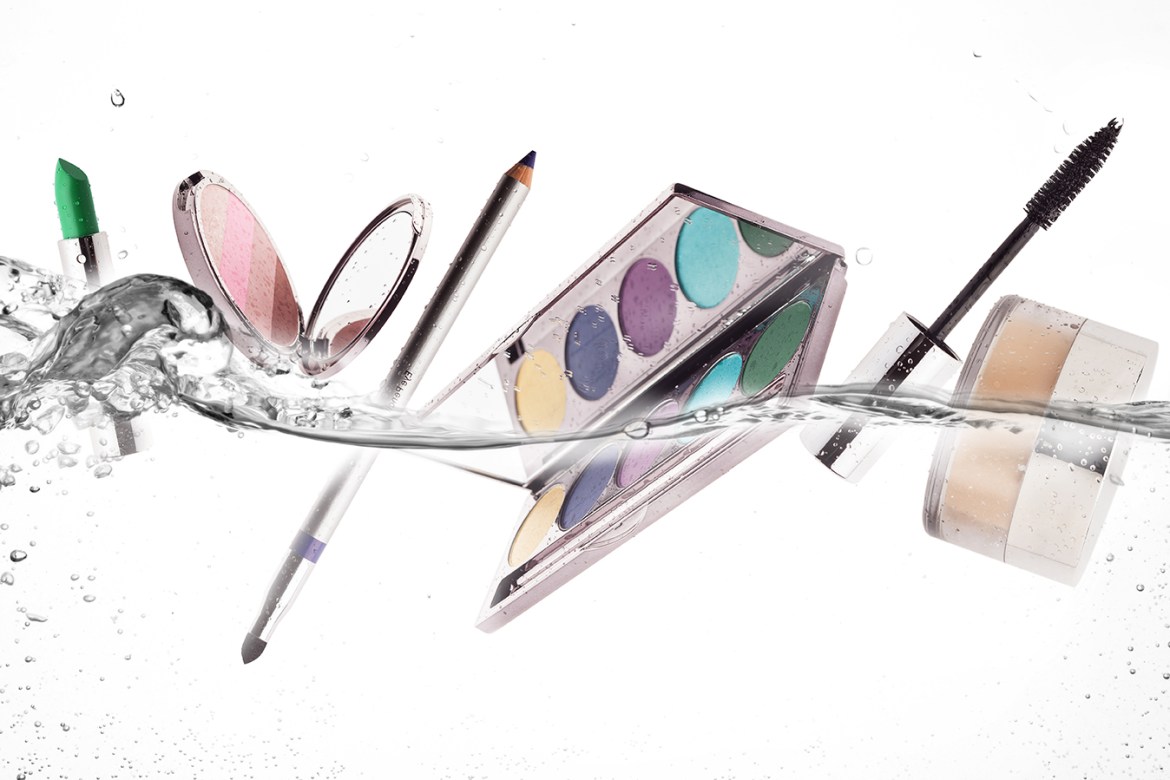
Many of us are regularly detoxing from chemicals in our food, but what about the man-made chemicals in our cosmetics? It’s estimated the average woman applies 515 chemicals to her body a day. That’s a lot right? Taking these unnecessary and toxic chemicals out of your life will free up your organs of elimination allowing them to detox’ more efficiently, instead of the heavy burden they’re under before these chemicals are removed.

The top 28 companies in the personal care industry alone represent revenue that exceeds over $135 billion annually.
Who needs these toxic, damaging toxins anyway, especially when there are so many natural alternatives available that are doing neither us nor the earth any harm. They work, they smell divine – not covering your own pheromones or creating more bacteria, and very often in non-toxic, recyclable or recycled packaging.
The word ‘cosmetics’ covers make up as well as body, hair and skin care, and in Australia manufacturers aren’t required to list the ingredients on the bottle. So how do we know what’s they’re made from? Well, the company’s that are making pure, natural and chemical free products proudly state the ingredients on the bottle. Nom they don’t have to but they want us to know what’s inside. Just because words like organic, natural, botanical, essences or herbal are in the name or on the label somewhere means nothing. If it truly is all- natural, and toxic chemical free then it’ll say. If it’s certified organic then you know that it has to be pure, clean and around 95% free of chemicals. In this case look for a certifying symbol on the packaging.
So what to look out for and avoid when buying cosmetics?
PARABENS (METHYL, ETHYL, PROPYL AND BUTYL). As they mimic human estrogen, these products have been linked to breast cancer and decreased fertility, although there has been no conclusive proof to date. It is advisable to avoid all products that include these ingredients. It’s used as a preservative and anti-bacterial agent. It’s present in many cosmetics and personal care products. If it doesn’t say NO PARABENS, then it probably does.
SODIUM LAURYL/LAURETH SULPHATE. SLS is an emulsifier and foaming agent commonly used in cosmetic products and industrial cleaners, (think degreaser for garage floors). SLS is present in most body washes, soaps, shampoos, toothpastes and laundry detergent. It’s known to cause dry skin, itchy scalp, stinging eyes, mouth ulcers, dermatitis, and that just the tip of it. The ‘Journal of the American College of Toxicology’ says that it has ‘a degenerative effect on the cell membranes because of its protein denaturing properties’. The Journal adds that ‘high levels of skin penetration may occur at even low use concentration’.
SLS may go by over 150 different names, but many products that are SLS-free will proudly state that on the packaging – loud and clear.
10 reason to Avoid SLS –
Products commonly found to contain Sodium Lauryl/Laureth Sulfate –
Soap
Shampoo
Bubble-bath
Tooth paste
Washing-up liquid / dish soap
Laundry detergent
Childrens soaps / shampoos
Stain Remover
Carpet Cleaner
Fabric glue
Body wash
Shave cream
Mascara
Mouthwash
Skin cleanser
Moisture lotion / Moisturiser
Sun Cream
PETROLATUM (or Mineral Oil) is a common toxic ingredient in cosmetics. It’s a semi-solid mixture that is either colourless or pale yellow. They are a bi-product of the distillation of gasoline from crude oil, and are the core ingredients in Bio-oil, Petroleum Jelly (eg. Vaseline), Sorbolene, some lip balms and many ‘baby care’ products. These petroleum based products accumulate, which can then slow and distort cellular development and create premature signs of ageing. They coat the skin, clog the pores and have been implicated as a major cause of eczema and similar skin conditions, and are a suspected cause of some cancers. These toxic ingredients in skin care products can also disrupt normal hormonal activity.
DEA disrupts hormones and forms cancer-causing nitrates. Found in toothpaste,
ALUMINIUM Aluminum has been long known to be neurotoxic, with mounting evidence that chronic exposure is a factor in many neurological diseases, including dementia, autism, and Parkinson’s disease. Cosmetics and personal care products such as antiperspirants, deodorants (including salt crystals, made of alum), lotions, sunscreens, and shampoos
PROPOLENE GLYCOL is an organic alcohol. It is one of the most widely used ingredients in cosmetics and personal care products. Propylene Glycol is used in many types of cosmetic formulations including fragrances. Propylene Glycol and Polypropylene Glycols attract water and function as moisturizers to enhance the appearance of skin by reducing flaking and restoring suppleness. Propylene Glycol is also used to help stabilize formulations.
The Environmental Working Group, a health and safety agency, reports that PG has been associated with cases of skin irritation, contact dermatitis and even urticaria, which is the presence of too many mast cells in the skin. Though the EWG rates PG a fairly low 4 on a hazard scale that ranges from 0 to 10, 10 being the most hazardous, it cautions consumers with claims that it has been linked to cancer, developmental toxicity and allergies.
TRICLOSAN Triclosan is an ingredient added to many consumer products to reduce or prevent bacterial contamination. It may be found in products such as clothing, kitchenware, furniture, and toys. It also may be added to antibacterial soaps and body washes, toothpastes, and some cosmetics—products regulated by the U.S. Food and Drug Administration (FDA). Animal studies have shown that triclosan alters hormone regulation. However, data showing effects in animals don’t always predict effects in humans. Other studies in bacteria have raised the possibility that triclosan contributes to making bacteria resistant to antibiotics.
PTHALATES: are a class of chemicals commonly used in consumer products. Phthalates cause a wide range of adverse health problems including liver, kidney and lung damage as well as reproductive system and sexual developmental abnormalities. It’s yet another synthetic preservative that’s carcinogenic and linked to negative reproductive effects (decreased sperm counts, early breast development, and birth defects) and liver and kidney damage.
FRAGRANCE: This term covers any number of harmful chemicals that do not have to be listed individually on the label. Some common ‘fragrance’ chemicals include –
Parabens: Synthetic preservatives known to interfere with hormone production and release.
Phthalates: Another synthetic preservative that’s carcinogenic and linked to reproductive effects (decreased sperm counts, early breast development, and birth defects) and liver and kidney damage.
Synthetic musks: These are linked to hormone disruption and are thought to persist and accumulate in breast milk, body fat, umbilical cord blood, and the environment.
FEMININE HYGIENE: Toxic ingredients found in tampons today include aluminum, alcohols, fragrance additives and hydrocarbons, and the bleaching process leaves behind dioxin. Dioxin is a toxic chemical (chlorine-compound) linked to cancer (and perhaps now to endometriosis). Dioxin can build up in your body over time, even the tiniest amount, found at parts per billion instead of million, could affect you. Europe doesn’t accept dioxin in the tampons and the ‘World Health Organization’ lists dioxin as a carcinogen.
Your skin is highly permeable — especially the skin around your vaginal area, not to mention inside the vagina. When chemicals come in contact with your skin, they are absorbed straight into your bloodstream without filtering of any kind, going directly to your delicate organs, and these chemicals accumulate. The average woman uses up to 16,800 tampons in her lifetime. Manufacturers of tampons and sanitary pads are not required to disclose the ingredients used because feminine hygiene products are considered ‘medical devices’.
According to Dr. Mercola’s research – ‘each conventional sanitary pad contains the equivalent of about four plastic bags! Chemicals in plastic like BPA and BPS disrupt embryonic development and are linked to heart disease and cancer. Phthalates — which give paper tampon applicators that smooth feel and finish — are known to dysregulate gene expression, and DEHP may lead to multiple organ damage. Besides crude oil plastics, conventional sanitary pads can also contain a myriad of other potentially hazardous ingredients, such as odor neutralizers and fragrances. Synthetics and plastic also restrict the free flow of air and can trap heat and dampness, potentially promoting the growth of yeast and bacteria in your vaginal area.
And what about the bleach used to make them perfectly white? Chlorine is commonly used for this, which can create toxic dioxin and other disinfection-by-products (DBPs) such as trihalomethane. Studies show that dioxin collects in your fatty tissues, and according to a draft report by the US Environmental Protection Agency (EPA), dioxin a serious public health threat that has no ‘safe’ level of exposure! Published reports show that even low or trace levels of dioxins may be linked to –
Abnormal tissue growth in the abdomen and reproductive organs
Abnormal cell growth throughout the body
Immune system suppression
Hormonal and endocrine system disruption
And GMO’s? 94 percent of all the cotton planted in the US is genetically engineered, so is inserting a GMO tampon into your vagina several times every month any different than ingesting GMO food? It may be worse, considering the fact that your vaginal wall is highly permeable, allowing toxins direct access into your bloodstream — be it pesticide residue or a GMO protein.’
Please use ORGANIC tampons and pads, not just cotton, as they’ll likely be made with GMO cotton, beach, chlorine and dioxin DBP’s. There are 2 organic brands that I know of – both easily available from your health food shop. I personally use washable cloths and have done for years. I use organic tampons very rarely. Also look out for ‘sponges’ and ‘cups’.
SUNSCREEN. The active ingredients in sunscreens come in two forms – mineral and chemical filters. Each may pose a threat to our health. The most common sunscreens on the market contain chemical filters. These products typically include a combination of two to six of these active ingredients: oxybenzone, avobenzone, octisalate, octocrylene, homosalate and octinoxate. Mineral sunscreens use zinc oxide and/or titanium dioxide. A handful of products combine zinc oxide with chemical filters. Look for straight zinc oxide, a natural sunscreen from your health food store, or DIY at home using coconut or carrot oils. You’ll find zinc oxide, or another safe, natural sunscreen – containing none of the above chemicals – from your health food store, some pharmacies and online. I personally don’t use sunscreen unless I have to be outside in Summer in the midday sun for longer than about 20 minutes. In this case I use straight zinc oxide, and cover up – Slip, Slop on zinc and Slap.
What you’ll find in most sunscreens –
TOOTHPASTE: Avoid fluoride. I know this is controversial but the fluoride they put in toothpaste is different to naturally occurring fluorine, and is toxic. It’s a by-product of aluminum manufacturing that can also be found in rat poisons and industrial pesticides. Also commonly found in toothpaste are saccharin, sugar, sodium laurel sulphate – invented as a degreaser in garages, propylene glycol – a petroleum- based chemical anti-freeze, DEA or diethanolamine is used in products that foam, including toothpaste (DEA disrupts hormones and forms cancer-causing nitrates); artificial food dyes like yellow no. 10 and blue no. 1- some of the worst colourants.
Here’s how to make your own –
2 tbsp bentonite clay
2-4 tbsp clean (filtered or boiled water that has cooled)
4 drops tea tree oil
5 drops liquid stevia or xylitol
10-15 drops peppermint essential oil
Small pinch of sea or Himalayan salt
Method –
Combine 2 tbsp of water with clay in a non-metal bowl and mix well using a wooden spoon. (The clay should never come in contact with any metals.) Add tea tree oil, stevia and 10 drops of peppermint essential oils. Mix well.
Add pinch of salt, mix well and taste. Add additional stevia, peppermint essential oils (one drop at at time), and water (2 tsp at a time) to taste and texture.
The flavors will meld together over time, so wait 48 hours before checking and adjusting the flavour.
Store toothpaste in a glass jar with a lid.
The toothpaste will dry out over time if left uncovered. To rehydrate, simply add a little water
Variation –
To make lemon toothpaste, reduce tea tree oil to 2 drops, and substitute lemon essential oil for peppermint essential oil.
To make orange toothpaste, do the same this as above but use orange essential.
Some lovely Australian cosmetic companies I’ve tried and continue to use myself are –
www.pureandgreenorganics.com.au (certified organic)
There are plenty more of course – just be sure the cosmetics you buy are free of any toxic chemicals.[/private]


To enjoy a 15% Janella discount on your @TheHerbFarmskincare order, use this code JANELLA15 and watch your skin take a deep sigh of relief.

Antioxidants are a generic term that describes the mopping up of free radicals (the bad guys) in your body – by increasing oxygenation.
Modern food far from existing in its original state, the stress of living in today’s world, strenuous exercise, sun exposure, pollution, chemicals used to grow our food and make our cosmetics, computers, TV’s and carpets, smoking, and bacterial infections can all cause a rise in free radicals to dangerous levels. This results in damage at a cellular level resulting in premature ageing like wrinkles, bad skin, black rings under the eyes and sometimes, serious illnesses such as cancer.
Many antioxidants are vitamins like C and E, but Carotenoids are the most powerful anti oxidants known. Along with chlorophyll, carotenoids are what give plants their colour. The most powerful carotenoid is Astaxanthin (blue-green algae), and the next is Beta Carotene, of which Spirulina is the richest known natural source. There are other foods high in different antioxidants. This is where you’ll find lots of them –
Astaxanthin
This little known carotenoid is now believed to be the most powerful antioxidant by far. There are only two natural sources of natural astaxanthin—the micro-algae that produce it, and the sea creatures that consume the algae (such as salmon, shellfish, and krill). Astaxanthin is 65 times more powerful than vitamin C, 54 times more powerful than beta-carotene, 550 times more powerful than Vitamin E. No adverse reactions at all have been found for people taking Astaxanthin. It’s perfectly safe. You’ll find astaxanthin in supplement form on line.

You may have heard of astaxanthin before. The synthetic version made in a laboratory is commonly used worldwide to give farmed fish, especially salmon, its pinkish red colour. You really do want to avoid man-made astaxanthin as it’s made from petrochemicals, which makes it a toxic hormone disruptor.
Cacao
According to a study in the “Journal of Agricultural and Food Chemistry” published in 2003, researchers compared the antioxidant capacity of black tea, green tea, red wine and cocoa, concluding that cocoa has the highest antioxidant activity among the four products and the greatest potential for health benefits.
Garlic and its juice
Garlic is one of the best medicines in the world. It has natural ‘germanium’ and is anti-fungal and antibacterial (just to name a few of its actions). If you’re cooking your garlic, crush it up and let it sit for ten minutes before adding it to your recipe. It has to sit so that the enzymes can create the healing phyto-chemicals we need.
Dried Fruit
Goji berries have an enormous amount of antioxidants, yet dried Pomegranate seeds, (also expensive) have almost double the amount. And then comes dried Indian Gooseberries that have around 10 times more than Goji berries.
Green Super-Foods
Spirulina, chlorella and barley grass are chock full of minerals and enzymes. The enzymes are both anti-mycotoxin (mycotoxins are released by yeast/fungal infections) and antioxidants.
Matcha
This premium green tea powder from Japan is used for drinking as tea, or to use as a vibrant, green ingredient in recipes. Other green teas are grown throughout the world, but Matcha is unique to Japan. One cup of Matcha contains as much as 10 times the antioxidants of one cups of brewed green tea.
Quercetin
An antioxidant belonging to a class of water-soluble plant substances called flavonoids. Some research has shown quercetin-rich foods, such as apples, berries, red grapes, red onions, capers and black tea, are ‘natural antihistamines’ as they prevent histamine release. Quercetin is also available in supplement form.
Selenium
Sources include wheat germ, garlic, Brazil nuts, eggs and brown rice. Brazil nuts are perhaps the best source of this important mineral, and eating just 3-4 Brazil nuts per day may provide adequate intake for most people to maintain levels. Although, a supplement may be necessary if levels are low.
Vitamin A
Is found in dark green leafy veggies such as kale, rocket, baby spinach and all your Asian greens and any fruit or veg’ that is green, yellow, red or green in colour – so pumpkin, carrots, capsicum and broccoli, and spirulina has an enormous amount.
Vitamin C
This vitamin has long been known to battle the effects of ageing and disease. Like Vitamin E, Vitamin C is an effective antioxidant so it will help to reduce free radicals. Most fruits especially guava and paw paw are good sources of Vitamin C as are vegetables like kale, broccoli, cauliflower, tomato, Brussels’ sprouts and cucumber. Goji berries, Gubinge and Camu Camu have more Vitamin C per weight than most other foods on earth.
Vitamin D
Different from other vitamins because our bodies can make most of what we need with exposure to sunlight, unlike having to get it from our diet. In fact most foods aren’t great sources of vitamin D, and there are only a small amount to choose from. The best sources are cod liver oil, sardines, wild Alaskan salmon, mackerel and mushrooms. Sunlight is the best way to get your Vitamin D as it promotes this vitamin’s synthesis from cholesterol in the skin.10-15 minutes a day is enough, and allowing the sun to shine on as much of you body as you can is the way to go.
Vitamin E
Found in olives, nuts and seeds oils, wheat germ and leafy greens.
Zinc
Good sources are oysters, organic red meat, wheat germ, miso, pumpkin seeds, alfalfa, sardines, legumes, mushrooms, pecans, organic soybeans, sunflower seeds and whole grains.
Herbs + Spices
Extremely high in antioxidants, in fact at least 10 times higher than the foods above per weight, and the herbs and spices below are in a class of their own when it comes to antioxidants. Add these foods to your meals but you can also use them as essential oils and some of them as herbal tinctures. Look for 100 percent pure (therapeutic grade) oils, which are highest in antioxidants, and organic or at least wild-crafted herbal medicine. From the highest are cloves, cinnamon, rosemary, oregano, turmeric, cumin, parsley (dried), basil, ginger and thyme


Castor Oil – coming from the seeds (or beans) of the Ricinus communis plant, is an oil rich in antioxidants and Ricinoleic Acid (RA) and also contains small amounts of linoleic, oleic and stearic acid. The healthiest and safest version of castor oil comes from de-hulling the bean, then cold-pressing the seeds to produce the rich and viscous oil.

Castor oil packs have been used by healers to help reduce a variety of health conditions for many generations. Placed over your abdomen or liver, these packs are used to improve liver detoxification, breakdown kidney stones, reduce period pain, reduce symptoms of autoimmunity, support uterine and ovarian health, improve lymphatic circulation and reduce inflammation.
To DIY: Mix two to four drops of an essential oil – depending on what you’re treating – with enough warm castor oil to lightly soak a piece of cloth, (either a lightweight tea towel, or a piece of linen, or even a face washer). Castor oil has a rather strong smell, so be ready.
Btw, you can buy packs that include a piece of flannel cloth and a pack, with straps – so you’re all sorted. Just Google ‘castor oil packs’. (See images.)
Wring out the cloth to remove any excess oil, then place it over your abdomen or liver for at least 30 minutes, with a heat source like a wheat pack or hot water bottle over the top of it. This helps to stimulate lymph and liver function. Lie flat in bed, and perhaps cover your eyes with an eye pillow and use this time of quiet relaxation to go within.
Placing the pack on the right side of the abdomen or the whole abdomen will help support the liver and digestive systems, as well as reproductive and colon health. These packs are used also to relieve pain. Aim to do it 3 times a week, and relax.
Castor oil packs can be a bit messy, so I wrap mine in a plastic-free cover like a bees wax wrap, or an apron. Be aware of any skin sensitivities, so avoid applying the oils directly to your skin.

Side note – I was once at a sanitarium (health retreat/hospital) in Austria, and part of the program was a daily liver pack, such as this one above. Instead of the oil-soaked cloth though, they used flaked pieces of dried burdock root (a great liver herb) that had been warmed and stuffed in a plastic zip lock bag. It was delivered to my room like this, so all I had to do was lay down on my bed, put a light towel over my abdomen and then the compress over the top. Gawd it was nice. And I really did feel the benefits. Gut and reproductive pain, as well as pent up anger and resentment – all but disappeared using these packs daily for the 5 days I was there.
Either way you decide to do it – it’s going to help.
