Living With Nature’s Rhythms...one season at a time.
![]()
Amy Schumer defusing the ancient art of female emotional combat. I couldn’t resist posting it- It’s a bit hilarious!
Click link to view:
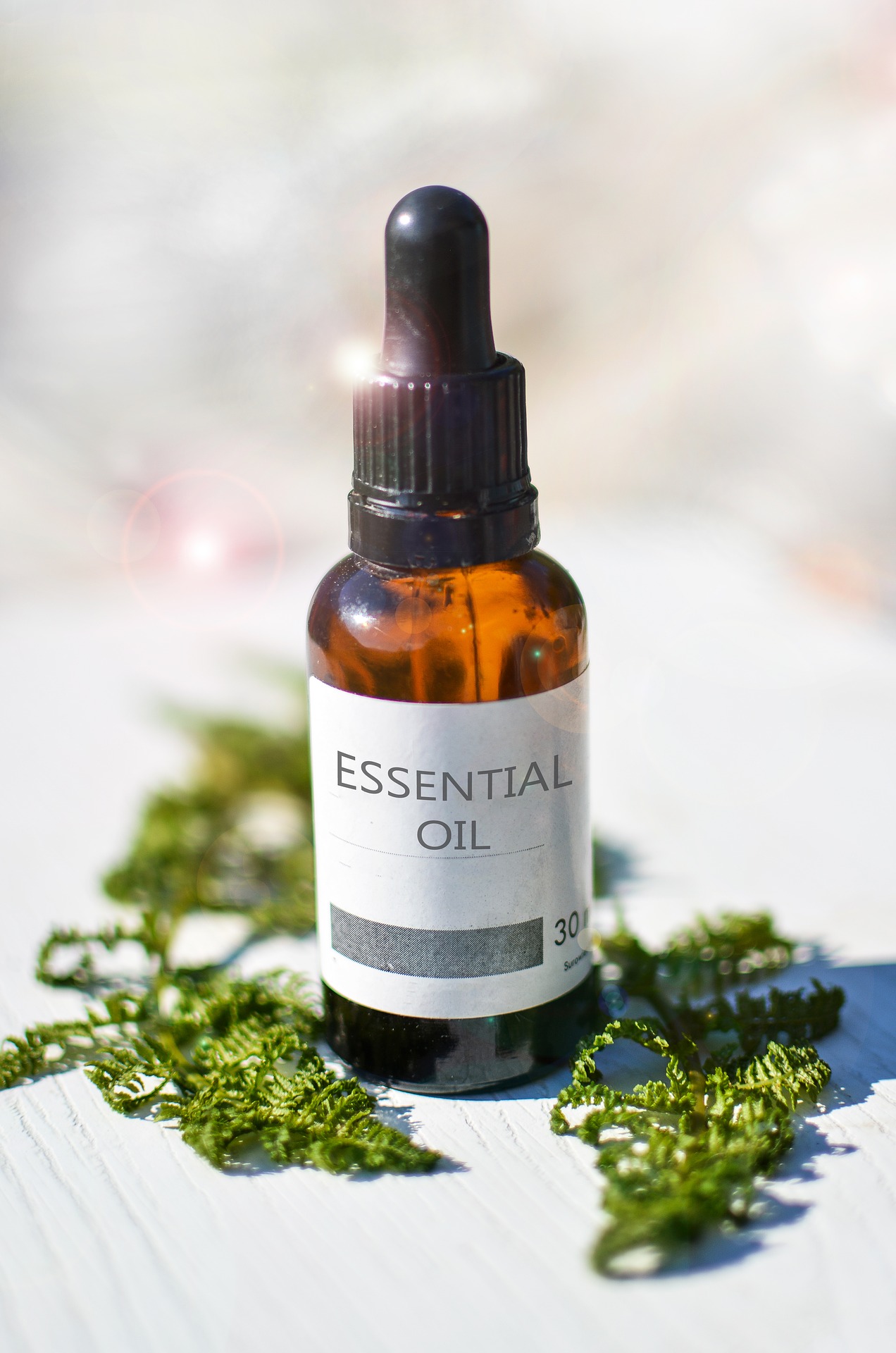
Essential oils like Clary Sage, Rose Geranium, Lemongrass, Fennel, Clove, Basil, Cinnamon and Rose Geranium have all been shown to exhibit therapeutic effects similar to phytoestrogens, helpful for easing cramps, nausea, flushes, fatigue, fluid retention and mood swings – commonly associated with PMT and menopause.

Put a few drops in an oil burner, in your bath, on your wrists (check for sensitive first), or mix with some jojoba or almond oil and use as a massage on your abdomen and/or feet.

Estrogen is a hormone that plays an important role in the endocrine system. Candida is a yeast that is naturally occurring in our guts. Estrogen can support the growth of Candida and Candida overgrowth encourages estrogen dominance. Research also shows that a common cause of Candida overgrowth is the use of oral contraceptives. While these two systems seem separate in the body, the most current research tells us otherwise.
If you suspect you have an overgrowth of Candida and it may be contributing to your PMS, consider –
1. Including fermented foods and drinks in your diet. Miso, tempeh, sauerkraut, kim chi, kefir, yoghurt, quark.

2. Limiting your refined sugar. Sugar feeds yeast, weakens the immune system, and blocks hormone receptors.
3. Over over-eating, and late night eating.
4. Taking a high-quality omega 3 oil like Lifestreams ‘V Omega’. Omega-3s have been found to alleviate inflammation, linked to symptoms like pain and acne, and signs of emotional distress, like depression or anxiety.

5. Love your Liver. Among other things, the liver helps to detoxify the body of excess estrogen. If your liver is clogged then oestrogen dominance will occur and that ain’t what we want. Not at all.


Chaste Tree is you herb of choice here. Its botanical name is ‘vitex agnus castus’ and it works! I prescribe it to almost everyone of my female clients, and I myself have been taking it on and off for over 20 years now. It works! Did I mention that? I recommend taking 2.5 ml of the liquid (practitioner-only if you can) in the morning. Find it in health food stores or from your health practitioner
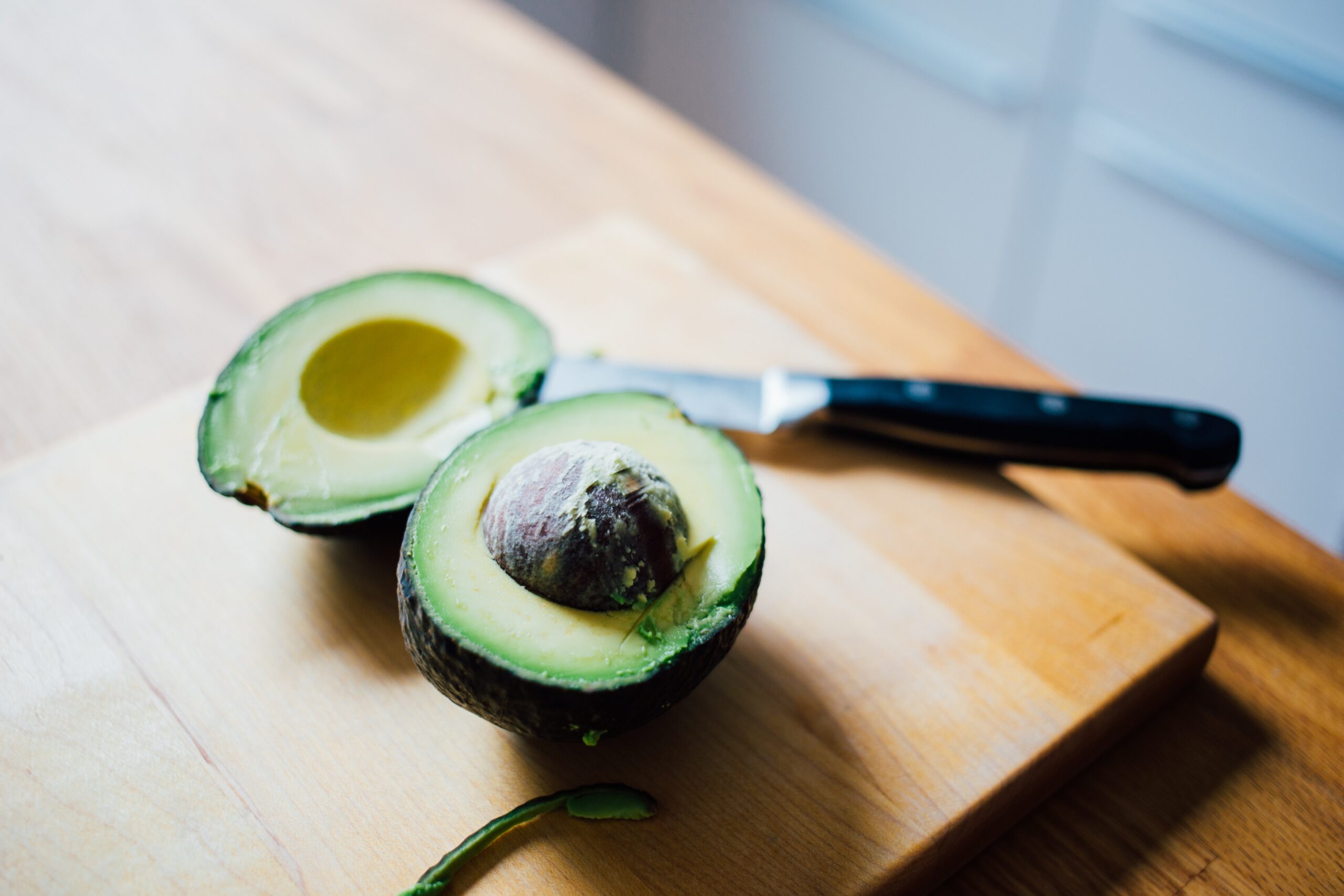
Vitamin E keeps the blood ‘slippery’ and helps with sore breasts, nervous tension, irritability and depression. Foods high in Vitamin E such are nuts and seeds – and their oils, including sunflower, flax and hemp, wheat-germ, spinach, sprouts, avocado, tahini, kale, broccoli, cabbage, olive oil and mint

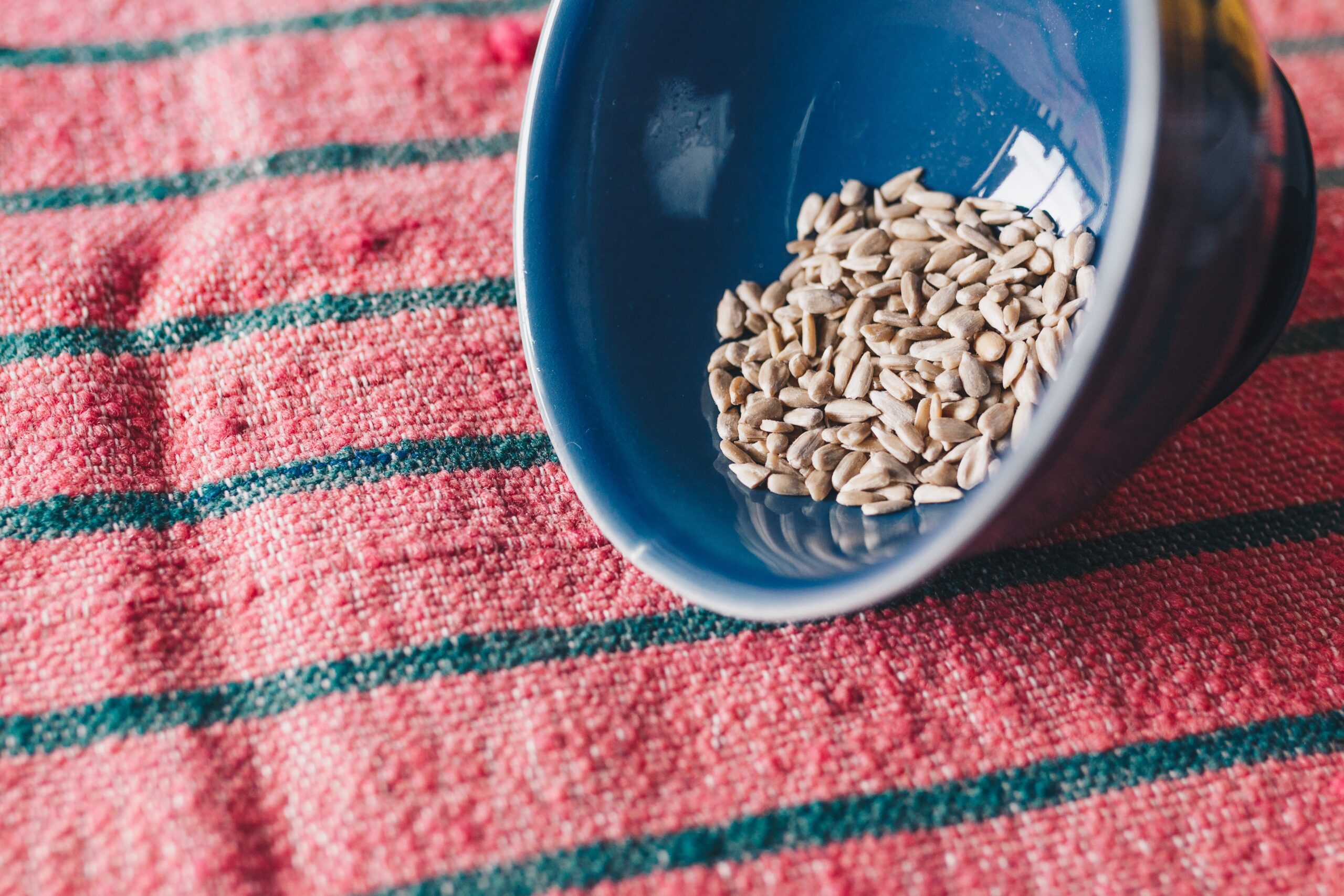
Vitamin B6 assists in the production of dopamine, which is a neurotransmitter that eases anger, depression and breast tenderness. You’ll 1.2 – 2mg a day depending on what age and stage you’re at. You’ll need more throughout pregnancy, lactation and menopause – and of course if your PMT is causing choas. Below – milligrams per 100gram serving.
Sunflower Seeds 1.35
Pistachios 1.1
Chickpeas 1.1…
Dried prunes 0.75
Quinoa 0.5
Potatoes 0.4
Millet 0.5
Bananas 0.37
I like to get as many nutrients as I can into one yummy mouthful. My #BlissBalls are a perfect way. I sometimes add whole food supplements to boost it even more. Lifestreams ‘B Complex’ and ‘Essential Greens +’ are available at health food stores and pharmacies throughout Oz and NZ, or on line at http://au.planethealth.com.au/lifestream.aspx

My Bliss Ball recipe –
http://www.foodwise.com.au/recipes/bliss-balls/

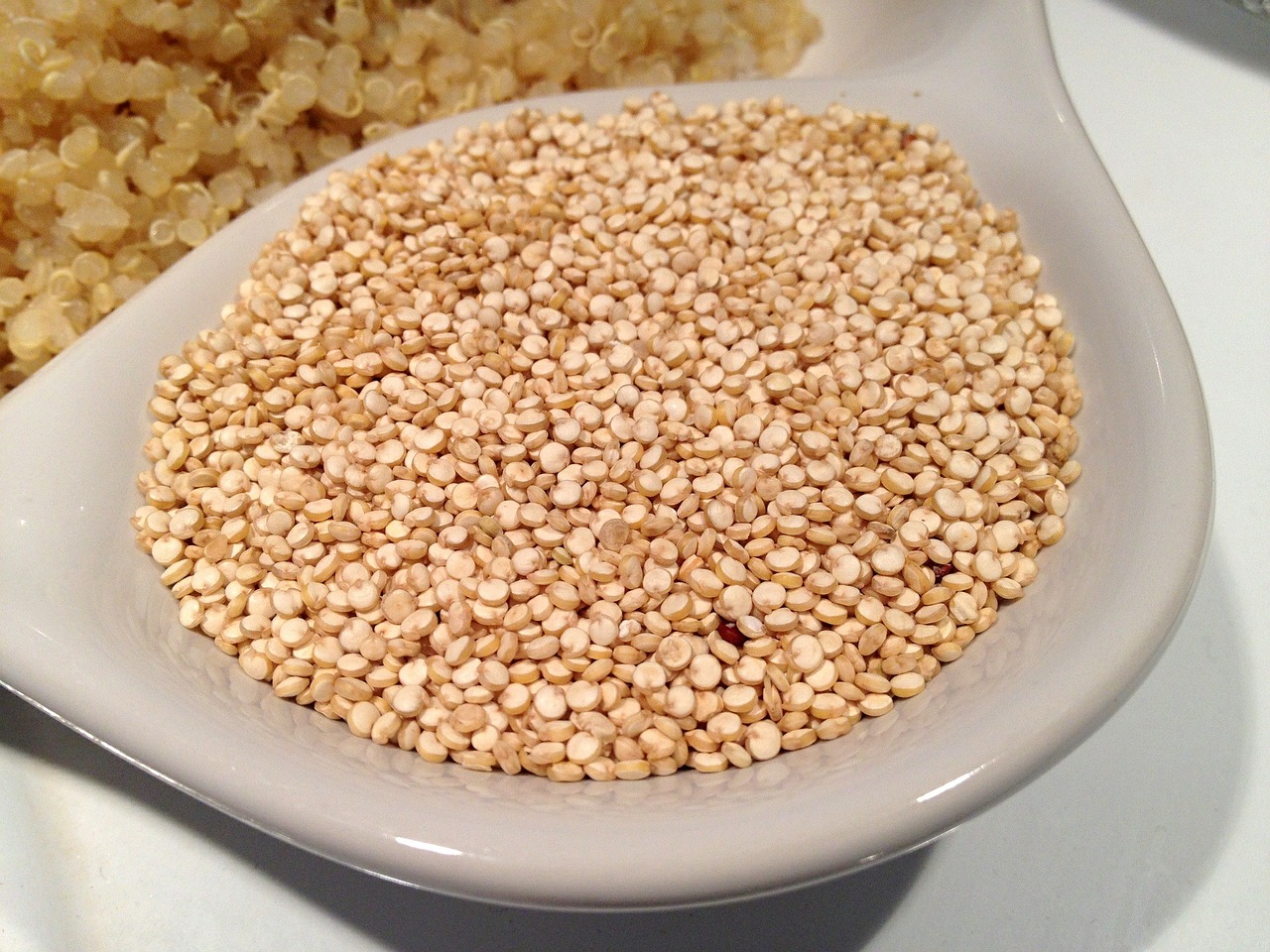
Calcium is a very important mineral when it comes to pre-menstrual tension. It can ease depression, moodiness, water retention and PMS pain. Adults need about 1,000 milligrams a day, and most of use aren’t getting enough. A serving of sugar-free, full fat yogurt contains about 300 milligrams of calcium. Quinoa is another good source (80mg in 1 cup), as is broccoli (100mg in 2/3 cup), almonds (35mg in 10 almonds), kale (101mg in 1 cup, raw), bok choy (74mg in one cup…, raw), organic soy (434g in 1/2 cup), sardines (351mg in one can), canned wild alaskan salmon (232 in 100g, canned), white beans like navy (62 in half cup, cooked), full fat cow’s milk (305mg in 1 cup).
Sometimes a supplement is necessary, especially when dealing with nasty PMT. Lifestream calcium available at health food stores and good pharmacies throughout Oz and Nz, or on-line at – http://au.planethealth.com.au/Our-Products/Lifestream/Natural-Calcium-(1).aspx?view=category
#GoodFish available in heath food and specialty stores. Cheat out Olive Green Organics for stockists.
Spinach is a magnesium-rich food, which supplies 156 milligrams in just one cup! Magnesium helps to eliminate excess fluid from your cells, which helps you feel less bloated. My favourite spinach fix.
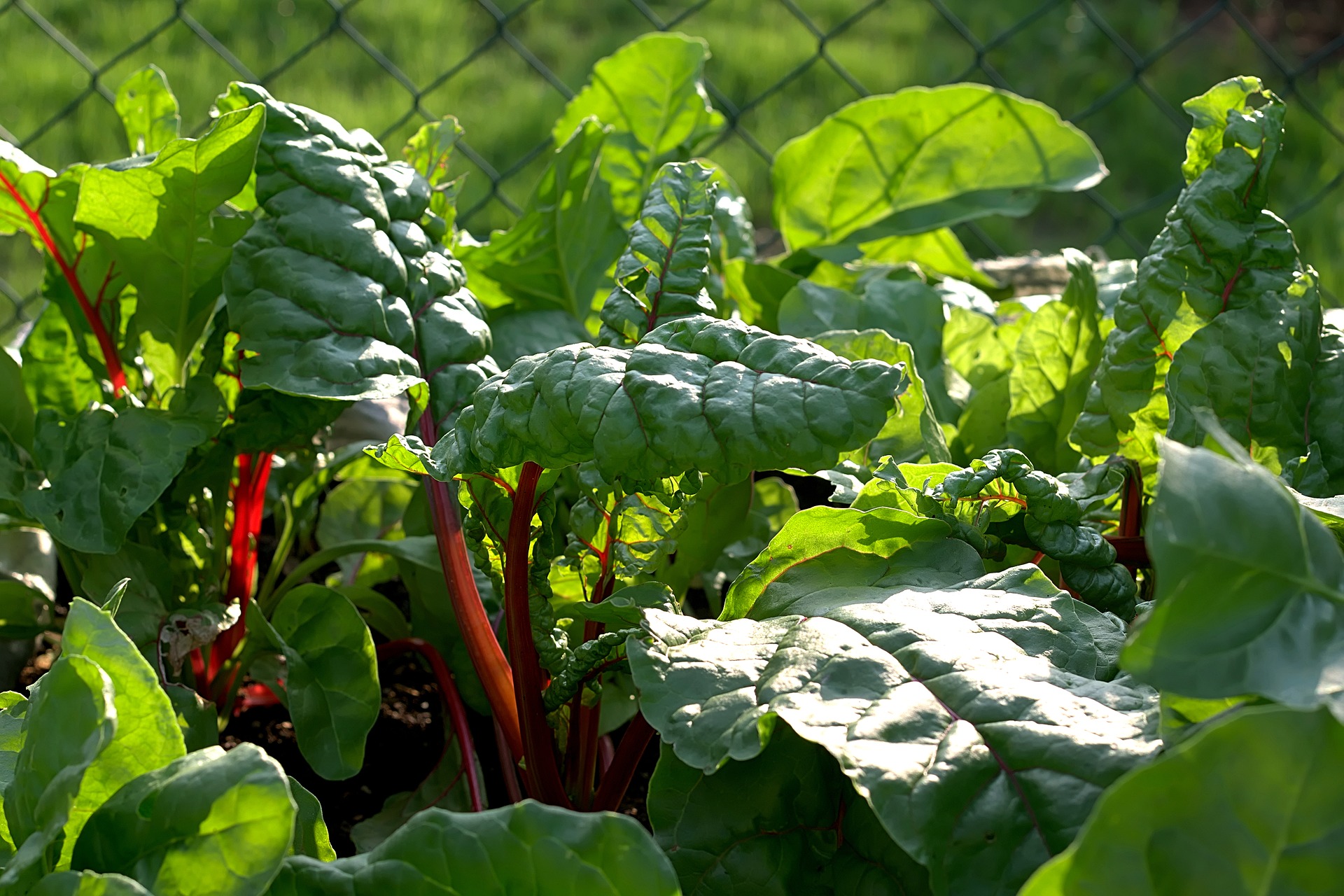
‘Silver beet and Chick Peas with Tahini Sauce’
1 onion, sliced…
1 tbsp olive oil
1 garlic clove, finely chopped
½ bunch silver beet, washed and roughly chopped
1 400g BPA-free tin chickpeas, drained and rinsed
1/4 cup tahini, hulled
½ lemon, juiced
1/2 tsp cumin, ground
1 garlic clove, finely grated or chopped
1 pinch sea salt
Heat your pan then add the oil and onion and sauté until soft, about one min. Now add the garlic and continue cooking for another min. Next add the silver beet and stir through the onions. Cover and let cook for about 1-2 mins or until silver beet is softened. Now add the chickpeas and stir to combine.
In a small bowl mix the tahini, lemon, cumin, garlic and salt. If the sauce is too thick just add some water and stir until it is smooth and creamy.

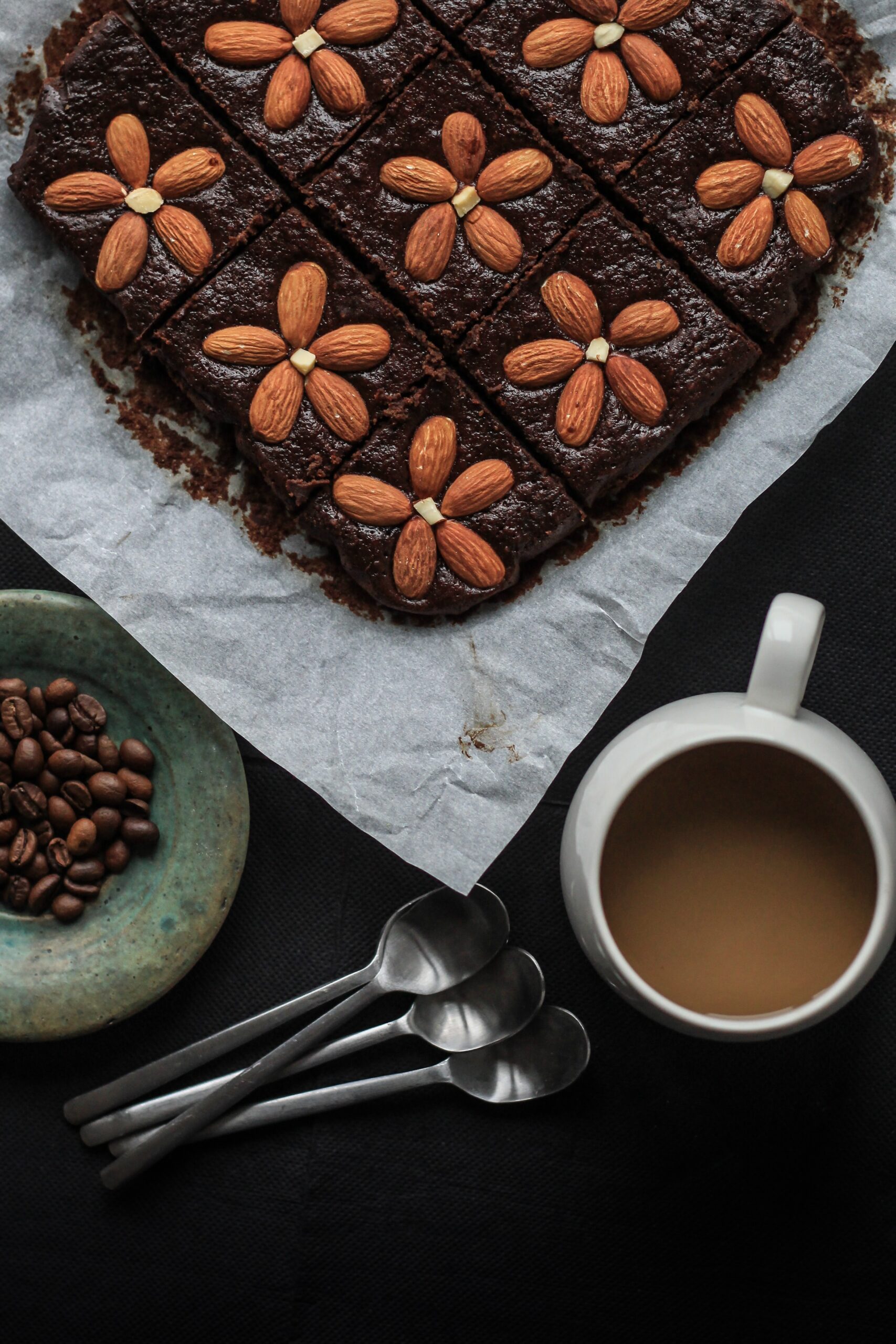
And not just any chocolate. Just because you are feeling crap doesn’t mean you have to punish yourself by eating bad chockie. Make sure you have the good stuff in the pantry in times of a pre-menstrual emergency. By the way it’s probably magnesium your craving when your hankering for chocolate becomes slightly/completely obsessive. Almonds are a good source of magnesium, so why not get some almond chockie? Problem solved. My favourite brands are Loving Earth and Pana Chocolate.
Omega 3 oils, GLA and Alpha-Linolenic Acid (ALA’s) help to control the hormone imbalance that can cause Pre-Menstrual Tension.Lifestreams ‘Spirulina’ and ‘V Omega’ are exceptional sources, also hemp, chia and flax seeds, sustainable seafood, seaweed, organic tofu, avocado and macadamias.


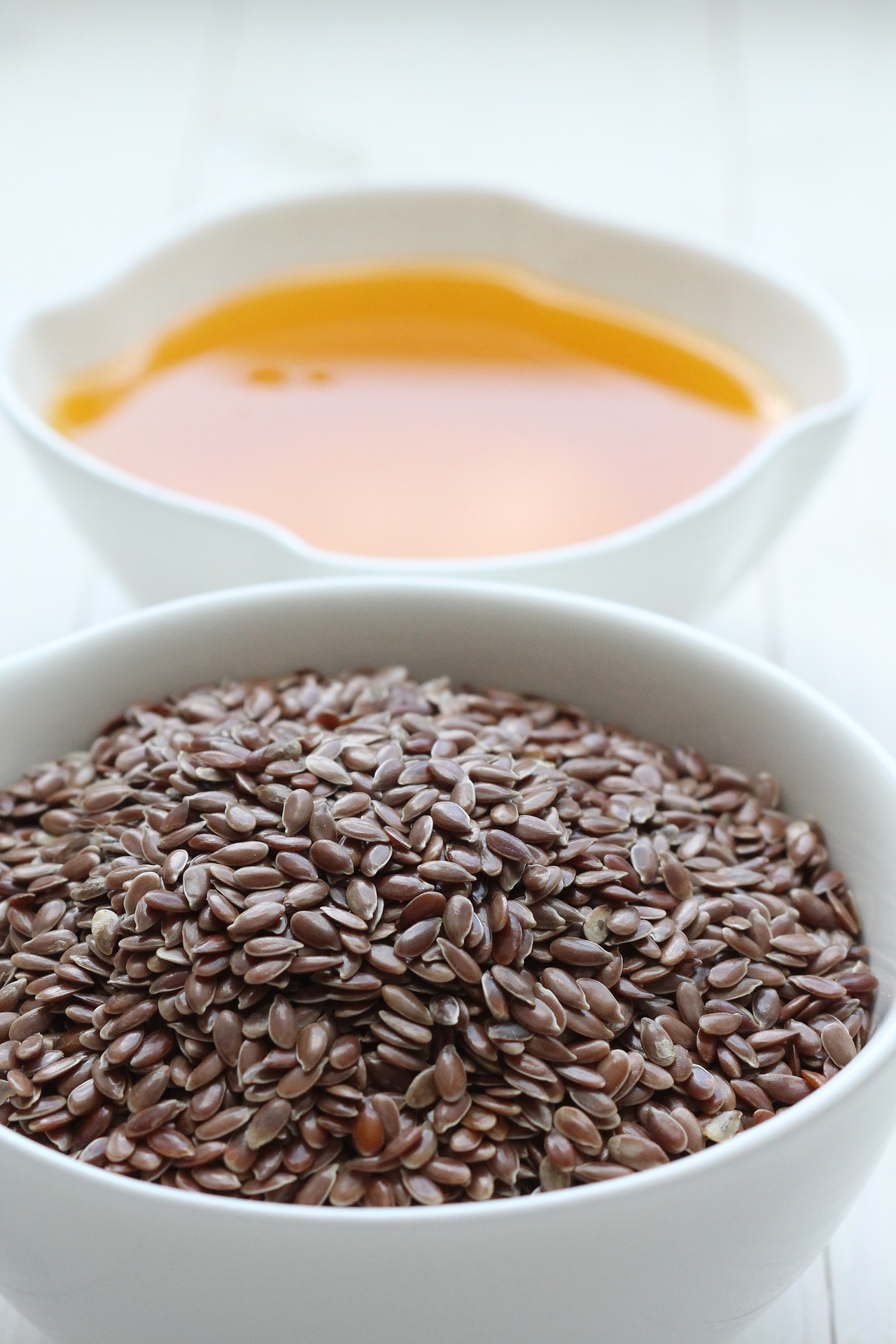
Excessive amounts of prostaglandin (PGE2) from too many animal products in our diets is one way our hormones become imbalanced. Omega 3 and GLA oils control PGE2.
Foods high in omega 3 include sustainable, deep-sea, cold- water fish like cod, sustainably-caught (not farmed) salmon, mackerel, sardines and anchovies; plant sources are seaweed, walnuts, macadamias, olive oil and avocado’s and hemp, chia and flax oils.
– Alpha-linolenic acid also contains omega 3. Plant sources are flax, hemp and chia seed oil and seed, pumpkin seeds and organic soy products like tempeh (fermented soy product), organic tofu, and soymilk. Dark green leafy vegies are also a good source.
– GLA oils. Sources include spirulina, evening primrose oil, walnuts and black currant
Symptoms of pre-menstrual tension (PMT) occur when our hormones are out of balance. This is often caused by dietary factors, man made oestrogen’s in our cosmetics and cleaning products, &/or liver issue.
Symptoms of PMT are categorised as follows –
A-anxiety; B-bloating, (abdomen and breasts); C-cravings; D-depression.
But can also include lower backache, headaches, insomnia, joint pain, food allergies and water retention. Not to mention wild mood swings.
Most women experience at least one of the above symptoms, but many experience more or all. PMT symptoms usually occur in the 7 days before menstruation, but can start to present themselves up to 14 days before.

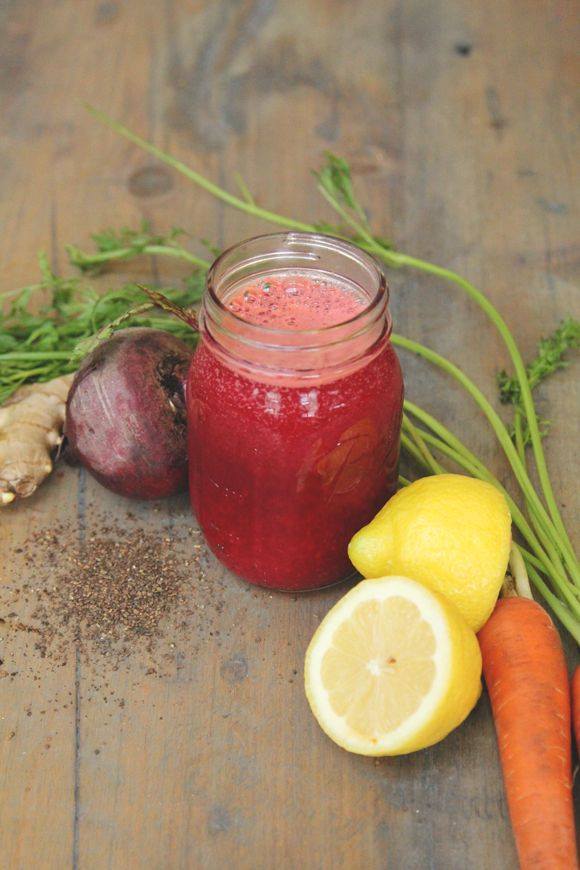
Beetroot, Carrot, Ginger and Lemon Juice is a great juice to cleanse your liver in the warmer months. Add celery to if you like it. If this is altogether too bitter for you, then add a little fruit like green apple, pineapple or pear

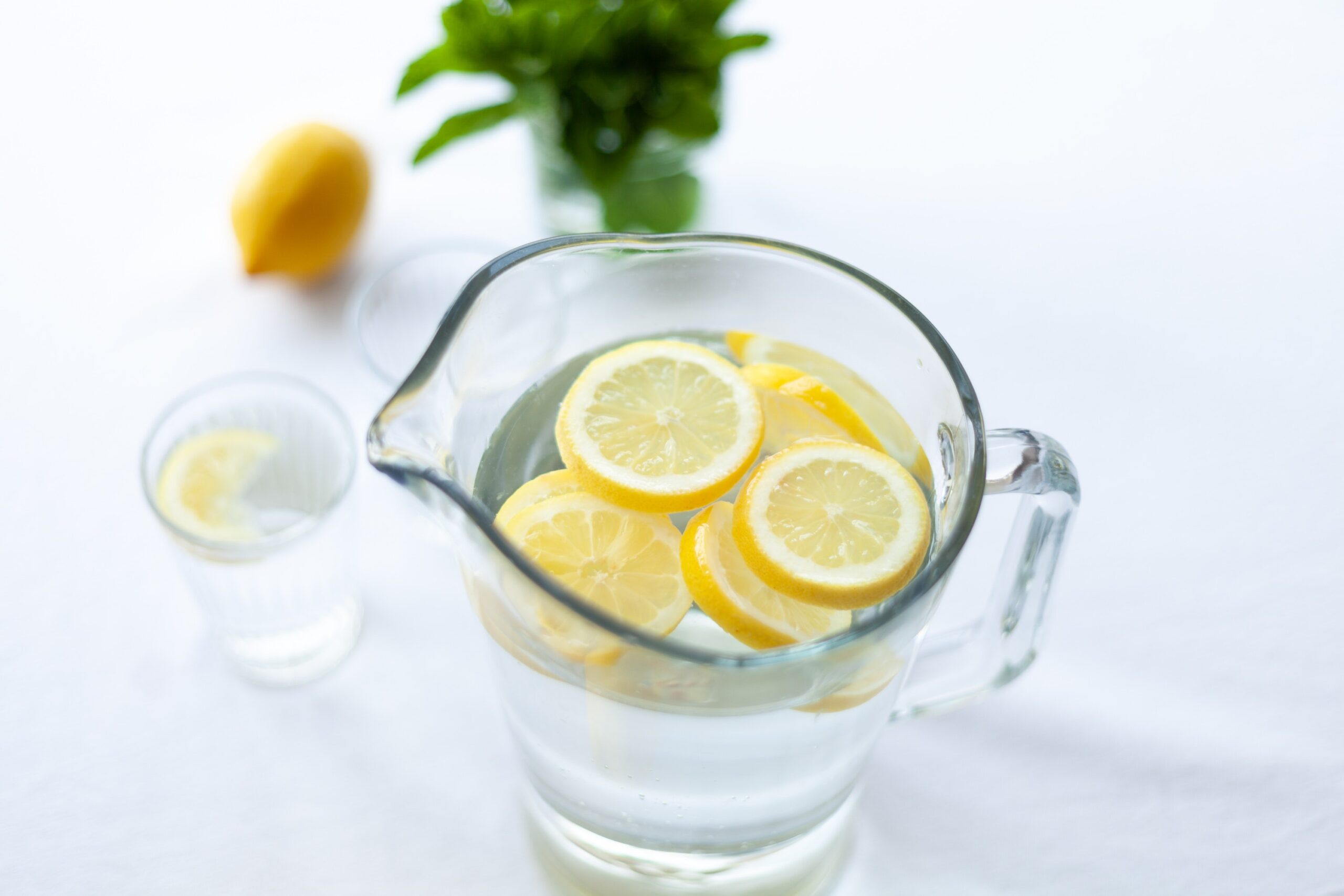
For all the blends start with 10 cups of clean water and a jug. Mix in the fruit then leave in the fridge overnight before serving. Up to you if you want to strain them or not before drinking.
1. Lemon + Cucumber + Basil
1 cucumber and a lemon, thinly sliced + 1/3 cup each of finely sliced, fresh basil leaf + mint leaves.
2. Strawberry + Lime + Mint.
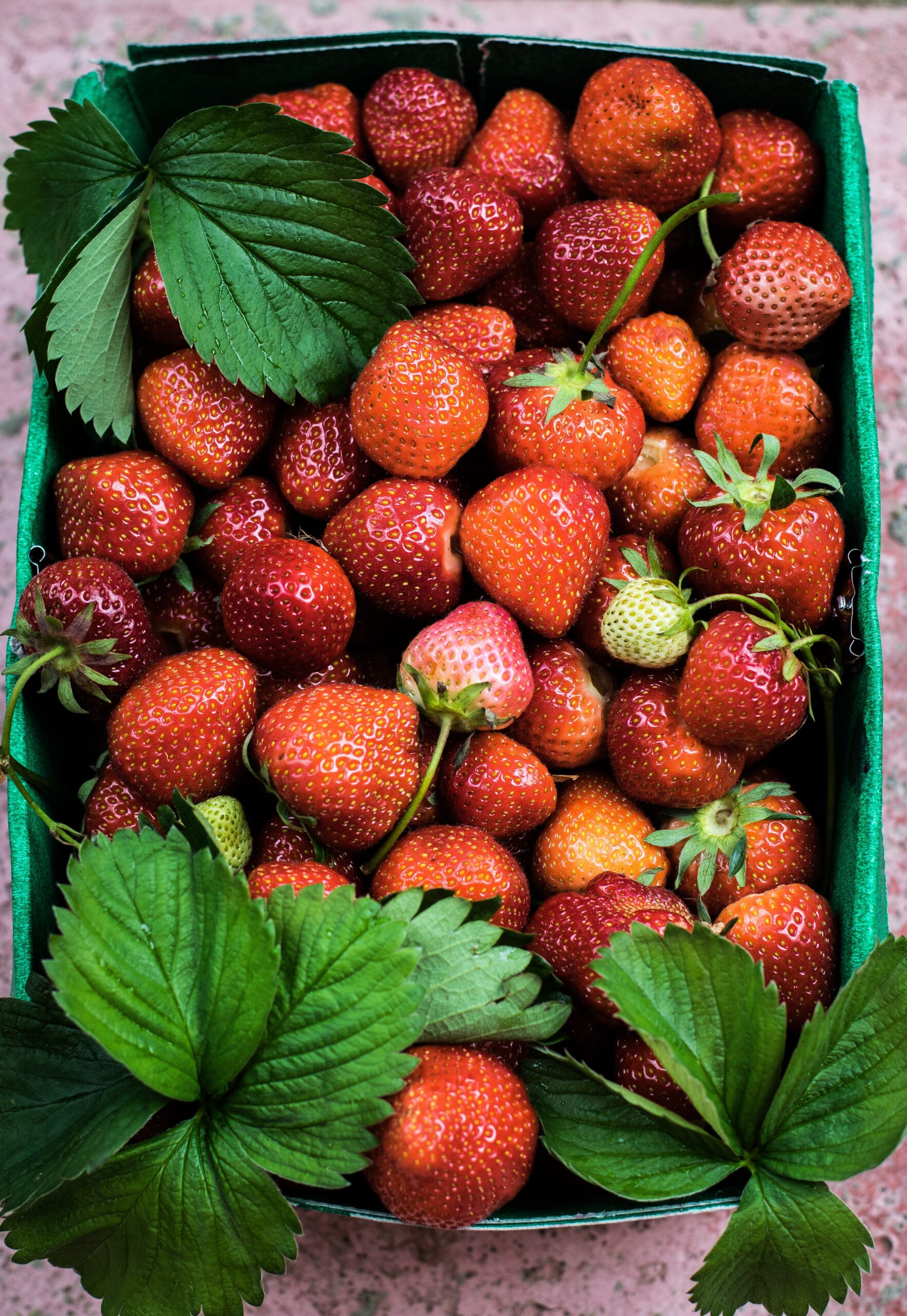
6 strawberries and 1 lime, thinly sliced + 12 fresh mint leaves, finely chopped.
3. Fennel + Orange
In a tea cup pour 1 cup boiling water onto 1/2 tsp dried and crushed fennel seeds. Let it steep for 5-10 minutes, then allow to cool then strain. Now put the juice from one lemon in your 10 cups of water with a small thinly sliced orange + 12 fresh mint leaves, chopped + the fennel seeds infusion.
4. Blackberry + Sage
1 cup of blackberries (or blueberries) that have been very slightly crushed + 3-4 sage leaves.
5. Watermelon + Rosemary
1 cup of watermelon cut into cubes + 2 rosemary stems.
6. Pineapple + Mint + Lemon
1 cup of pineapple cut into cubes + 12 fresh mint leaves finely chopped and the juice from one lemon.
7. Apple + Cinnamon
1 cup of apple cut into cubes + 2 cinnamon sticks + 2 teaspoon of ground cinnamon.
8. Ginger Tea
Make a tea by pouring 2 cups of boiling water onto 1 tsp freshly grated ginger. Allow it to cool slightly then mix it with the 10 cups of water + raw honey/rice syrup or maple syrup to taste.
Harvested this year’s garlic on a fine Sunday morning in Spring. So excited. We plant it at Easter each year and (plan on) harvest on October long weekend. A bit late this year but it’s still beautiful. Little red bulbs that pack a pungent punch.
- Rocket
- Asparagus
- Beets
- Blackberries
- Blueberries
- Broccoli
- Brussels Sprouts
- Cabbage
- Carrots
- Cauliflower
- Celery
- Chard
- Coriander
- Cucumbers
- Dill
- Grapefruit
- Garlic
- (Green) Kale
- Leeks
- Lettuce–Head and leaf,
- Mint
- Mushrooms
- Mustard Greens
- Parsley
- Peaches
- Peas
- Potatoes
- Radishes
- Spinach
- Spring Onions
- Strawberries
- Squash
- Tomatoes (greenhouse)
- Turnips.

Basically – get outside in nature. Studies suggest that air with an overall depleted ion count (positive and negative) or an abundance of positive ions and a lack of negative ions, does not promote a healthy environment and should be treated as polluted air.
1. Chemicals in your home: Try to be mindful about how many you’re bringing in. Use natural cosmetics and cleaning products, and try to buy your food as chemical-free as you can afford or have access to. (Our indoor environment is much more toxic than outdoors, and that’s saying something.)
2. Where: Negative ions are abundant in nature, especially around waterfalls, in the ocean, at the beach and after a storm. They are widespread in mountains and forests.
3. Why: They release endorphins, our feel-good hormones. Indoor air that has a higher concentration of positive ions can lead to ‘Sick Building Syndrome’ or even symptoms usually associated with ‘Seasonal Affective Disorder’.
4. How: The most obvious way is to get outside into nature. Bush walking, camping, finding a beautiful waterhole and/or waterfall to hang out in, or even just walk around your neighbourhood, assuming the pollution isn’t terrible. Have your bare feet touch the earth as often as you can (this is called ‘earthing’), gardening is wonderful, get in the ocean and wade, swim or surf. Internally, get some indoor plants, and an ioniser/dehumidifier/diffuser is another good way to absorb the positive ions. I have one that I can add essential oils to it and it also has a soft night light, so it’s great to leave in the bathroom or kids room overnight. ‘Salt lamps’ are great way to encourage negative ions in your home and/or workplace. I have a few scattered around my place, but be warned – they tend to melt a little in humidity, so you’ll need a plate under them, or get an electric one.
The degree to which negative ions contribute to overall wellbeing and health is scientifically proven. They help to-
– neutralise free radicals, (the bad guys)
– revitalise cell metabolism
– enhance immune function
– purify the blood
– balance the autonomic nervous system, promoting deep sleep and healthy digestion.
The most important benefit of negative ions is that they clear the air of airborne allergens such as pollen, mould spores, bacteria and viruses. Besides that they also clear the air of dust, pet dander and cigarette smoke. Negative ions perform this function by attaching themselves to positively charged particles in large numbers and negatively charging those particles. As a result, these viruses, bacteria and pollen spores become too heavy to remain airborne and are thus prevented from entering your breathing passage where they can make you sick. In other words, negative ions form a protective circle around you.
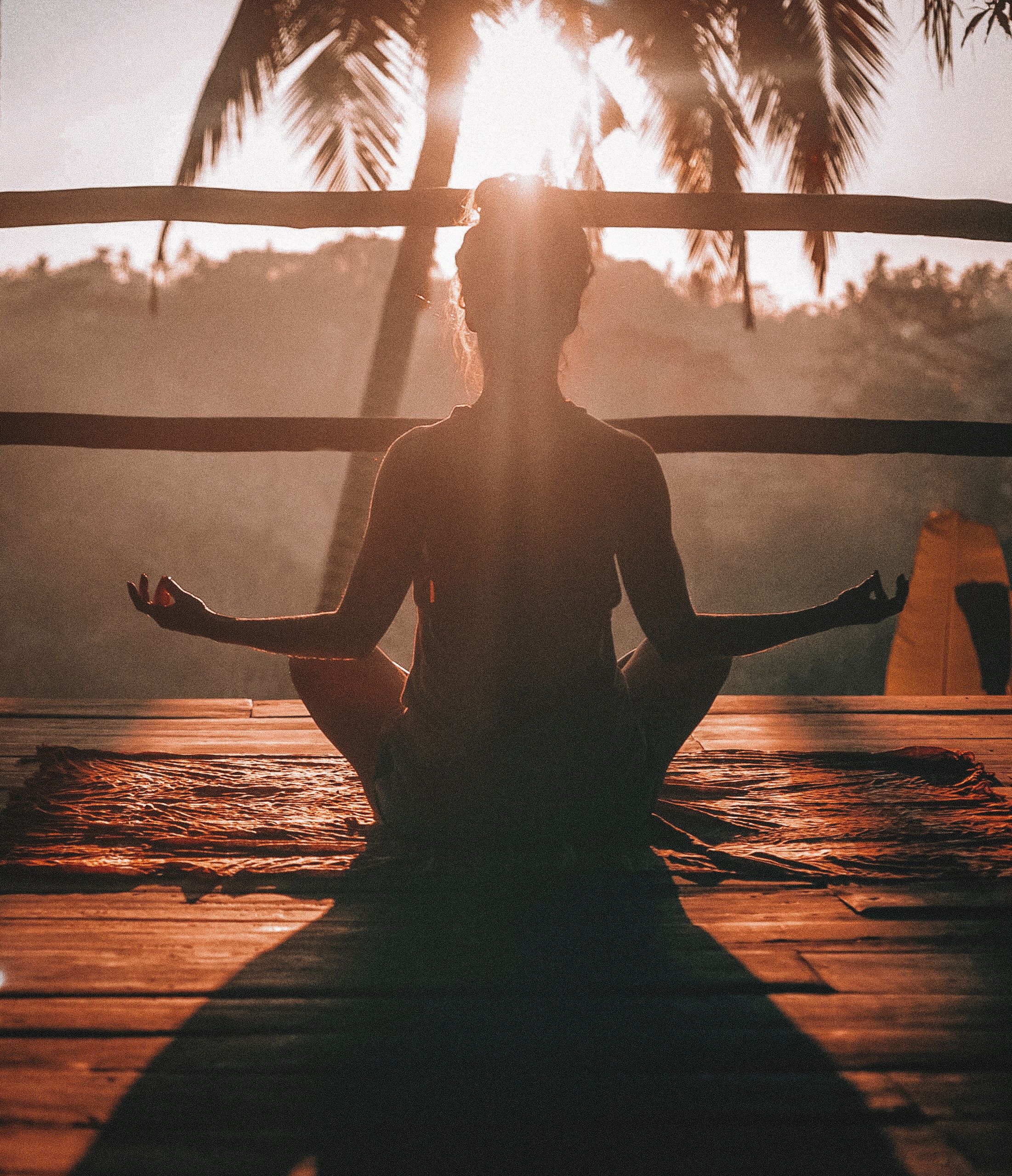
VITAMIN D deficiency has been the topic of much discussion of late. Our wide spread deficiency is mostly due to indoor working environments, as we need 30 minutes of full body sun exposure a day – preferably in your birthday suit. If this isn’t possible then at least get the sun on your belly and inner thighs. This’ll gives you 10,000-20,000 iu of Vitamin D (5000 iu a day is enough.)
After you’ve been sun-kissed, don’t wash the Vitamin D3 off after its been created from being in the sun. wait at least an hour or more if you can.
Vit D is a cholesterol that’s converted in the body via the sun – if there’s enough. Vitamin D3 seems to be more important than Vitamin D2.
This vitamin (actually a hormone, not a vitamin) is mostly available from animal sources, or you can always use a natural, vegan supplement.
Most Vitamin D supplements are sourced from sheep lanolin, but you can also get them sourced from lichen, a plant that grows in a marine environment. This is a pure vegan Vitamin D3
– Ghee is high in good cholesterol, which can be converted to Vitamin D
– Cholesterol drugs (statins), lower Vitamin D3
– Dark skinned people need to be in the sun longer than fair skinned people to get the same amount of Vit D
– A deficiency has been specifically associated with autoimmune thyroid disease,
– Vitamin D is needed for calcium absorption.
The active ingredients in sunscreens come in two forms – mineral and chemical filters. Each may pose a threat to our health.
The most common sunscreens on the market contain chemical filters. These products typically include a combination of two to six of these active ingredients – oxybenzone, avobenzone, octisalate, octocrylene, homosalate and octinoxate.
Mineral sunscreens use zinc oxide and/or titanium dioxide. A handful of products combine zinc oxide with chemical filters. Look for straight zinc oxide, a natural sunscreen from your health food store, some pharmacies and online – or DIY at home using coconut or carrot oils.
I personally don’t use sunscreen unless I have to be outside in Summer in the midday sun for longer than about 20 minutes. In this case I use straight zinc oxide, and cover up – Slip on a shirt, Slop on zinc and Slap on my hat.
What you’ll find in most sunscreens –
Oxybenzone: Terrible stuff. Its primary function is to absorb ultraviolet light. Oxybenzone is also believed to cause hormone disruptions and cell damage that may provoke cancer. According to EWG:2. ‘…the chemical oxybenzone penetrates the skin, gets into the bloodstream and acts like estrogen in the body. It can trigger allergic reactions. Data are preliminary, but studies have found a
link between higher concentrations of oxybenzone and health harms. One study has linked oxybenzone to endometriosis in older women; another found that women with higher levels of oxybenzone during pregnancy had lower birth weight daughters.’
Retinyl Palmitate (Vitamin A palmitate): Sunscreen products may actually increase the speed at which malignant cells develop and spread skin cancer because they contain vitamin A and its derivatives, retinol, and retinyl palmitate. The problem occurs when this form of vitamin A is exposed to the sun (as opposed to when it is used in night cream, for example), which is why sunscreens that contain it should be avoided.
Fragrance: This term covers any number of harmful chemicals that do not have to be listed individually on the label.
- Dandelion Root
- St. Mary’s Thistle
- Licorice Root
- Globe Artichoke
- Schisandra
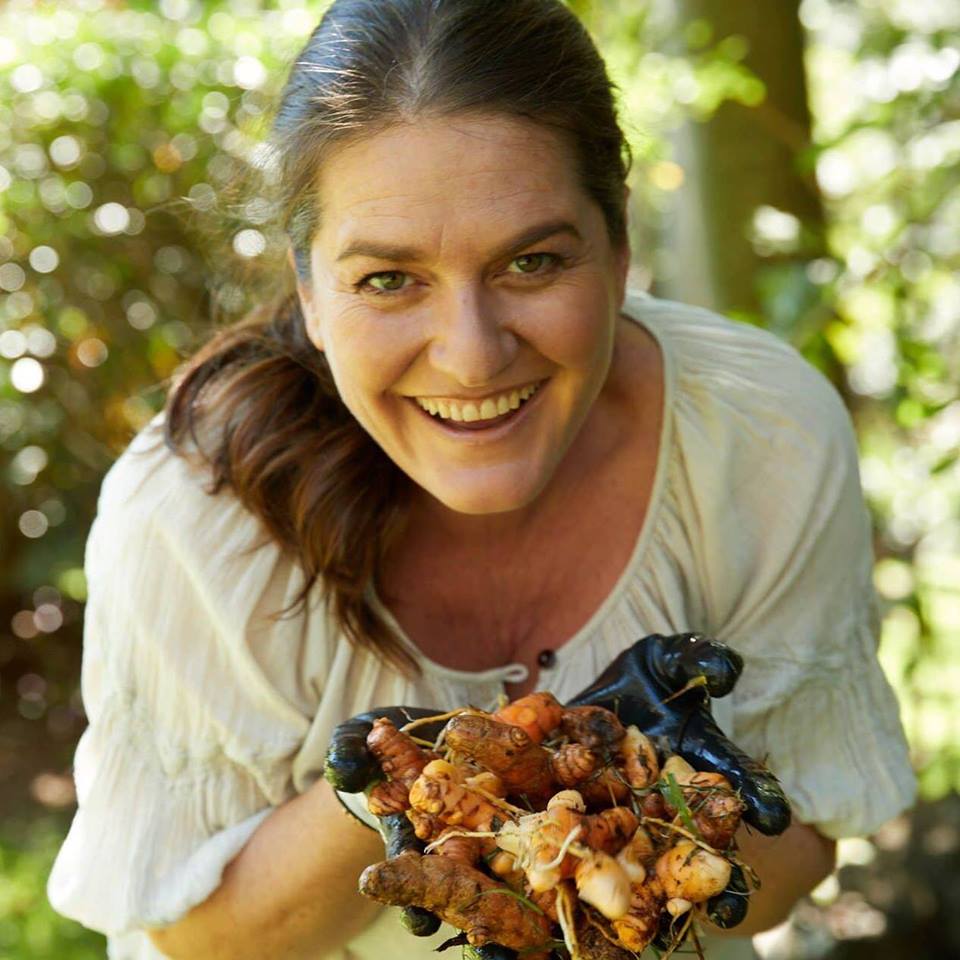
- Turmeric
- Chicory Root
- Yellow Dock Root
- Astralagus
- Skullcap.
You can take these herbs as a tea -look for the loose leaf/root in your health food store or apothecary (herbal pharmacy), or in your health food store. Or if you want/need something stronger get a supplement from your heath food store. Or for the best results consult a Naturopath or Herbalist for a ‘practitioner-only’ liquid, powder or tablets.
And in some cases you can grow your own, or find them growing wild.
Non-alcoholic Fatty Liver Disease (NAFLD) occurs when your liver has trouble breaking down fats, causing fat to build up in your liver tissue.
Nonalcoholic fatty liver disease has different stages –
1. Nonalcoholic fatty liver. In its simplest form, nonalcoholic fatty liver disease can cause excess liver fat. This condition is thought to be very common.
2. Nonalcoholic Steatohepatitis. In a small number of people with fatty liver, the fat causes inflammation in the liver. This can reduce the liver’s ability to function and lead to scarring of the liver (cirrhosis).
3. Nonalcoholic Fatty Liver Disease-associated cirrhosis. Liver inflammation leads to scarring of the liver tissue. With time, scarring can become so severe that the liver no longer functions adequately (liver failure).
A clean diet low (or void) in processed foods and high in plant foods is essential to prevent and also treat FLD. Quality oils are also needed, some fruit and lean protein.
Who’s at Risk? Anyone eating processed foods especially those containing High Fructose Corn Syrup (HFCS), white flour and sugar, and trans fats in take away food. A sedentary lifestyle doesn’t help – the chair’s the killer, long term medication, and chronic illness can also contribute to NAFLD. Other risk factors include –
Gastric bypass surgery
High (bad) cholesterol
High levels of triglycerides in the blood
Metabolic Syndrome
Obesity
Polycystic Ovarian Syndrome
Sleep apnea
Type 2 Diabetes
Underactive thyroid (hypothyroidism)
Underactive pituitary gland (hypopituitarism)
Omega 3 Fatty Acids are essential for good liver health. These days finding seafood that has been sustainably caught, processed without chemicals, line and pole caught by small scale fisherman, in glass or BPA-free tins – is tricky, but not impossible. #GoodFish is available from health food stores and specialty stores. Check out Olive Green Organics website to find a stockist near you.
Helpful foods to include when treating a fatty liver are whole grains, legumes, vegetables (especially cruciferous family, carrots and beetroot), fruit, good fats from tahini, avocado, nuts and seeds, sustainable fish, plant sources of omega 3 like chia, flax, seaweed and hemp; liver foods like garlic, leafy greens, lemons and green tea, olive oil, turmeric and grapefruit.
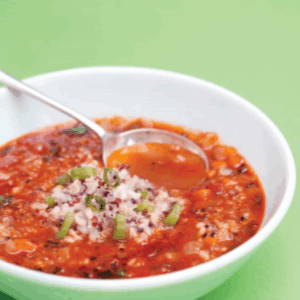
Minestrone with Kale and Mixed Grains
http://janellapurcell.com/recipe/minestrone-with-kale-and-mixed-grains/
1/2 lemon squeezed in filtered, warm water drunk first thing in the morning is a good habit to get into. We live in a pretty polluted environment so our liver is very likely be one of the the most over worked and burdened organs in your body.
An adult liver most likely weighs about 1/2 kg and is the the second largest organ in your body. The liver is responsible for detoxing and filtering harmful substances in the body as well as an array of other functions.
Green Tea is wonderful to help heal a fatty liver. Have a few cups a day.
Curcumin’s anti-inflammatory properties prevent liver damage and liver cirrhosis. Recently, researchers have discovered that turmeric’s active ingredient called ‘curcumin’ may be a potentially effective natural treatment for liver cirrhosis, an ailment where normal, healthy tissues in the liver are replaced with scar tissues.
Add it fresh or ground (organic though) to your smoothies, starry, baked veggies, grains when looking them, tea, curry or eggs.
The World Health Organization (WHO) estimates that by the year 2020, depression will be the second most common cause of ill health and premature death worldwide.
How can you help combat this? It can be as easy as lending a hand to a struggling friend, or raising your hand if you’re in need of your own help. Who knows, in five years that statistic could be wrong after all.
The power really is in our hands. I shared my top tips for managing and overcoming mental illness. See link below-
http://tearaway.co.nz/world-mental-health-day-depression-anxiety/
It’s important to reduce fat of all kind for a while – perhaps 3 months. No need to eliminate all of the good fats altogether – not at all – but be ruthless when it comes to fried foods, junk food, fatty cheeses and meats and of course trans-fats in packaged and take away foods.
Eat lots of veggies and some fruit (if tolerated), legumes, whole grains (if tolerated), good fats and oils like avocado, nuts and seeds, sustainably-caught seafood and coconut and olive oil.
Non Alcoholic Liver Disease (NAFLD) is estimated to affect approximately 30% of adults in developed countries such as Australia and the United States. However, NAFLD is becoming increasingly common in Asia where a prevalence of up to 15% has been reported in China.
The LIVER’S ROLE
The liver is the largest organ in the human body, that regulates fat metabolism and is also responsible for fat-burning in the body. Besides metabolism, other liver functions are to maintain proper detoxification and digestion.
WHAT IS NAFLD?
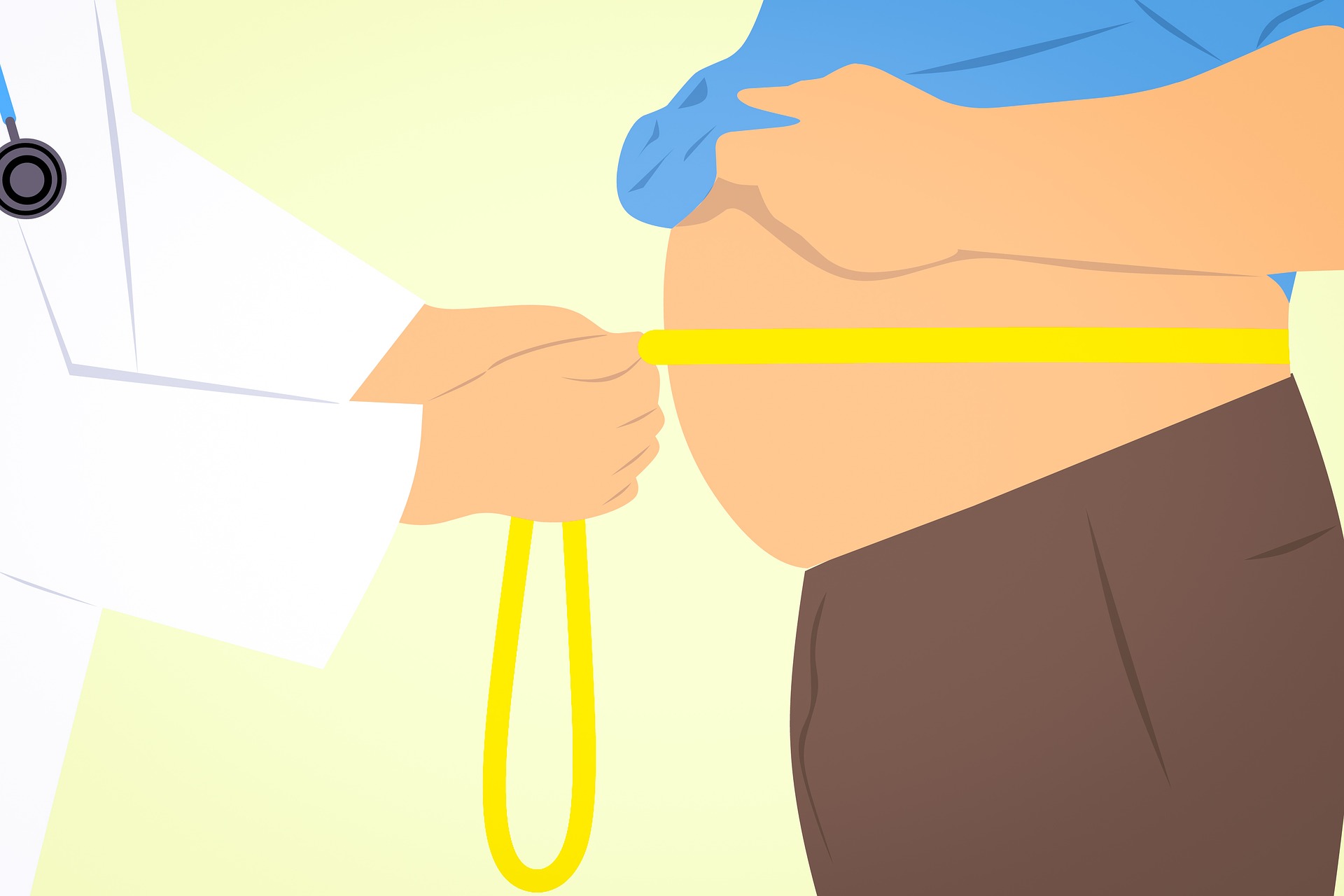
When fat makes up 10% or more of the liver, the liver is called a ‘fatty liver’. This happens because the liver is unable to break down fat at its regular rate, which leads to the build up. It’s an increasingly condition common in overweight people above the age of 30.
WHY?
Poor diet, obesity or drugs (pharmaceutical or recreational), and some health issues like diabetes can cause a fatty liver.
TREATMENT
There is no one way to a treat fatty liver – it has to be a wholistic approach specific to each patient. If the cause is alcohol consumption, then booze needs to go. (This won’t be the cause in NAFLD but in other cases of ‘Fatty Liver’ it can be.) If it’s obesity, then reducing weight is the key.
This term covers any number of harmful chemicals that do not have to be listed individually on the label. Some common ‘fragrance’ chemicals include –
Parabens: Synthetic preservatives known to interfere with hormone production and release.
Phthalates: Another synthetic preservative that’s carcinogenic and linked to reproductive effects (decreased sperm counts, early breast development, and birth defects) and liver and kidney damage.
Synthetic musks: These are linked to hormone disruption and are thought to persist and accumulate in breast milk, body fat, umbilical cord blood, and the environment.
By Janella Purcell
I’d like to stress that I am not suggesting anyone quit their medication, especially without supervision. I am posting on how to deal with mild anxiety and depression using food as medicine, good supplementation and herbal medicine, and lifestyle changes. My hope is that more of us will be better equipped to know how best to care for ourselves and not let that Black Dog in when he or she comes a knockin’.
Many recent studies are showing a strong relationship between depression and inflammation, or even that depression is an inflammatory disorder. Depression is a state of immune activation, so there is a low-grade increase in the inflammation that occurs not only in depression but in most major psychiatric disorders.
People who have the best quality diet have the lowest risk of development of depression and anxiety. We also know that diet affects immunity. Similarly we know that people who are the most physically active seem to have the lowest risks of developing depression/anxiety. Again this ties to immunity. We know that exercise reduces levels of inflammation in people’s bodies.
And let’s not forget getting enough quality sleep, regularly. 8 hours a night and an hours daytime nap. I hear you laugh at this – but it’s ideal. Any less than the 8 hours a day is likely to be adding to your toxic load, leading to oxidative stress (not good) and inflammation. Sleep! A lot!
Herbal medicine Australia
Healing naturally. The power of herbal medicine and food as support.
In today’s busy and often over-medicated world, many Australians are going back to wellness basics. They are embracing herbal medicine, natural foods, and traditional healing practices to support their physical and emotional balance. This shift towards natural living is not just a trend. It is a choice to care for the body in a sustainable, empowering, and nourishing way.
What is Herbal Medicine?
This involves using plants and plant extracts to support health and treat illness. It is one of the oldest ways to heal. It has roots in many traditional systems. These include Chinese and Ayurvedic medicine, as well as Indigenous Australian bush remedies. In recent years, in Australia, it has grown in popularity. This is due to its gentle and effective approach. It focuses on treating the whole person, not just the symptoms.
Herbs like ashwagandha, turmeric, sage, and chasteberry are often used for many health problems. They can help reduce stress, support hormone balance, and improve digestion and immunity. These natural remedies work well with the body. They have fewer side effects than synthetic options and support long-term health.
Food as Medicine
Alongside herbs, food plays a central role in natural healing. Using whole, organic, and seasonal ingredients helps lower the body’s toxic load. It also supports gut health and helps every system work well. Through natural cooking, we can fuel ourselves with life-giving nutrients that support energy, clarity, emotional stability, and physical resilience.
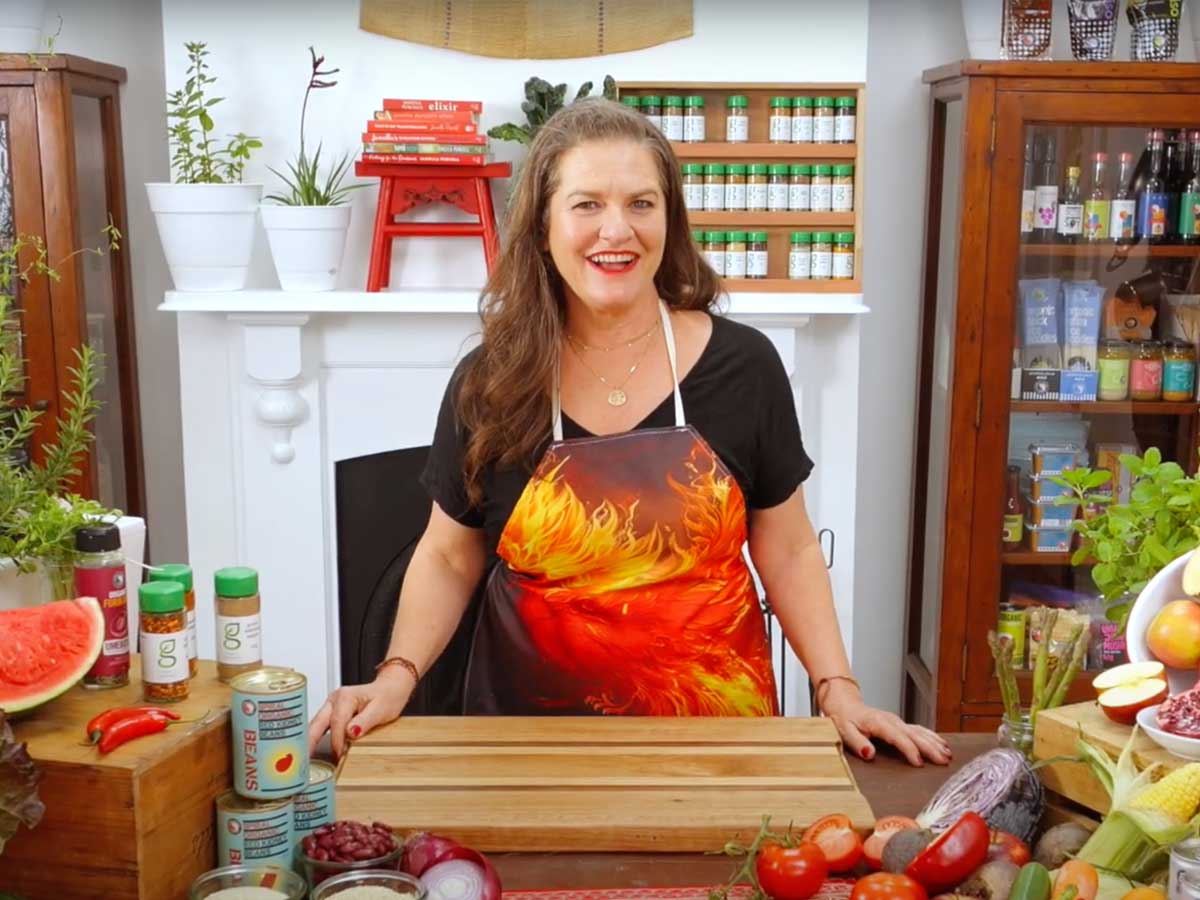
Author and naturopath Janella Purcell is a leading voice in this space. She provides recipes, advice, and tips on how food and herbs can help with many problems. These include everyday tiredness and more serious issues like hormonal imbalance and skin problems. Her philosophy is simple: eat real food, live consciously, and treat your body with kindness.
Janella’s approach combines Herbal medicine with naturopathy and wholefood nutrition, making it accessible and practical for everyday Australians. Her blog has educational posts about real-life issues. These include natural remedies for menopause, food intolerances, and emotional wellbeing. It offers a complete guide for living well.
Superfoods and Their Impact
Superfoods are nutrient-rich foods that offer exceptional health benefits. These include everyday favourites like blueberries, kale, chia seeds, turmeric, and spirulina. No food is a magic cure, but adding superfoods to your meals can have a strong positive effect.
They are known to reduce inflammation and improve gut health. They can help balance hormones and support clearer skin. This makes them a great option for those seeking natural and gentle acne solutions.
For people with sensitive skin or skin conditions like eczema, a clean, wholefood diet can help. This is where working with a naturopath eczema specialist, such as Janella, can be particularly beneficial. Using natural treatments, soothing herbs, and dietary changes, eczema sufferers often see dramatic improvements without relying on steroid creams or antibiotics.
Supporting Women Naturally
Hormonal health is another area where it shines—especially during menopause. Many women experience hot flashes, anxiety, sleep disturbances, and mood swings. Many women are now looking for natural remedies for menopause instead of hormone replacement therapy. Some of these remedies include herbs like black cohosh and red clover, as well as adaptogens like maca.
These herbs, along with healthy superfoods and calming practices like meditation and yoga, help women feel safe and supported. They can move through this stage of life with confidence and ease.
Janella writes about these changes in this Resources page. She shares tools and tips to help manage menopause naturally, without fear or confusion. Her advice combines evidence-based Herbal medicine with lifestyle guidance that reflects decades of clinical practice.
Emotional and Mental Wellbeing
It’s not just the body that benefits from natural foods and Herbal medicine—the mind does too. Chronic stress, anxiety, and burnout are at an all-time high. Eating poorly, skipping meals, or relying on processed foods can spike cortisol, affect sleep, and contribute to emotional instability.
Natural foods, superfoods, and Herbal medicine can help regulate stress hormones and nourish the nervous system. Herbs such as lemon balm, passionflower, and rhodiola are known to calm the mind. They are often suggested for people who want to boost their mood and mental clarity without using drugs.
This is part of the holistic approach Janella champions so well—caring for the whole person, body and soul.
The journey to wellness doesn’t have to be complex. By embracing Herbal medicine, natural cooking, and incorporating superfoods, we begin to shift from managing symptoms to truly healing. Whether you’re looking for natural remedies for menopause, gentle acne solutions natural, or support for chronic conditions like eczema, there’s power in returning to nature.
Through her compassionate voice and rich resource of information Janella offers Australians a path to vibrant, holistic health. It reminds us that we can find what we need to feel better in simple places. We can feel stronger, calmer, and clearer. Often, this can be found in our gardens, kitchens, and the wisdom of our ancestors.
Let food be your medicine, and let your healing begin naturally.