Living With Nature’s Rhythms...one season at a time.

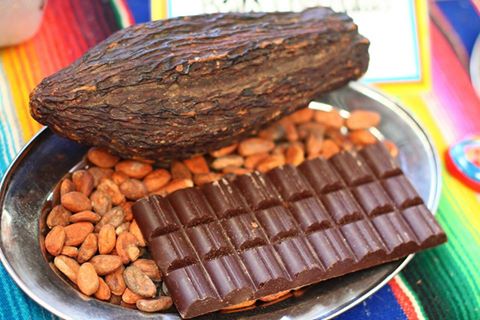
Apart from its many other virtues, raw cacao powder can increase your energy, help you find your mojo, and improve your mood. It’ll also help you remember what you were just taking about, (memory and concentration).

How does raw cacao powder increase energy?

– Cacao stimulates the secretion of endorphins, helping you to feel nicely high.
– It helps improve blood flow to the brain, thereby increasing energy levels. Some of cacao’s components that do this are –

1. Magnesium – raw cacao powder is the richest dietary source of magnesium on earth.
Magnesium is an excellent source of energy that will optimise our use of oxygen in order to boost energy and burn calories.
A magnesium deficiency, (which is not uncommon) causes fatigue, weakness, anxiety and irritability.

2. PEA (phenylethylamine) – Also known as the ‘love drug’ as apart from it helping to increase energy levels, alertness and concentration, it also heightens your sex drive.

3. Theobromine – is a mild, natural stimulant that helps us burn fat. It also increases our pleasure sensations by boosting serotonin, (a happy hormone).

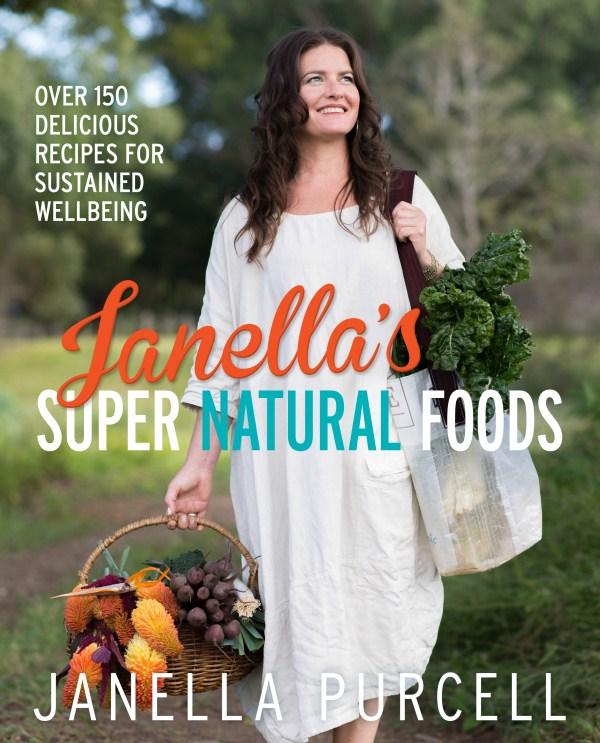
A gorgeous recipe from my latest book ‪Janellas Super Natural Foods‬.
An easy recipe using raw cacao powder and buckwheat flour. You can use brown rice flour instead of the oat flour to make these gluten free. Add 1 tbsp maca powder for extra energy boost and hormone balance.


Ingredients-

Pancakes:
1/2 cup buckwheat flour
1/4 cup oat flour
1 1/4 tsp baking powder (low allergy)
1/4 tsp baking soda
pinch of sea salt
1 tbsp raw cocoa powder
1/4 cup unsweetened soy milk, coconut, almond or rice milk
1/4 cup raw beetroot juice (approximately 1/3 of a medium beet) or you can buy it (see earlier post)
2 tbsp rice syrup, coconut nectar, or raw agave
1 tsp good vanilla esssence
1/2 a flax egg (1 tsp ground flaxseed + 2-3 tsp warm water, mixed to gel)
coconut oil for frying

Syrup:
1/2 cup raw cacao powder, extra
3/4 cup coconut oil, extra
2 tbsp cacao butter
1-2 tbsp coconut nectar or rice syrup
A few drops vanilla essence

Method –

Pancakes:

  1. In a small bowl, mix the flax with warm water and set aside to gel. Juice your beetroot and set aside. (Make more and drink it.)
  2. In a bowl, mix together the dry ingredients.
    In smaller bowl, whisk together the juice, mylk, sweetener, vanilla and flax egg.
  3. Add the wet ingredients to dry and mix till just combined. The batter will be pretty thick and gooey.
  4. Add about 1 tsp coconut oil to a (preferably) cast iron skillet and heat to low to medium heat. Pour in about 1/4 batter at a time and cook for 2-3 minutes, flipping once in between. Repeat with remaining batter.

Syrup:

  1. Place a stainless steel or glass bowl over a pot of simmering water.
  2. Add the cacao power, oil, butter and vanilla and mix well to combine. Adjust consistency with more oil or butter.
  3. Pour over the top and serve with fresh fruit like mangoes, strawberries, passionfruit or blueberries.

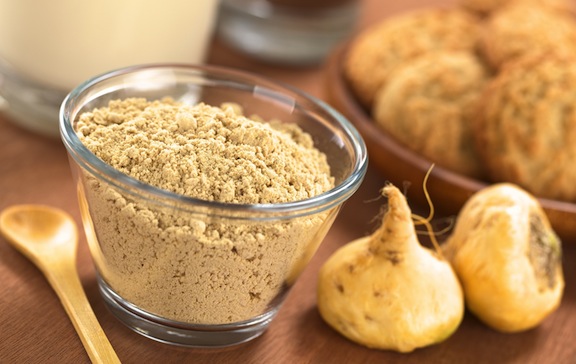
Image result for pancakes words

A root veggie from Peru – it usually comes as a powder, or capsule. Look for it in your health food store.

Add the powder to your smoothies, energy bars, Bliss Balls, or add a tsp to your Golden Milk.

It’s also great for increasing libido, healthier skin and balancing hormones.

Some people find it toooooo stimulating before bed, so have it in the morning at first.


I use these a lot in my clinic, and see the result. They are powerful plants. Adaptogens don’t work on a specific organ or system, but encourage your whole body to cope/adapt to the stress it’s under. Lovely things they are.

These healing plants will help you handle stress better by regulating the adrenal system, which manages the way your hormones respond to stress.

My favourites – Cordyceps, Reishi, Rhodiola, Holy basil, Astragalus, Licorice Root and all of the Ginsengs. 

Ask your Naturopath or herbalist about these or have a look for them in your health food store or specialist tea shop.

Caffeine. Yes or No? Recently, independent scientific research has linked a number of coffee’s compounds, including caffeine, to a series of benefits.

Caffeine boosts the release of adrenaline, making the heart beat faster, sending more blood to your muscles and getting your liver to release sugar into the bloodstream for energy. So far so good.

So it seems that yes, after all – a moderate amount of naturally occurring caffeine from coffee can have healthy, energising benefit – but overdoing caffeine can be harmful. And that level is individual to each of us. (If you’re suffering with ‘Adrenal Fatigue’ (AF) and it’s accompanying symptoms, then it really is best to avoid caffeine of all types for a while.)

Personally I can have one (2 at a stretch) in the morning – and love it, but if I have one anytime after lunch I get queasy, jumpy and just feel awful.

Please avoid instant coffee, unless organic, and try to drink and eat only organic, and preferably ‘fair trade’ coffee beans. And locally grown if you can source it.

Byron Bay hinterland (my home) has been producing some pretty fine coffee beans for over 15 years now. ‘The sub-tropical climate and rich volcanic soils of the Byron Bay hinterland create an ideal climate for growing premium coffee. Mild temperatures, lots of rain, and a thick layer of rich volcanic soil. And grown organically.’ Byron Beans Coffee


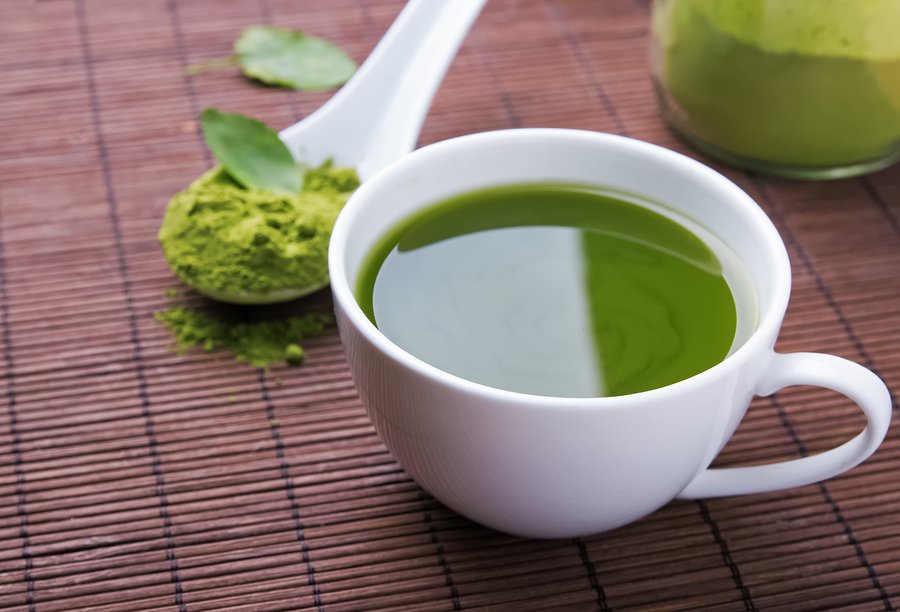
Matcha Tea provides an energy boost without the coffee crash headache.

Matcha literally means ‘powdered tea’ – a form of green tea that is usually grown in Japan.

With Matcha you consume the entire chlorophyll-rich leaves that have been handpicked, steamed, dried and ground into a fine green powder. As opposed to traditional (green) tea where the leaves are infused into hot water via tea bags then discarded.

Check it out in your health food store, specialist tea store or hipster cafe.


If you aren’t getting enough sleep – your hormones will suffer and you’ll have a vicious cycle of food cravings and an increased appetite. (See earlier posts for recommended hours of sleep.)

During sleep, leptin (the chemical that tells your brain when you’re full) levels increase, telling your brain you have plenty of energy for the time being and there’s no need to trigger the feeling of hunger or the burning of calories. Happy days!

When you don’t get enough sleep, you end up with too little leptin in your body, which makes your brain think you don’t have enough energy for your needs. Eek!

So your brain tells you you’re hungry, even though you don’t actually need food at that time, and it takes steps to store the calories you eat as fat so you’ll have enough energy the next time you need it.

The decrease in leptin brought on by sleep deprivation can result in a constant feeling of hunger and a general slow-down of your metabolism.

Suddenly feeling like a nap? Me too, and it’s only 7:30am. Too early?


This is a good habit to get into, especially if you’re chronically (long term) tired and your evening sleep isn’t helping you get on top of your fatigue.

Try to put the guilt to one side and realise you actually really NEED to nap to get back to somewhere near your old energy levels

napping Herbal medicine,natural remedies for menopause,acne solutions natural,Australia

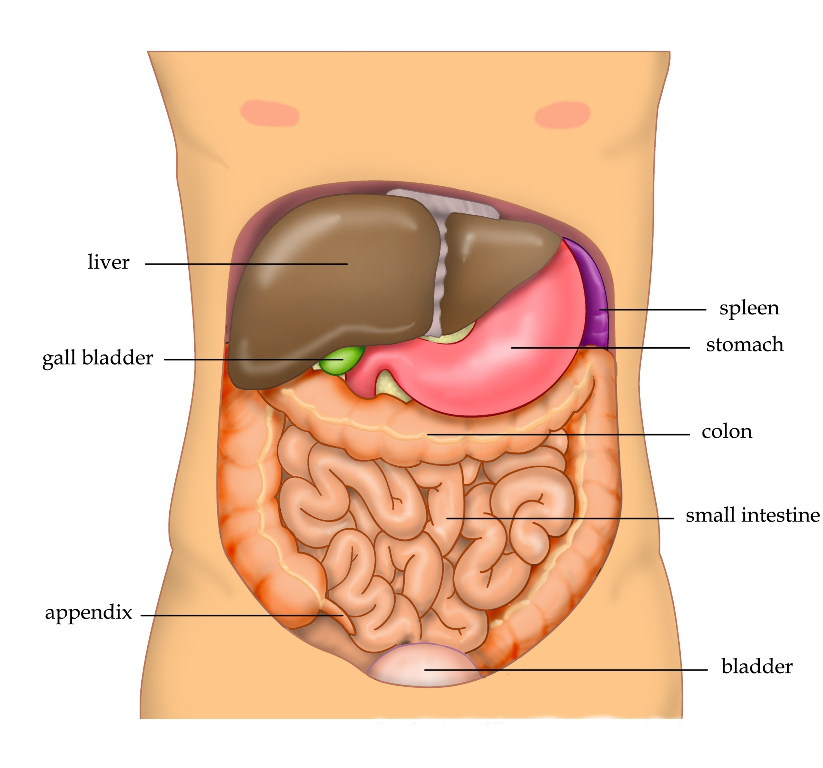
Our livers are responsible for detoxing our bodies every day. In this toxic world, we are overburdened with toxins. We come into contact with WAY more toxins in our modern world, compared to even last century. When we do not properly support our body’s natural detoxification system it can quickly become overburdened and lead to other issues.

liver-smoothie

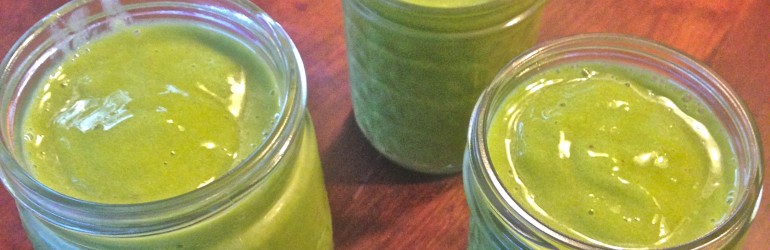
So let’s give our livers a little assistance and help boost the detoxification process with a healthy diet and a cleansing smoothie! Click image for Smoothie recipe (below):
Janella’s Green weightloss Smoothie

We need to maintain a healthy liver for many reasons. The liver works hard to maintain the right balance of hormones in the body. When it’s working effectively the liver will remove excess estrogen and toxins from the body. When it’s not – we have trouble, and more than just a hormonal imbalance.

Turmeric, St. Mary’s Thistle, Dandelion Root, Schisandra and Holy Basil (Tulsi). Have these as a tea, supplement or herbal tincture.

DIM also helps to remove excess oestrogen from the body via the liver. It’s available as a supplement and also found in broccoli, cauliflower and kale.

Curcumin’s anti-inflammatory properties prevent liver damage and liver cirrhosis. Recently, researchers have discovered that turmeric’s active ingredient called ‘curcumin’ may be a potentially effective natural treatment for liver cirrhosis, an ailment where normal, healthy tissues in the liver are replaced with scar tissues.


LIVER STAGNATION (overload) can cause a sensation of having a lump in the throat or neck or distension in the breasts or abdomen, menstrual problems, a red face, issues with your nails, headaches, allergies, skin problems like acne, gut issues, PMS and other hormonal imbalances, thyroid issues, adrenal problems and so much more.

Liver qi stagnation acupressure points below. Press on these to relieve symptoms.

9fc3ab31267609df11771848704b09a0 Herbal medicine,natural remedies for menopause,acne solutions natural,Australia

Spring has officially started now – as of the Equinox on Saturday, so I thought it a good time to highlight our major organ of DETOX.

Liver pic Herbal medicine,natural remedies for menopause,acne solutions natural,Australia

The liver is responsible for detoxing and filtering harmful substances in the body as well as many other functions. Thanks to a pretty toxic environment – both inside and outside your home – your liver is likely be one of the the most overburdened organs in your body. It is after all ‘the major organ of detox’.

How long should I detox?

I don’t recommend short, intense detoxes. They can be dangerous, not to mention make you feel awful for a few days, then quite often you’re back to your old ways once it’s over. Sure, it’s good to give your liver (and kidneys) a break, but why only for a few days or weeks?

There are some wonderful veggies, seaweeds and other foods that really do help your liver detox more efficiently, but I recommend we include these as part of our diet for the process to be ongoing. As for what to leave out, animal products are not essential to a balanced and healthy diet. Quite the opposite in my opinion. Sure, you can include them, but occasionally, not daily. If you reduce your intake of animal products and all refined and processed foods, then automatically you’re going to be healthier, happier and slimmer. It’s important to include lots of veggies from the cruciferous family. These are cabbage, broccoli, cauliflower, brussels sprouts and turnip. Don’t forget to include kale where you can (high in antioxidants). Other things high in antioxidants are raw cacao powder and any other organic fruit or veggie.

Liver herbs to include are dandelion root, Schisandra, turmeric (as it is high in antioxidants and has a good effect on the liver), calendula to help the lymph glands eliminate toxins, and digestive herbs to aid good elimination.

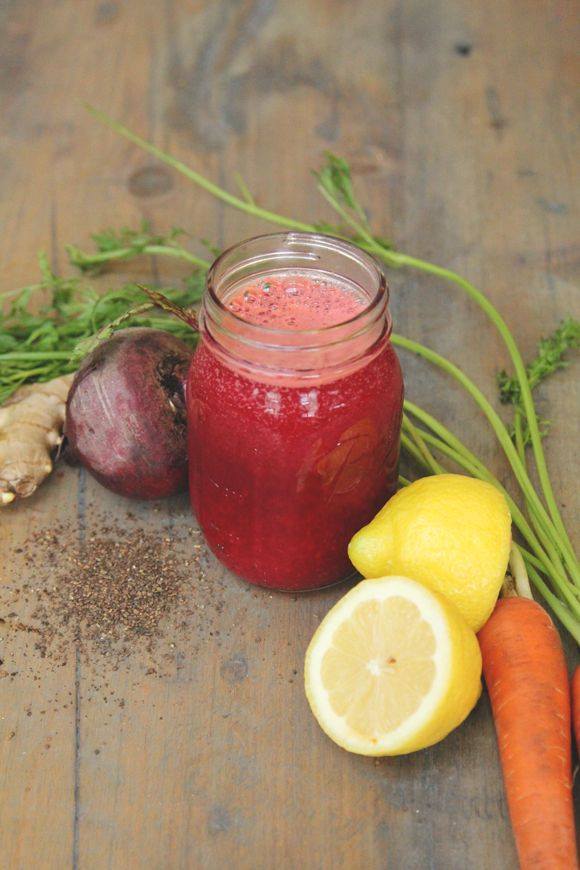
If you still really feel like you want to cleanse, then try a juice fast for a week. Drink veggie not fruit juice; so things like beetroot, celery, carrot, kale and add some ginger, turmeric and lemon.

Eat the cleanest, most unprocessed, best quality food you can afford

Manuka Honey is made by our beautiful and generous bees that feed on flowers of the manuka bush, also known as the tea tree in New Zealand.

In Australia, the tree used to make manuka honey is called the Jellybush. (I get my #Jellybush honey from the Mullumbimby Farmers Market on Fridays. From Gary at #TheHoneyWagon. This batch has a tested and proven anti bacterial level of 21 – which is very high. Starts around 5 and average probably 8-12.)


#MG is a compound found in most types of honey, but usually only in small quantities. It is MG that is thought to give manuka honey some of its antibacterial power. The higher the concentration of MG, the stronger the antibiotic effect.

In #manuka honey, MG comes from the conversion of another compound – dihydroxyacetone – that is found in high concentration in the nectar of manuka flowers.

Honey producers have developed a scale for rating the potency of manuka honey. The rating is called UMF, which stands for ‘Unique Manuka Factor’.

The #UMF rating is thought to correspond with the concentration of MG and other compounds. Not all honey labeled as manuka honey contains significant levels of antibacterial factors.

To be considered potent enough to be therapeutic, manuka honey needs a minimum rating of 10 UMF. Honey at or above that level is marketed as “UMF Manuka Honey” or “Active Manuka Honey.”

So why is Manuka Honey so fab’? Soooooo many reasons including –

– Fights anti-biotic resistant bacteria (without the nasty side effects)
– 4 time stronger standard antiseptic (without the nasty side effects)
– Improves Anaemia
– Treats sore throats
– Used internally and externally, it can be used to fight infection and inflammation
– Faster wound healing
– Improves hay fever, sinus and eczema (apply it
topically also)
– Manuka Honey has strong antimicrobial activity against multi-drug resistant pathogens
– Used topically, it can disinfect minor cuts and scrapes and relieve burns by applying directly to the affected area and can be used as a healing mask for acne prone skin.

For topical use, apply 3 times a day on the affected area (mix with essential oils if you like.). Internally, take 1-2 teaspoons half an hour before meals. (Or any time if you forget.)

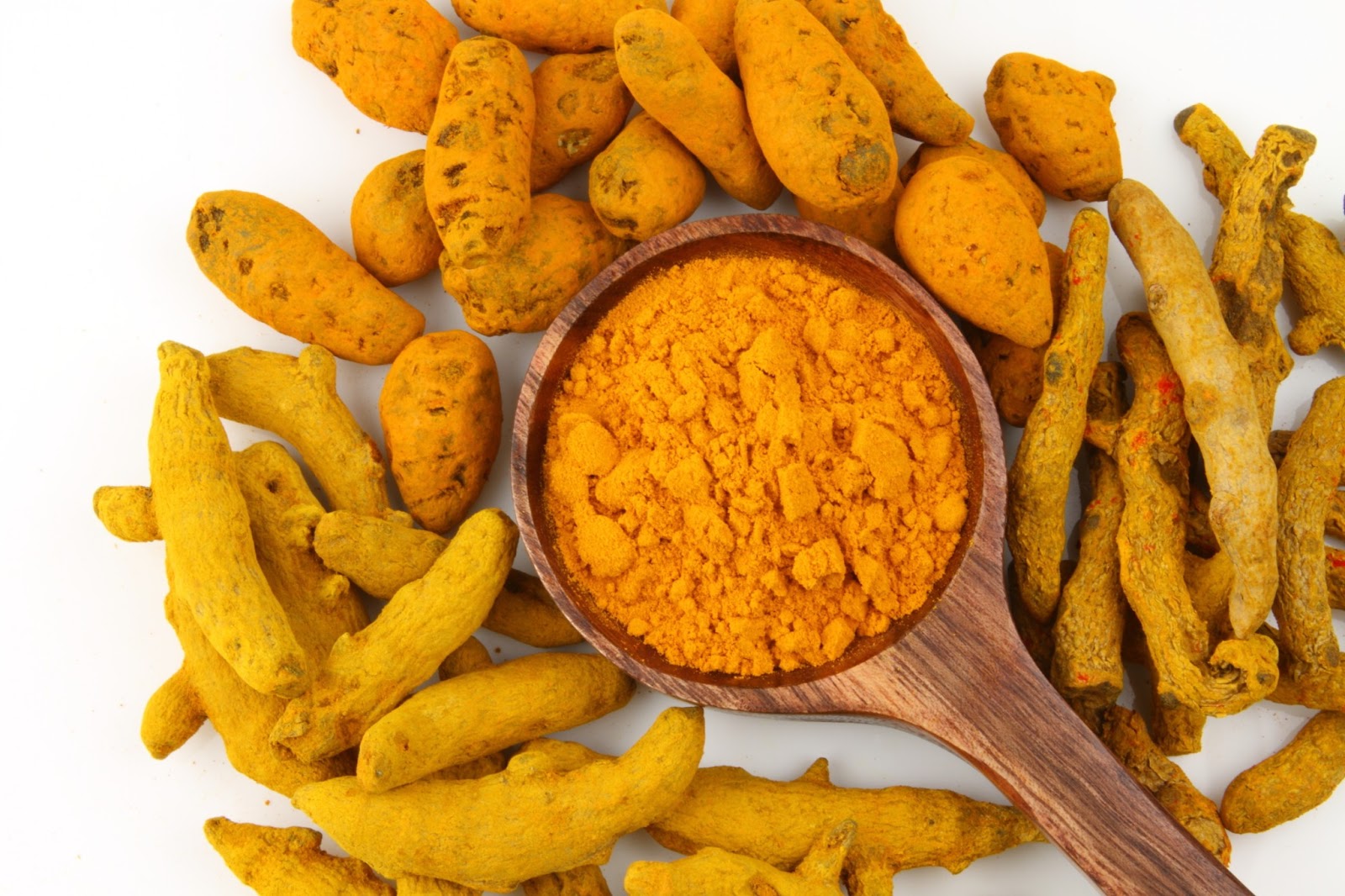
It’s medicinal properties and components (primarily curcumin) have been the subject of over 5,600 peer-reviewed and published biomedical studies.

Grate the fresh rhizome (root) into your cooking, or use organic ground turmeric, or make a turmeric paste or oil; u can take it as jamu (a drink with lemon and water), or take the capsules or a herbal tincture. I pop a small piece into my smoothies most days. (See my website for recipes)

Turmeric was proven to be as effective as 14 different drugs, among them are the anti-inflammatories – aspirin, ibuprofen, sulindac, phenylbutazone, naproxen, indomethacin, diclofenac, dexamethasone, celecoxib, and tamoxifen.
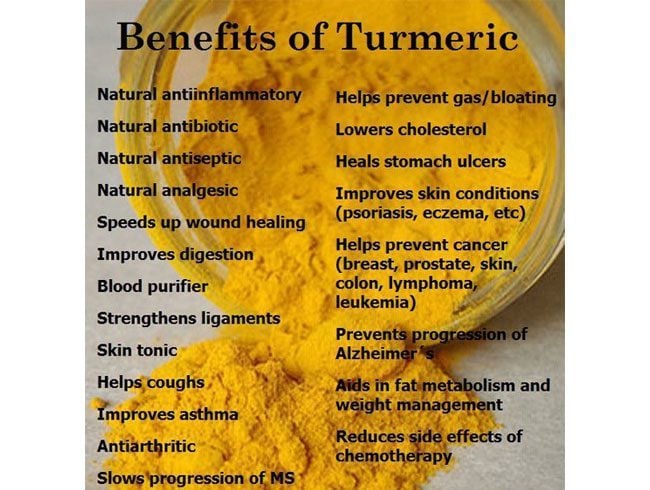
Image result for turmeric benefits

http://www.greenmedinfo.com/…/science-confirms-turmeric-eff….
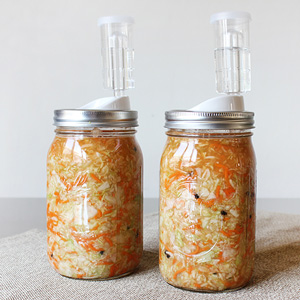
Cabbage has been proven to have anti-microbial, anti-bacterial and anti-biotic properties.

The properties of cabbage are increased once it has been fermented. (Eg. sauerkraut and other fermented veg’.)

Cabbage has been found to combat H. Pylori bacteria, which has been identified as a major cause of stomach ulcers. It’s now recommend for any gut, liver, skin or immune condition – and so much more.

Check out this Blog I’ve written for more details, plus how to make and use them at home.

http://janellapurcell.com/benefits-fermented-foods/

Myrrh has been in the medicine chest of traditional healers for hundreds of years. It is valued for its antiseptic, antibiotic and antiviral properties.

Myrrh has anti-bacterial, anti fungal and analgesic (pain relieving) actions and is commonly used for oral bacterial infections (such as mouth sores), bronchitis and sore throat.

Its also traditionally been used to treat lung issues and other bacterial infections.

Myrrh can be taken internally (as a herbal tincture) and used externally as a gargle or wash for wounds. Look out for the essential oil.

Only use Myrrh in the acute (right now) phase of an illness. It’s not recommended for prolonged use.

Like Frankincense, Myrrh oil (Commiphora myrrha) is extracted from resin that oozes from very tough bark. It has a sharp, strong, woody scent.

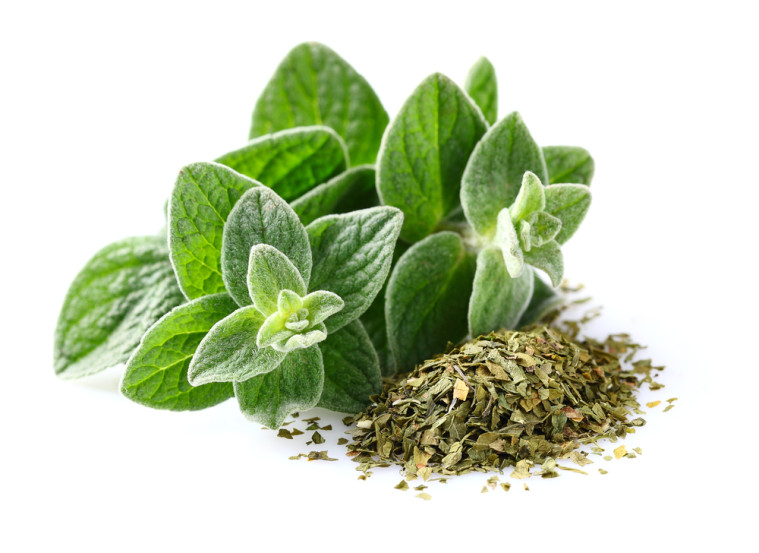
Image result for myrrh

Origanum Vulgare is one of the world’s greatest sources of Thymol. Thymol destroys microbes.

It’s such an effective antibiotic that more and more poultry farms have started using it to reduce the use of pharmaceutical antibiotics in animals.

Just recently, Oil of oregano was found to be significantly better than all of the 18 currently used antibiotics in the treatment of the MRSA staph infections.

Use it treat a sore throat, strep. throat and sinus. And it can also be used for any bacterial or viral infection. It’s also anti-fungal. (Think SIBO, Candida…)

It’s important not to confuse the Oregano we use for its anti-bacterial benefits (Origanum Vulgare) with the common oregano that is used as a spice for cooking – Origanum Marjoram. So when you’re choosing a bottle to purchase make sure its the right one and that the carvacrol concentration is at least 70%.

It’s very strong tasting so dilute it in a little water (or straight beetroot juice). Take as directed on the bottle you get, but generally it’s 5-8 drops 3 times a day – for 7 days. (Capsules are available also.) #oreganoOil


ANTI-INFLAMMATORY Smoothie – for arthritis, eczema, headaches, frozen shoulder, tendonitis, endometrioisis, migraines, menstrual difficulties and other inflammatory conditions.

To reduce inflammation even faster – include Lifestreams ‘Chlorella’. Rich in Vitamin D and, know as the great cleanser. Perfect coming into Spring when our livers likes a bit of a clean out.


Article: Janella Purcell’s Healthy Habits For Thyroid Health

thyroid |ˈθʌɪrɔɪd|
noun
1 (also thyroid gland) a large ductless gland in the neck which secretes hormones regulating growth and development through the rate of metabolism. [ as modifier ] : thyroid function. thyroid hormones.

It’s a small gland with big responsibilities, yet the thyroid”a butterfly-shaped gland in the neck”often suffers due to excess stress and nutrient-deficient food, with almost 500,000 Australians dealing with long-term thyroid disorders.

Diagnosis can either be hyperthyroidism (too much) or hypothyroidism (too little) hormone production, leading to symptoms including, but not limited to, exhaustion, constipation, depression, hair loss and, in women, heavy menstruation.

While relatively rare, thyroid cancer can also develop, with 3,435 Australians expected to be diagnosed in 2020.

It’s a disorder that manifests due to a variety of factors”many preventable”says naturopath, nutritionist and Lifestream wholefoods ambassador Janella Purcell.

‘Our thyroids have been really affected in recent times thanks to lack of iodine and selenium in the soil, nutrient-deficient, highly processed foods, manmade chemicals and stress,” she says.

‘The thyroid gland is located below the larynx in our throat and secretes hormones to regulate many metabolic processes, including growth and energy expenditure. When it is not functioning properly, our overall health sufferers”but there are steps we can take to help foster healthy, balanced thyroid function.”

For those who suffer from a thyroid condition, there are some simple healthy habits that can be adopted, says Janella, under the supervision of a health professional.

1. Top Up With Selenium

The main food sources of selenium in Australia are meat, poultry and game products; cereal products, fish and seafood. However soil concentration of selenium varies widely and affects levels in plant food. Australian soils are known to be selenium deficient, therefore our food is often lacking this essential trace element. Selenium is necessary for antioxidant protection and optimum immune and thyroid metabolism. I recommend Lifestream Natural Selenium, a wholefood source, cultured from selenium rich yeast that is 100% organically bound. High selenium yeast has emerged in recent times as the preferred option for selenium supplementation because it is natural and contains a wide range or organically bound selenium-rich proteins.

According to a 2014 Australian Health Survey, 3% of males and 6% of females aged two years and over did not meet their requirements for selenium intake. Amongst those 71 years and over, approximately one in 10 had inadequate selenium intakes (12% of males and 10% of females).

It’s important to note that selenium may be toxic in high doses. Adults should take no more than 150mcg of selenium supplementation daily. Check with your health practitioner if you’re unsure.

2. Supplement With A Wholefood Iodine Source

Iodine is an essential nutrient required for the production of thyroid hormones, which is important for normal growth and development”especially the brain. Add Lifestream Bioactive Spirulina, sea veggies, Himalayan salt, cranberries, organic yoghurt, navy beans, potatoes and strawberries to your daily diet under the guidance of a health professional if on thyroid medication.

3. Drink Lots Of Clean, Alkaline Water Daily

Water helps your metabolism function more efficiently, and can help reduce your appetite, reduce water retention and bloating, improve your digestion and elimination, and combat constipation. If the taste of plain water doesn’t appeal, add a squeeze of cleansing, Vitamin C-rich lemon.

4. Choose Organic, Fermented Soy Over Processed Soy

Limit overconsumption of soy, especially processed and high-phytoestrogen forms of soy, like shakes, powders, soy milk and bars. Soy both acts as a goitrogen, and inhibits thyroid hormone absorption. You can either eliminate soy altogether, or limit it to organic fermented forms, like tempeh, in small quantities and not as a primary protein replacement. Non-organic soy is likely to be grown from genetically modified seed and sprayed with pesticides.

5. Limited Goitrogen Foods (Particularly For Hyperthyroidism)

These are naturally occurring substances in certain foods that can cause the thyroid gland to enlarge, which is called a goiter. Goitrogenic foods can also function like an antithyroid drug and actually slow down the thyroid and make it underactive (hypothyroidism). If you are hypothyroid, you don’t need to avoid goitrogenic foods entirely. The enzymes involved in the formation of goitrogenic materials in plants can be at least partially destroyed by heat, allowing you to enjoy these foods in moderation if they are steamed or cooked. These are broccoli, cauliflower, Brussels sprouts, cabbage, kohl rabi, turnip, kale and soy.

A sought-after naturopath, nutritionist, medical herbalist, iridologist and chef, Janella Purcell has been a regular on Australian television with appearances on Masterchef, and as the ‘good chef” on Good Chef, Bad Chef. She is also a regular contributor, columnist for many of Australia’s best-loved magazines, newspaper supplements and websites.

As an author, Janella has four best-selling books, including Eating for the Seasons, which won the ‘best health and nutrition” category at the International Gourmand Awards. Janella’s Wholefood Kitchen was also shortlisted for the prestigious award. Janella’s Super Natural Foods was released in late 2014.

Janella has combined her vast knowledge of food and nutrition to create a multi-disciplined approach to health and wellbeing. Dedicated to a core philosophy of food as medicine, the wholefood chef teaches how to get the most out of our meals – and how to avoid the pitfalls. She has been working with wholefoods since childhood and honing special diets for the past 15 years. Janella has personally used Lifestream products since her career began and officially became the brand’s ambassador in 2014.

Besides her wholefood workshops, media appearances and online work, Janella can be found consulting with clients at her Natural Food and Medicine Store in Sydney’s Surry Hills, as well as from her clinic in Bangalow, Northern New South Wales.

Before spirulina and aloe vera were household names, Lifestream produced these two highest quality, best-selling natural vegan supplements”and as a result, cemented its reputation as market leaders and innovators.

Since then, Lifestream’s entire product range has followed suit, with an extensive range offering consumers a choice above synthetic natural supplements, with only wholefood sourced ingredients.

Lifestream has always produced clean, green and 100% natural, vegetarian and vegan-friendly products. Their uncompromising commitment to such excellence has resulted in a high level of loyalty with our customers. For 30 years, Lifestream, which is distributed in Australia by Planet Health, has embodied purity, consistency, quality and integrity.

Lifestream’s extensive range encompasses superfoods for nutrition, along with wholefood alternatives for individual vitamins and minerals.. See entire product range here.

It doesn’t have to be your normal though. I was diagnosed with Endo’ at 18, some 30 years ago now. I’m happy to report it hasn’t given me any trouble at all for many years now. It’s possible to beat it. Yes it is!

Since writing the below excerpt, I now have added some wonderful new herbal medicine to my dispensary (well new to us in Oz) to treat Endo’. These are estrogenic herbs like kudzu and magnolia, I also use adrenal herbs like reishi, cordyceps, withania, rhodiola and liquorice; cinnamon for its warming effect and its good influence on blood sugar, and I always a liver herb like Dandelion Root and St Mary’s Thistle and an immune herb like turmeric, echinacea, holy basil or reishi.

(Excerpt form my first book ‘Elixir: How To Use Food As Medicine’.)

‘Once thought to affect only women over 30 years of age who hadn’t had children, we now know endometriosis can occur in women of any age at any time after the onset of menstruation.

It is thought to affect about 10 to 20 per cent of all women, but this estimate is likely to be higher. Women most affected may have menstrual cycles that are regularly shorter than 27 days. It also seems to be somewhat genetic—mums are likely to pass it on.

Affected women were once advised to ‘have a baby’ or ‘a hysterectomy’. Both suggestions to a young girl seem ludicrous to me. I was diagnosed with endometriosis at the age of 18, but I am certain I had it from the time of my first menses. (I’m sure my mother and paternal aunty had it too, but in those days they didn’t have a name for it.)

Some women with endometriosis may be symptom-free but others experience a range of symptoms, including:

• pain in the uterus, lower back and pelvis
• pain before and during menstruation
• painful intercourse
• breakthrough bleeding
• bleeding with intercourse
• intermittent pain throughout the cycle
• large clots during menstruation
• nausea, vomiting and/or constipation during menstruation
• infertility
• mood swings and/or depression
• iron deficiency due to a heavy flow.

Herbs to take

• dang gui is often taken alone in the East for menstrual difficulties (in the West we use Angelica archangelica as a substitute)
• Vitex agnus-castus (chaste tree) is important here, as it will regulate your cycle and balance your hormones
• Ginkgo biloba increases and stimulates circulation to the reproductive organs; it will also help with scar tissue
• turmeric is a good anti-inflammatory, liver tonic and oestrogenic
• calendula helps to keep lymphatics in good order, which seems to be a problem with endo
• golden seal is good for reducing inflammation in mucous membranes
• chen pi (mandarin peel) is great for improving digestion and reducing ‘damp’ conditions
• St John’s wort is a good antidepressant and anti-inflammatory; it also helps with related sciatica’

Endo’ is a debiltating, complex and very painful condition that greatly affects your fertility (and weight and mental state). You’ll need a (invasive and expensive) laparoscopy to be properly diagnosed, but that’s not always necessary or advisable. See, an experienced Naturopath to treat Endo’ using herbs, supplements, diet and lifestyle changes.

Arthritis affects women 3 times more than men. Arthritis, like other conditions that end in ‘itis’ – sinusitis, laryngitis and colitis – is an inflammatory condition.

Avoid
Refined and highly processed oils also need to be avoided. These are the type that usually come in big plastic bottles labelled vegetable, palm or canola oil, and margarine also has no place on this earth. GMO crops by their very nature are terribly inflammatory so really need to be watched out for and avoided. They not only cause inflammation but also destroy any chance of proper mineral absorption, which can reduce bone density. Acidic foods will also cause cartilage to dissolve, causing bones to rub together and become even more inflamed. These foods have to be removed or at least seriously reduced. Red meat is another acid-forming food, as is cow’s dairy, refined white flourand grains and sugar.

Alkaline
There is so much food out there that we are only just starting to explore. This also means that we’ve been eating too much of the same food for far too long now. And it’s been mainly highly processed and refined food with a long shelf life. By the way, asparagus is the only truly alkaline vegie, and melons being the only alkaline fruit. Introduce sprouts, cereal grasses and sea vegies to alkalise your diet.

Chew
By chewing your food you are increasing its alkalinity, so slow down your eating by practising ‘mindful eating’ – be aware of chewing every mouthful and savour every flavour and texture. Meditation, peacefulness, love, yoga and kindness all have a wonderfully alkalising effect also.

Apple Cider Vinegar
Drinking about one tablespoon of raw apple cider vinegar diluted in a third of a cup of warm or room temperature (clean or preferably alkaline) water once a day is a great way to aid digestion and alkalise your body. This stuff is magic. If you find it too difficult to ‘stomach’, then mix a little raw honey, as honey is neutral on the acid/alkaline chart.

Turmeric
Turmeric is a wonderful spice to add into your daily life along with its cousin, ginger. Either grate them into your smoothie or add either or both to your casseroles, grains, soups or roast vegies – perhaps add some garlic for it’s strong medicinal qualities also.

Aloe Vera
The pulp from this wonderful plant has ‘mucilaginouos’ qualities, which means it will help to bulid up cartlaige. For best results, drink the juice on an empty tummy. http://au.planethealth.com.au/aloe.aspx?view=category

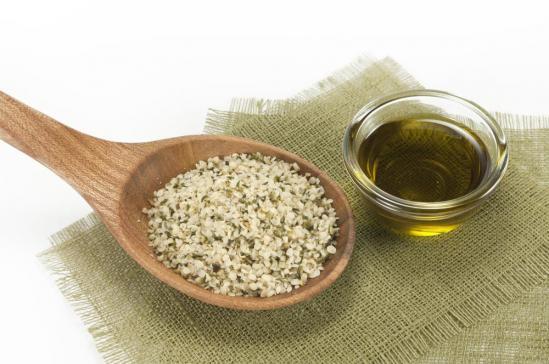
Hemp
Hemp is wonderful for reducing pain and the other symptoms of arthritis, thanks to its wonderful
omega oils working their anti- inflammatory magic. Use the seeds in your smoothie or sprinkle them over just about anything, keeping them raw. The oil is wonderful to use in a salad dressing or topically on affected areas.

Zinc
Zinc improves immunity so include foods high in this mineral – pepitas, alfalfa, mushrooms, oysters and nuts.

Vitamin C
Vitamin C is an anti-inflammatory vitamin found in abundance in the Australian bush tucker food, gubinge (aka Kakadu plum). This stuff is seriously high in vitamin C. It comes as a powder from health food stores, so again add it into your smoothie, or sprinkle a teaspoon over your meals before serving. (Vitamin C doesn’t like to be heated.

Micro Greens
Micro greens, such as barley, wheat grass and spirulina, are wonderful for not only their ‘cooling’ effect, but also due to their mineral and enzyme- dense nature, plus they’re alkalining. I use Lifestream green powders like ‘Essential Greens +’, ‘Ultimate Veggies’, #chlorella and #spirulina.

Image – hot lemon water with grated fresh ginger and turmeric, cayenne and raw honey. Make it a morning ritual. #lifestream

Immunity

There are many reasons we get sick. Stress is a big one, poor quality food is another. Not getting enough sleep and rest is up there as a major contributor also. Over prescribing of medication can also affect out immune system as can a broken heart or a shock.

Hippocrates said something similar to ‘all disease starts in the gut’. Well I don’t know if it’s 100% of disease as there are other factors that play a part, but If 80% of our immune system is located in our digestive system, then having a healthy gut just got a whole lot more important. It seems having a strong immune system is our number one defense.

An optimal balance of intestinal bacteria is about 85 percent “good bacteria” and 15 percent “bad, and an imbalance is the nutritional cause of most health issues.

Of course a poor diet will affect the bacteria, and sometimes a probiotic supplement will be necessary to get the balance back. This doesn’t necessarily need do be a long term thing, but at certain times like when you’re taking antibiotics, travel to a foreign countries, eating too much sugar or refined grains, or in times of great stress – they are indeed very useful. They’re also useful as the helpful bacteria produce a substance that kills harmful microbes that will help to prevent allergies, among other symptoms.

Food to Include

Garlic and its juice: Garlic is one of the best medicines in the world. It has natural ‘germanium’ which will help to boost immunity, and is antifungal and antibacterial, just to name a few of its actions. If you’re cooking your garlic, ideally crush it up and let it sit for ten minutes before adding it to your recipe. It needs this time so that the enzymes can create the healing phyto (plant) -chemicals we need.

Fermented Foods: Historically, people used cultured or fermented foods to support their intestinal and overall health, way before the invention of the probiotic supplement. Yoghurt, quark, sauerkraut, kim chi and miso paste are good sources of natural, healthy bacteria. One of the best and least expensive ways to get healthy bacteria through your diet is to make your own kefir using raw cows or goats milk, or even coconut water. Add some kefir granules – available from your health food store or on line – in some raw milk, which you leave at room temperature over night. This kefir will have loads more active bacteria than you can possibly purchase in any probiotics supplement,

Micro Greens: Wheat grass, chlorella, spirulina and barley grass are chock full of minerals and enzymes. The enzymes are both anti-mycotoxic (mycotoxins are released by yeast/fungal infections) and antioxidant, while the minerals play an important role in keeping cellular communication channels open.

Hemp: Look for the seeds, oil or protein powder in health food stores.

Flaxseeds:  A good source of vitamin E so will naturally be immune boosting

Others: Oranges, pears, peaches, organic soy products, oysters, clams, dried ginger, green beans, pearl barley, shallots and onions. Royal jelly or propolis will be helpful for bacterial infections and immunity. Check for allergies though.

Dried ginger when you are well. Fresh when you are sick, to promote sweating out the pathogens

Garlic is a great immune booster and anti-viral

Manuka and the Australian version – Jelly Bush Honey are fabulous

Garlic, cayenne and shitake broth is antiviral, antibiotic, immune boosting and a diaphoretic (promotes sweating)

Celery and lemon juice for a cold with fever

Those high in bioflavonoids like cabbage and green capsicum

Shitake Mushrooms. Especially strong immune boosters and anti viral

Mushrooms (button). Improves immunity against disease-producing micro-organisms

Fresh fruit & veggies especially yellow, green, orange and red. These are high in vitamin A which enhance immunity

Spelt. A whole-grain with a great capacity to strengthen immunity

Specific Nutrients

Vitamin C:     Gubinge is the Nyul Nyul language name for the Kimberley version of the Kakadu Plum. It is wild-harvested from the Dampier Peninsula just north of Broome and is the highest natural source of vitamin C on the planet. Look for it in health food stores.

Camu Camu is traditionally made into a juice by people of the rainforest to support the immune system, ward off viral infections, and help maintain optimal health, especially under conditions of stress and anxiety, which tend to deplete the immune system. Camu Camu has been used by ancient cultures to help promote healthy gums, eyes, and skin and also support the functions of the brain (nervous system) and heart (circulatory system). It has a Vitamin C percentage of over 12%. As Camu Camu is a whole food in its natural form, your body can absorb the nutrients contained within it much more effectively as compared to a synthetic supplement.

Other places to get Vitamin C – rockmelon, goji berries, kiwifruit, acerola cherries, black currants, guava, oranges, red capsicum, strawberries and broccoli.

Iron:             Organic tofu, soybeans, pumpkin seeds, quinoa, alfalfa, arame, broccoli, cherries, chick peas, kale, micro-algae (spirulina etc), parsley, seaweeds

Zinc:             Wheat germ, pepitas, oysters, miso, alfalfa, sardines, legumes, mushrooms, pecans, soybeans, seafood, sunflower seeds

Vitamin A:     kale, spirulina and any green red, orange or blue veggie

Vitamin E:     hazelnut, sunflower, almond and olive oil

Co Q10:        as a supplement

Selenium:     3 – 4 Brazil nuts a day will be enough


Lifestyle factors                       

Sleep. It is important to get at least 8 hours sleep a night, and if possible an hours nap during the day. Less than this will lead to oxidative stress.

Reduce or stop smoking, or at least stop smoking tailor made cigarettes. Roll your own if you’re continuing to smoke.

Reduce your intake of alcohol

Get adequate rest, fresh air and exercise

Reduce stress and deal with underlying emotional issues. This is so, so important.

Avoid drinking tap water


Herbal Medicine:                       Echinacea, Cats Claw, Olive Leaf. Look for a practitioner-only liquid, or tablet.


BY Janella Purcell 


No it’s not your hormones that make you cry when you watch this trailer, they’re tears of empathy. Many of us women know exactly how she feels. (Or maybe it is our hormones…)

The film will be released this year. What a woman Taryn Brumfitt is!

Click here to watch trailer 

It’s not just the very recently banned TRICLOSAN that needs to be avoided. There’s a cocktail of these TOXIC chemicals still allowed to be added to our cosmetics and cleaning products.

I’ve pointed out some of the worst in this article on Eco Beauty Editor website.

It’s estimated the average woman applies 515 chemicals to her body a day. That’s a lot right? Taking these unnecessary and toxic chemicals out of your life will free up your organs of elimination allowing them to detox’ more efficiently, instead of the heavy burden they’re under before these chemicals are removed.

See FULL Article here: What Chemicals To Avoid In Cosmetics

Podcast:  #036: Empower Your Life Through Food – Janella Purcell

‘Nutrition is, fortunately, very simple and I’ve reached out to an Australian TV legend (who is also a naturopath and nutritionist) Janella Purcell – (former) co-host of Good Chef, Bad Chef and author of ‘Janella’s Wholefoods Kitchen’ – to teach us how to empower our lives through food.

For many women, #ovulation passes by unnoticed – but when it’s not working properly it can impact on more than your fertility. Naturopath Janella Purcell looks at improving ovarian health naturally.

See FULL Article:Ovulation issues and natural healing

Foods for healthy ovaries:

1. Wholegrains: Barley, rye, spelt, freekeh, brown rice, millet and amaranth.

2. Foods high in chromium: These foods help fight insulin resistance and control sugar cravings. They include sweet potato, corn, wholegrains (see above), seafood, apples, oranges, bananas and vegies such as tomatoes, spinach, broccoli, onion, garlic, basil, lettuce, chilli, green capsicum, beetroot and mushrooms.

3. Dark leafy greens: Baby and English spinach, Asian greens, beet and turnip greens, rocket, kale (see right) and parsley. These nutrient-packed vegies
are high in calcium, vitamin C, folate and magnesium.

4. Quinoa: The Incas called it “the mother grain”, although it’s not actually a grain but a seed from a herb that grows at very high altitudes. It’s packed with protein, calcium and fibre. Use it as you would rice or try the noodles, flour or milk.

5. Flaxseeds: They contain hormone-balancing lignans and phytoestrogens (plant sources of oestrogen) that help to stabilise a woman’s oestrogen-progesterone ratio, which helps regulate ovulation. They are also anti-inflammatory, assist with weight loss and act as an anti-depressant.

6. Kale: This superfood has more antioxidants than any other vegie. It’s loaded with calcium, which plays an important role in egg maturation and follicle development in the ovaries.

7. Sesame, sunflower and poppy seeds: These are a great source of vitamin B6, calcium, magnesium and fatty acids. On top of that, they provide a very good source of zinc, which is known to aid reproductive health.

8. Licorice root: This has been shown to reduce testosterone, which can be a problem when it comes to normal ovarian functioning. Avoid excessive amounts if you are on blood-thinning drugs or have any heart condition, such as elevated blood pressure.

9. Legumes: These are full of protein, fibre and B vitamins. They are also a great source of complex carbohydrates that will help keep your blood sugar even and reduce cravings.

10. Herbs: Paeonia is specifically for managing ovarian health, while echinacea boosts the immune system, chaste tree balances your hormones, and gymnema is for insulin resistance
and blood-sugar imbalances.

What to AVOID:

  • Caffeine, alcohol, too many soy products, refined and processed oils, red meat and dairy, sugar and refined carbohydrates.
  • Reduce or quit smoking and practise yoga and some form of cardio. Underlying stress must be reduced, especially around relationships and money.


ovulation Herbal medicine,natural remedies for menopause,acne solutions natural,Australia

Article: Janella’s Guide to Happy, Healthy Skin – Eco Beauty Editor

Lifestyle factors to consider for great skin

• Iron deficiency increases free radical formation making skin conditions worse
• Check for allergies
• Improve digestion
• Manage stress, even better to reduce it
• Cigarettes are really drying to your skin, even passive. So is air conditioning.
• Reduce your exposure to the midday sun and wind. Try to go out before 10am and after 3pm. Don’t always use a sunscreen as we need the Vitamin D is provides. Use sunscreen, and make it natural – only in the heat of the day
• Check for food sensitivity’s, eliminate offender
• Regular alcohol consumption is really damaging to your skin
• Acne is associated with poor liver health and dirty blood
• Your skin problem may be hormonal, if so address the imbalance with herbs
• For scars topically apply castor, sesame, or rosehip oil. Or hemp, chia or flax oil.
• Get enough sleep and water and manage stress

Below I have included a table of essential oils for different skin types:

Normal – Rose, Lavender or Jasmine
Combination – Lavender, Ylang Ylang, Geranium
Sensitive – Lavender, Sandalwood, Jasmine Rose, Blue Chamomile,
Scarred – Rosehip, Lavender, Myrrh, Blue Chamomile, Patchouli,
Dry – Hypericum, Calendula, Wheatgerm, Jojoba, chia, flax, hemp, coconut
Dehydrated – Rosewood, Palmarosa, Sandalwood, Lemongrass, coconut
Acne – Tea Tree, Thyme, Lavender, Chamomile, Clary Sage
Oily – Bergamot, Cypress, Mandarin

Article: Wellness in perspective

JANELLA PURCELL talks us through her health predictions and tells us how we can make 2016 your year of healing and health.

Beating STRESS, ADRENAL FATIGUE, FOOD INTOLERANCES, FERTILITY ISSUES.

Beating stress: Cortisol is the main stress hormone released by our adrenal glands when we’re in a state of ‘flight or flight’. The hormones released by our adrenal glands – adrenaline, cortisol, norepinephrine, DHEA, sex hormones and others – need to be in a delicate balance to be working effectively for us; if not they will cause all sorts of issues with our weight, thyroid health, energy levels, to our skin, hair, mood, libido, appetite, and motivation – everything really. And having one more kale smoothie is not the answer, nor is starving yourself, or pushing yourself to do daily 6am CrossFit classes. Beat It: 2016 is going to put a spotlight on our hormones and why they’re so messed up. Correct nutrition is so important as many of us know, but it is only part of the solution. Just like a seed, we need more than just food. We need sunlight, clean water, a time for rest, for growth, for rejuvenation and transformation. Being in a constant state of fear that something really bad is going to happen is damaging our health far more than many of us realise.

Beating adrenal fatigue: A 21st century epidemic? Yes, I believe so. Adrenal fatigue is likely to become the new black in healthcare, and rightly so. This increasingly common condition is the result of years of ‘burning the candle at both ends’. Our 24/7 lifestyles have caught up on us: we are over-busy and we eat poorly and often don’t sleep enough, and we don’t make time to do the things we love and need to do….Click here to see full article..


Article: Natural ways to balance your hormones

hormone Herbal medicine,natural remedies for menopause,acne solutions natural,Australia

Have you ever wondered why you get sugar cravings before your period or cry over nothing? Or perhaps you can’t sleep and suffer the odd migraine. Your haphazard hormones could be to blame, and when they’re out of balance, life can be hell.
Hormones are the chemical messengers that travel via our bloodstream to every organ and tissue, and regulate processes in the body; they’re involved in everything from growth and metabolism to reproduction and mood, and include the main sex hormones oestrogen, testosterone and progesterone, plus melatonin (sleep), cortisol (stress), adrenaline (fight or flight) and thyroid (metabolism).
An imbalance can be caused by nutritional deficiency, impaired liver function, hypothyroidism, stress and intake of xeno-oestrogens. Symptoms can include weight gain, anxiety, mood swings, painful breasts, depression, cravings, bloating, thyroid issues, insomnia, hirsutism, vaginal dryness, hot flushes, headaches and migraines, night sweats, rosacea and acne.

The battle of the oestrogens

Oestrogen imbalance is common in women, and can be caused by exposure to xeno-oestrogens, which are man-made chemicals that are present in everything from plastics and pollution to household cleaning products and pesticides.
“Xeno” is the Greek word for “foreign”, and that’s what these chemicals are to the body – they mimic the effect of the hormone, attaching themselves to oestrogen receptors, interfering with normal signalling and creating imbalance.
The good news is the negative effects of xeno-oestrogens can be countered by plant-sourced phyto-oestrogens, and absorbing as many of these natural sources as we can (see the “food to balance hormones” box, above) prevents the baddies from latching on to the oestrogen receptors in our body.
It’s just as important to limit exposure to xeno-oestrogens, some of which are easier to avoid than others as they include environmental pollutants such as car exhaust fumes and man-made chemicals in non-organic foods, skincare and cleaning products.

It’s little wonder our hormones are imbalanced when we’re giving our bodies so much extra work as it tries to eliminate these chemicals.

Start in the home

A good rule of thumb is that Mother Nature always knows best. Xeno-oestrogens are used to make pesticides, herbicides and plastics, so keep your life as free from these as possible by using natural products and eating organic, phyto-oestrogenic foods. This will help you take back control of your hormones, and improve your overall health and vitality. Here are simple changes to make at home.
Cleaning products: Washing powders, toilet cleaners, hand soaps, stain removers… many of these products are loaded with toxic xeno-oestrogens. Instead, try using natural cleaners such as lemon, vinegar and baking soda (for cleaning ideas, check out bodyandsoul.com.au/health).
Tampons: These can be coated with xeno-oestrogens called dioxins. Instead, buy organic tampons, not just cotton as this can contain genetically modified organisms and is likely to have been sprayed with pesticides.
Plastic: Of all xeno-oestrogens, bisphenol A (BPA) in plastics has been shown to have one of the biggest impacts on our health, so try to limit the plastic in your life.
Instead, keep your food in glass storage containers, use a resuable water bottle and make sure any plastics are labelled BPA-free.

Skincare to help hormones

The skin is our largest organ and whatever comes into contact with its thin outer layer is quickly absorbed into the bloodstream. If you’re not already using a natural or, better still, an organic skin and body-care range, I recommend making the switch today. This includes your cleanser, moisturiser, mask, scrub, soap, toothpaste, deodorant, hair care and anything else you use on your body. The toxic chemicals used in many products can disrupt hormone function and place a burden on our organs, particularly the liver and kidneys. Look for brands that use only natural and preferably organic ingredients, and embrace the recycled packaging options to avoid plastics, too.
Foods to balance hormones

Include these good sources of dietary phyto-oestrogen:

Vegies- Alfalfa, beetroot, cabbage, carrots, corn, beans, garlic, parsley, peas, potatoes, pumpkins, soy products, split peas, squash, yams, zucchini
Fruit-Apples, cherries, plums, pomegranates, rhubarb
Cereals-Barley, oats, rye, wheat and wheat germ (all of which contain gluten)
Seeds, nuts and their oils- Flaxseeds, olive oil, peanut and safflower oils
Herbs- Aniseed, black cohosh, fennel, hops, licorice, oregano, red clover, sage, raspberry leaf, chaste tree, and wild yam root
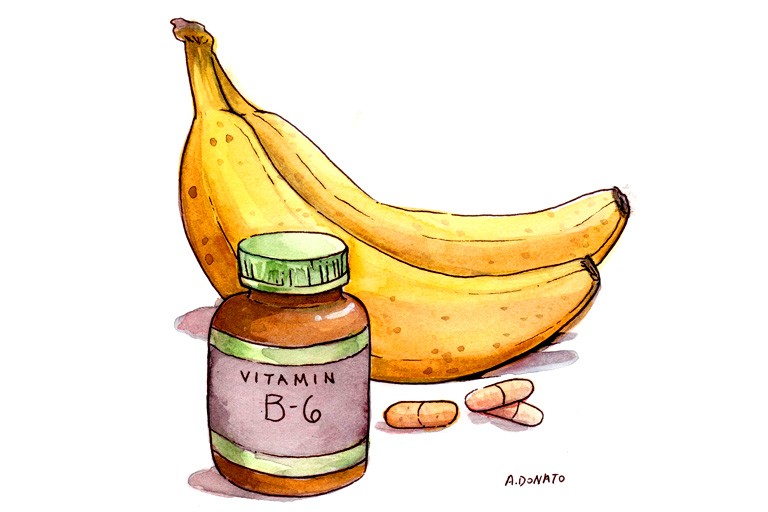

In support of #NationalWomensHealthWeek this week (5th-9th Sept) I’m concentrating on all things women.

Let’s start with why we need good levels of Vitamin B6. Check out this article I wrote for the Sunday Tele’s ‘Body + Soul’ liftout. Any of these symptoms sound familiar?

Signs of a Deficiency

– Symptoms of PMT such as breast tenderness, irritability and fatigue.
– Mood disorders including depression and anxiety.
– Anaemia (low amounts of healthy red blood cells).
– A compromised immune function and/or poor protein metabolism.
– Muscle weakness.
– Difficulty concentrating.

People with (a condition called) Pyroluria can also experience frequent infections and are often identified by their inability to tan, poor dream recall, abnormal fat distribution, and sensitivity to light and sound.

B6 levels can be checked via blood or urine tests, which can be ordered by your GP.

For more, check out the whole article here –

http://www.bodyandsoul.com.au/…/52ed0c42e16ccbfdd90b4f6a981

Those with an MTHFR gene defect have a reduced ability to eliminate toxins, so it’s important to reduce the RE-tox, and increase the DE-tox. Here’s how –

1. Maintain good gut health: Eat foods that are easier to absorb, and also that your own body likes. Include fermented foods (unless there’s a histamine issue), and mostly cooked, whole plant foods – grown as close to the way nature intended as you can manage. Avoid processed foods as they often have synthetic folic acid added. Also avoid vegetable oils, transfers, refined grains and refined sugars, processed dairy and mass produced meat, chicken and fish. Too much alcohol isn’t a good idea either. Stress of any kind and good gut health do not go together.

Dark Leafy Greens: These contain the methylated forms of folate that those with a gene defect need. Eat loads of these.

2. Folic Acid: The synthetic form of folate. Avoid all forms as it cannot be used by those with a MTHFR defect and can be very toxic. It’s in many processed foods, many supplements, and wheat.
And avoid the things that can interfere with folate levels – some medications like the contraceptive pill, and also antacids as they can interfere with B-12 absorption.

3. Avoid Heavy Metals: Both in your diet or environment as they are harder to remove from the body for those with a gene defect, so they can cause acute and chronic toxicity. Some examples are mercury in tuna and farmed fish (salmon, barramundi, prawns) and dental fillings, lead in old houses, cadmium from smoking, aluminium in cookware, Heavy metals in diet or environment are harder to remove from the body for those with a gene defect, so I’m careful to avoid theseBtw, seaweeds reduce the absorption of heavy metals and also to help detox them out of your body. I eat one form or another pretty much everyday.

3. Supplements: Take L-MTHF forms of folate, which are the methylated forms that my body can use. You may also want to take a methyl-B12 which is supposed to help the body use L-MTHF. Then take what your tests (blood, stool, saliva) say you personally need. (Vitamins C, B, D, zinc etc) I personally take nothing for my own heterozygous mutation now, so know it may not be forever.

4. Detox your body: Do things that aid elimination via one detox pathway or another. (Btw we have 5 pathways to get toxins out – Liver, Kidneys, Lungs, Skin, Colon). Try taking liver herbs, drinking clean water, deep breathing techniques, skin brushing, infra red sauna, exercise and maintain healthy bowels.

5. Detox your home: Avoid plastics, chemicals in cosmetics (hair, body and mouth) and cleaning products, avoid antibacterial soaps and wipes. Indoor plants, orange lights and air purifiers will help detox your home, and definitely avoid tap water. Filter your drinking and if possible your shower water in you are on town water.

6. Meditate. Full stop!

My check list.

I wrote this for a Blog I wrote on the MTHFR gene mutation in 2014, after I was diagnosed with one gene mutation. Btw, I don’t take any supplements anymore.

1. Continuing eating and living a healthy, natural, and non-toxic life.
2. Meditate twice a day.
3. Continue to take high doses of zinc, B12, iron, methylfolate, Co Q10 and my herbal formula for my liver and hormone balance.
2. Make sure I’m getting loads of natural folate in my diet – leafy greens, legumes/lentils, citrus, etc
3. Avoiding the synthetic form of folic acid in supplements and fortified foods, and instead, use supplements with the methylfolate and methylcobalamin (B12).
5. Continue to avoid dairy and wheat products. There has been speculation that there is a correlation between mutations on the C677T gene and intolerances to these two foods.
6. Sweat as much as possible. Sweating is one of the best natural way’s to expel toxins from the body. (Sauna, exercise.)
7. Continue juicing a few times every week, if not daily. This is great for both folate and detoxification.

We have evolved as humans eating a variety of wild bitter greens and most probably once had an even broader variety of taste experiences each day. Our digestion has became quite accustomed to these many flavors over the millennia, and now with less of them on our plate – and considering other modern lifestyle factors – digestive issues are growing rapidly.

The Bitter Flavour

For thousands of years, bitter herbs have been used in alternative healing. Known as “bitters,” these herbs can affect physiological reactions within the body, working as an astringent, a tonic, a relaxer, a stomachic, and an internal cleanser. In particular, bitter herbs have been used to improve digestion and counter inflammation.

Indeed, a “bitter herb” is essentially any herb that possesses a bitter taste. Historically, people have used this group of plants for ceremony, healing, and cooking. Ranging from mild to strong, these herbs can be as light as chamomile or as biting as rue.

T2R’s

Until very recently the thinking was that a bitter herb needed to be tasted on the tongue so that the bitter taste receptors (T2 receptors or T2R’s) were stimulated, and consequently releasing digestives enzymes from the pancreas in preparation of the food coming. We now know that T2R’s are not restricted to the tongue but are distributed throughout the stomach, intestine and pancreas. So this means that that humble bitter herb or food keeps working all the way down the gut. The esophagus starts its wave, the pancreas produces digestive enzymes and your own personal combination of probiotics, the gall bladder produces bile, and the many kilometers of intestines get ready to receive the partially broken down food eaten many hours earlier.

T2R’s not only keep the organs of digestion in constant communication – from the top to the bottom and all stops along the way – but research is now suggesting they trigger a hormone that stimulates the digestion of fat and protein and limits the absorption of dietary toxins. The new experiments suggest that the hormone stimulates intestinal cells that absorb nutrients, which in turn transport a variety of chemicals, and toxins, out of our cells. Considering how toxic our environment is today, sounds like bitter foods should be back on the menu for good.

A diet high in processed food, stress, ill health and the natural aging process can all cause the number of natural digestive enzymes in the body to decline, making digestion more difficult and uncomfortable.  These digestive enzymes are essential to help break down the food we eat and support the digestion and nutrient absorption process.

HomemadeBefore or After a Meal?

It is perhaps most common for people to take bitters before meals as a means of ‘priming’ the digestive system. However according to master herbalists – taking bitters after a meal can also be a helpful way to stimulate bile production in reaction to the foods consumed and reduce any bloating/gas.

Bitters can also be used independently to reduce sugar cravings and reset appetite at any time of the day.

 Commonly Used Bitter Herbs

 Angelica

For centuries, people have used Angelica (Angelica archangelica), for its properties make it a stimulant, stomachic, and tonic. For liquors, it’s been used to flavor gin.

Chamomile

Chamomile’s (Matricaria chamomilla) curative properties seem almost endless. This mild bitter herb is used as a sedative and antispasmodic.

Dandelion Leaf

Dandelion (Taraxacum) is a mild bitter herb used as a blood cleanser and diuretic. It is still used in traditional cooking in the Mediterranean and parts of Asia.

Gentian Root

Gentian (Gentiana lutea) has been used in European and Eastern herbal medicine throughout the 3,000 years since its discovery to treat gallbladder problems and as a bitter tonic to improve digestion.

Goldenseal

Goldenseal (Hydrastis Canadensis) is a strong bitter herb used to stimulate the appetite and eliminate infections

Horehound

Horehound (Marrubium vulgare) dates back to Ancient Egypt and is believed to be one of the bitter herbs mentioned in the Bible.

Milk Thistle

Milk Thistle (Silybum marianum), which is also known as “sow-thistle,” is known as a powerful liver detoxifier.

Peppermint

Peppermint (Mentha piperita) is a flavor, a fragrance, and medicine. Peppermint oil may allay nausea and stomach aches, and peppermint has been called “the world’s oldest medicine.”

Rue

Rue (Ruta) is a strong bitter herb used as an antispasmodic, a sedative, and a mild stomachic.

Wormwood

Wormwood (Artemisia absinthium) is a perennial plant used as an antiseptic, tonic, diuretic and stomachic. The herb’s strong bitter taste is still used in wines and spirits such as vermouth.

Yarrow

Yarrow (Achilles millefolium) is a flowering plant that produces a mild bitter herb used as an astringent and cold remedy.

You can take these herbs as an herbal tincture, powder or tablet available from your Naturopath or Herbalist, or else you’ll find them in health food stores. Alternatively, buy the dried herbs and make into a tea, cool or hot. If you’re lucky enough to have some of these herbs growing, gently cut a small handful of leaves per cup and steep for 5-10 mins in boiling water. (Be sure to always leave at least a third of the plant to preserve its own good health.)

Herbal Liqueur

I personally love the tradition of enjoying an aperitif – a slightly bitter, herbal beverage to stimulate digestive juices before a meal just makes sense to me. It slows us down, let’s us know we’re about to eat, so we can let go of the day and relax.

Campari is one of those drinks. It’s slightly bitter, being flavoured by 68 different fruits, herbs and spices including quinine, ginseng, rhubarb, the peel of bitter oranges and aromatic herbs; the bitterness explaining it’s positive effect on our digestion. Aperol, which is made from an infusion of rhubarb root, quinine, gentian and bitter orange peel, also originating in Italy, is another low-alcohol aperitif made from rhubarb, gentian, quinine and bitter orange peel. Jagermeister is a well-known German digestif (after dinner drink) is based on various herbs that are known to aid the digestive process.

In Germany, there are 20 million doses of bitters taken every day. The Italians and Swiss are also famous bitter-takers, and it just so happens they don’t have anywhere near our level of digestive problems.

Herbal Liqueurs – many of which were first created for ‘medicinal use’ are still very popular in Europe. There are many famous examples originally made by Monks, and often made to age- old recipes with tens, if not hundreds, of ingredients. Chartreuse and Benedictine are both good examples of Monastic liqueurs.

A blend of 130 plants including sweet flag, peppermint, hyssop, lemon balm, angelica, wormwood and cardamom — flavours Green Chartreuse, which has been produced by monks of the Carthusian order in the French Alps since 1764. Only three of the brothers are said to know the secret recipe. The French Bénédictine, based on a Renaissance monk’s recipe, includes aloe, angelica, coriander, hyssop, juniper, myrrh and saffron among its 27 botanical ingredients.

 In the 15th to 19th centuries it was common for liqueurs to be made using just one type of herb or spice and had their origin in medicines. Honey or sugar, and spices were added to alleviate some of the bitterness. Modern cough mixtures have a similar background.

 Today however, the solely medicinal use of liqueurs is somewhat limited as an alcoholic beverage. Most of them now fall into two categories – aperitifs or digestives. An aperitif tends to be dry and sweet and works to get the palate ready, while a digestif is there to settle the stomach after a meal, and is often herbal and bitter. With regard to alcohol content they’ll typically run the gamut from a relatively low 16% to 40%.

DIY Herbal Tonics and Liqueurs

The principal herbs and spices used for making liqueurs and herbal tonics at home.

  • Allspice berries (Pimenta Dioica Merr.)
  • Angelica root and seeds (Angelica Archangelica L.)
  • Anise seeds (Pimpinela Anisum L.)
  • Cardamon seeds (Elettaria Cardamomum Maton)
  • Cinnamon bark (Cinnamomum Zeylanicum Bl.)
  • Cloves flower buds (Eugenia Carophylata Thunb.)
  • Coriander seeds (Coriandrum Sativum L.)
  • Fennel seeds and tops (Foeniculum Vulgare Mill.)
  • Gentian root (Gentiana Lutea L.)
  • Hyssop leaves (Hyssopus Officinalis L.)
  • Juniper berries (Juniperus Communis L.)
  • Lemon Balm leaves (Melissa Officinalis L.)
  • Marjoram leaves (Origanum Majorana L.)
  • Oregano leaves (Origanum Vulgare L.)
  • Peppermint leaves (MenthaxPiperata L.)
  • Star anise seeds (Illicium Verum Hook)
  • Thyme leaves (Thymus Vulgaris L.)
  • Tumeric root (Curcuma Longa L.)
  • Vanilla seeds (Vanilla Planifolia Andr.)

 Blitzing the herbs in a blender eliminates the need for a lengthy infusion time, while the simmered cinnamon syrup provides just the right amount of sweet heat. Sip it on the rocks or with a splash of soda.

Ingredients:

375-ml vodka (preferably high-proof)

10 grams fresh spearmint

2 grams fresh tarragon

2 grams fresh thyme

3 grams fresh sage

2 grams fresh oregano

6 grams fresh basil

1/4 cup honey

1/2 cup water

1 small cinnamon stick

Pinch freshly grated nutmeg

Pint-size glass jar with lid

  1. De-stem all the herbs, reserving the leaves and discarding the stems.
  2. Combine the leaves with the vodka in a blender. Blend on high for 1 minute. Set aside.
  3. In a small saucepan, combine honey and water over medium heat. Break cinnamon stick into large pieces and add cinnamon and nutmeg to the saucepan. Bring to a boil, then remove from heat, cover and let cool to room temperature.
  4. After the syrup has cooled, remove cinnamon pieces and add spiced honey syrup to the vodka-herb mixture in the blender. Pulse several times to combine.
  5. Line a funnel with a single layer of a clean kitchen towel and strain mixture into a clean glass jar. Let rest for several hours and repeat strain, if desired, leaving sediment at bottom of jar.

TIP: If you prefer a clearer liqueur, strain the batch through a coffee filter before bottling.

Bitters

Amaro means bitter in Italian. It is an herbal infusion in alcohol and amari (plural of amaro) are still popular in Italy as digestifs, or after dinner drinks.

A recipe for a simple Amaro or Bitters:

  • 5 leaves melissa (lemon balm)
  • 5 leaves sage
  • 10 leaves (not sprigs) rosemary
  • 10 leaves wormwood
  • Flowering top of a European centaury plant (from herbal shop)
  • 15 juniper berries
  • 5 cloves
  • 12mm piece cinnamon
  • A piece of ores root (Florentine Iris)
  • A piece of calamus root (Sweet Flag)
  • A piece of gentian root
  • 2/3 cups water

The wormwood, centaury and gentian provide the bitterness. Macerate herbs in alcohol for 2 weeks, add sugar syrup to taste. Strain, place in a bottle and allow to age.

Highland Bitters

“In Scotland bitters were traditionally drunk before meals, especially breakfast, ‘for the purpose of strengthening the stomach, and by that means invigorating the general health’. Any kind of spirit could be used and sometimes wine or ale.

  • 5g gentian root
  • 30g coriander seed
  • 15g bitter orange peel
  • 7g chamomile flowers
  • 15g cloves (whole)
  • 15g cinnamon stick
  • 2 bottles whisky

Finely chop the gentian root and orange peel (free of pith). Place in mortar with seeds, cloves, cinnamon and chamomile flowers. Bruise all together, place in an earthen- ware jar, pour in the whisky and make the jar airtight. Leave for ten days, then strain and bottle.” (‘A Country Cup’ W. Paterson, 1980)

 Ratios

Herb/Spice Quantity (grams/litre)
Orange peel 50-100
Lemon peel 60-250
Bitter orange peel 2.5-50
Rosemary 0.5-1
Saffron 0.1-0.5
Star anise 3-20
Cinnamon 3-15
Vanilla 0.5-2
Bay leaves 0.5-2
Cardamom 4-20
Nutmeg 3-6
Allspice 3-6
Ginger 1.5-12
Cloves 0.6-3
Black pepper 2-24

NOTE – For those who don’t want to use sugar to sweeten their liqueurs you can use stevia powder (from health food shops) or fresh stevia leaves. A sugar syrup substitute can be made by infusing 10 leaves of fresh stevia leaves in 200ml of boiled water.

NOTE – For those wishing to avoid the alcohol that is traditionally used as a solvent and preservative in bitter tonics, Swedish Bitters offer a non-alcoholic style of bitter that is equally as potent and beneficial. Simply squirt one or 2 mls on the tongue after meals and notice them practically immediate effect of one of nature’s most powerful digestive aides!

Until very recently the thinking was that a bitter herb needed to be tasted on the tongue so that the bitter taste receptors (T2 receptors or T2R’s) were stimulated, and consequently releasing digestives enzymes from the pancreas in preparation of the food coming. We now know that T2R’s are not restricted to the tongue but are distributed throughout the stomach, intestine and pancreas. So this means that that humble bitter herb or food keeps working all the way down the gut. The esophagus starts its wave, the pancreas produces digestive enzymes and your own personal combination of probiotics, the gall bladder produces bile, and the many kilometers of intestines get ready to receive the partially broken down food eaten many hours earlier.

T2R’s not only keep the organs of digestion in constant communication – from the top to the bottom and all stops along the way – but research is suggesting they trigger a hormone that stimulates the digestion of fat and protein and limits the absorption of dietary toxins.

The new experiments suggest that the hormone stimulates intestinal cells that absorb nutrients, which in turn transport a variety of chemicals, and toxins, out of our cells. Considering how toxic our environment is today, sounds like bitter foods should be back on the menu for good.

Resources

http://www.nature.com/nature/journal/v486/n7403_supp/full/486S7a.html
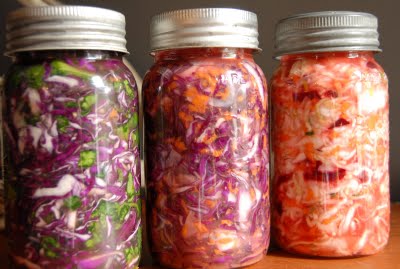
 

These foods are just so good for our digestion, easy, cheap and quick to make that it makes no sense not to include them in your diet.

Before we started canning food our Foremothers were fermenting fruits and veggies in salt water and spices then leaving them to see out the winter in the cellar or a dark cupboard. What better way to ensure none of the abundance from spring and summer was wasted? It’s a frugal, sensible and extremely healthy way to use your produce.

Fermented foods have made a bit of a come back in recent times. For Macrobiotic (a Japanese diet) followers they never left. And the same goes in Europe where foods like sauerkraut and dill pickles are a staple and important part of their diets.

Why are these foods so fab’? Basically it’s because they are ‘pre digested’, a lot of the work has been done before they even get into your mouth. The process of fermentation creates good bacteria that make for a healthy intestinal tract, thus good digestion. Microorganisms such as lactobacillus perform this, and the science is known as ‘zymology’.

Often all that’s needed for this process to happen is good salt and water, and lovely organic veggies. Fermentation increases vitamin levels, and contains antibiotic and carcinogenic (anti-cancer) substances. If our guts are healthy, then our immunity will be stronger and our minds clearer. (We now know that we have brain cells in out gut. Phrases like – What’s your gut feeling? Have been around for ages.

The sugars – glucose, fructose and sucrose in the foods are converted to energy and lactic acid. The acid levels rise so harmful organisms are killed. The lactic acid produced prevents purification, feeds the veggies throughout winter and keeps them perfectly preserved.

Most of us are familiar with the symptoms of poor digestion. Bloating, indigestion, acid reflux, loose bowels or constipation, nausea, abdominal cramps and/or stabling pains, sugar cravings, fatigue, skin problems, Candida. Our digestive tracts have taken a battering from antibiotics, medication, stress, refined sugars, chemicals added to our food and those used to grow our produce, and overeating.

Some of the good flora simply must be replaced if we wish to have any chance at all at achieving good health.

The other benefits of including about a tablespoon of fermented foods each day are – 

  • a clearer mind
  • Improved immunity
  • for glowing skin and other problems like acne and psoriasis improved
  • they draw out heavy metals through your stools
  • repair connective tissue
  • provides hard to get vitamin B12 and K2 and plant based easy to digest protein
  • good source of essential fatty acids
  • they stabilise blood sugar so help with weight loss; decrease appetite; keep insulin release steady so your body doesn’t store fat
  • gets your pH back to somewhere closer to 7.4 – in other words alkalines your system.

And what about K2? It has recently been re-discovered and it looks like most scientists are surprised that we have forgotten about this very important vitamin for so long and its role in a healthy body. Vitamin K is made by the blood vessels that line your gut and it goes to your blood vessel walls, bones, liver and other tissues. It can be separated into 2 categories – K1 comes from green plants and maintains healthy blood clotting – it goes directly to your liver. K2 is really important to keep your bones strong and your blood vessels clear. It activates proteins that control cell growth, so clearly has a very important role is cancer prevention. K2 is found in fermented foods.

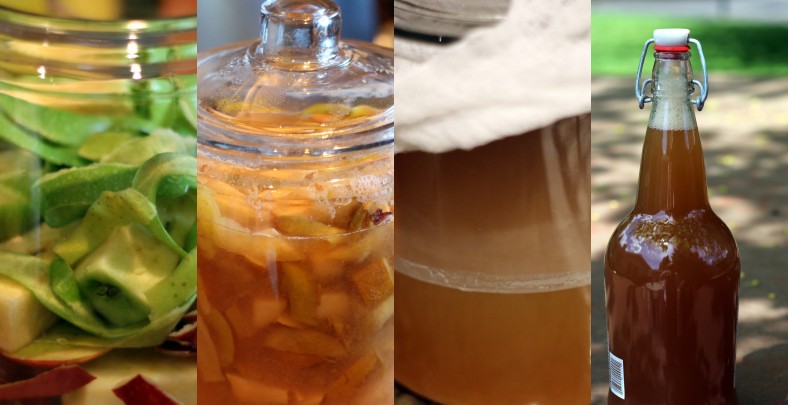
It’s easy to make your own fermented veggies at home. All you need are quality veggies – and the best ones to pickle or ferment are root veggies, daikon (Japanese radish), garlic, and ginger, cauliflower, cabbage, carrot, onions and white radish. The softer veggies go a bit mushy and yuck. You’ll also need the best quality salt you can afford like Himalayan or Murray River and clean water. You can add a capsule or two of a probiotic supplement to speed up the fermentation process. Whey powder is a popular addition here also, and for the same reason as you’d add the probiotic, but I’d rather avoid using processed and refined dairy. If you use the probiotic reduce the salt in any recipe by 1 tbls. Once you have your veggies prepared you bash (kindly) the veggies with a wooden mallet or pestle (from a mortar and pestle) until the veggies start to break down and release their juices. Store in a mason jar (one with a tight seal) and wait. Easy. Don’t panic when you start to notice bubbles and white foam appear. This is a good sign – it means the activation process is happening.

Adding different seaweeds, spices, ginger and turmeric just makes them so much healthier. Talk about food as medicine showing off.

Making your own fermented veggies is satisfying and cheap but if you’re a bit scared of this process (and that’s fair enough) in the beginning, or you’re short of time, then there are some great store bought ones available. As always be sure to read the ingredients carefully as you don’t want any sugar in them, and sometimes they are pasteurised which kills the lactic acid, defeating the whole purpose of having them.

Commercially available kits are available these days so will make the process of making your own a whole lot easier. Look on line or at good home ware and health food stores. Some Asian grocery stores should have them also.

Popular Fermented Foods:

  • Dairy – yoghurt, kefir, quark, cultured butter, buttermilk
  • Soy – tamari, miso, natto niso (not in from Japan), tempeh
  • Pickled Veggies like cucumber, daikon (with ume vinegar) and beets, and dill pickles, sauerkraut, kim chi
  • Sourdough Bread
  • Kombucha – Japanese seaweed tea
  • Fermented Papaya – this is a lovely drink I use in my clinic. It’s by ‘Superlife Foods.’ You drink about 10mls before meals fro improved digestion. It’s loaded with probiotics, and it is so yum.

How to use them in your daily life –

  • tempeh for breakfast with a tablespoon of fermented veggies
  • add quark – a bit like a mix between yoghurt, crème fraiche and sour cream. Available in lots of good stores these days – to your breakfast cereal or eggs. You can also stir it through soup.
  • add kefir – like sour yoghurt. I can get it at my Farmers Markets so keep your eyes peeled – to your smoothie
  • add a tablespoon of any of the veggies to your wraps, salads, or as a condiment to your stir-fry, curry’s or anything really.
  • Use tamari – wheat free soy – instead of commercially produced soy sauce

Cortido – traditional pickles from the Americas

1 carrot grated

½ cabbage shredded

1 onion quartered then sliced

1 tsp dried oregano

2 tbls good salt

1 tsp red pepper flakes

Note – I would  add 1 tbls powdered dulse or nor and 1 tbls grated fresh ginger and turmeric.

Method – Mix the ingredients together in a ceramic or glass bowl, then using a wooden mallet – pound for 10 mins. Push the veggies down firmly into your sterilised jar allowing their juices to be released. The mixture should be covered by at least 3 cms of liquid. If not then add a bit more water than has a ¼ teaspoon of salt dissolved in it. Seal the jar well then leave at room temperature for 3 days, then pop it in the fridge. Wait about a season, so 3 months (so make lots) then it’s ready to eat.

Most of us suffer with poor digestion and really, is it any wonder with what we give it to deal with? Fermented foods are a way of giving back to our guts; to help it get on with things, with what it does best. And that allows us to do the same.

Pretty exciting to have another healthy and yummy food in your life don’t you think?

Love,

Janella

First of all, what’s the difference between CBD & THC? Hemp and marijuana are both varieties of cannabis – but ‘Industrial Hemp’ contains very little if any (0.03 or les) THC (the stuff that gets one ’high’) while marijuana contains around 30%. Btw, CBD oil is cannabidiol in canabis. It does NOT have intoxicating effects. See diagram below:

hemp crop1 Herbal medicine,natural remedies for menopause,acne solutions natural,Australia

For our health:

OMEGAS IN HEMP. Ancient pharmacologists discovered that hemp seeds were ideal as a source of food and here’s one reason why you need them in your life.
Hemp has the perfect balance of Omegas 3,6 & 9 – 2:1:1, as this is the ratio in which they are found naturally in human cells.
Many EFA (essential fatty acid) supplements are blended to reach this golden ratio, but Hemp oil naturally contains the Omegas in these proportions.
And as they are all from this one perfect source, the body can metabolize the Omegas in Hemp more readily, so is easily able to reap the benefits.

THE FIBRE IN HEMP. 35% of the whole seed is fibre – 10% higher than flax seeds. Fibre helps to eliminate toxins (and too much oestrogen) from the body via your bowel and for this reason helps in lowering your risk of colon, breast, prostate and rectum cancer – and heart disease.

It will also help to keep your blood sugar stable, your skin nice, your gut happy, immunity strong and increase your life expectancy. What’s not to like?

For our environment:


For construction:

Hemp can be used as a sustainable building material .

Check out the hemp houses that have been built: https://au.pinterest.com/search/pins/?q=hemp+houses&rs=typed&0=hemp%7Ctyped&1=houses%7Ctyped 

For our clothing and personal hygiene:

COTTON vs HEMP. Plus, cotton is now a GMO crop. (Be sure to buy organic cotton tampons and pads.) TOM Organic


natural hemp 4 sizes Herbal medicine,natural remedies for menopause,acne solutions natural,Australia
Hemp Yarn

For Skin health:

HEMP + YOUR SKIN. According to Traditional Chinese Medicine, hemp has a ‘cool’ energetic quality – so wonderful for treating ‘hot’ conditions such as eczema (literally meaning ‘boiling over’), and psoriasis.

The ‘cooling’ powers of ‪#‎Hemp‬ calms and soothes the skin and restores balance to the body. (Flaxseed oil btw, is ‘warm’.)

Check out Made In Hemp‘s range of hemp creams for the skin.

Hemp is so useful!
Source: thesoutherninstitute.com.
Benefits+of+Hemp Herbal medicine,natural remedies for menopause,acne solutions natural,Australia

Herbal medicine Australia

Healing naturally. The power of herbal medicine and food as support.

In today’s busy and often over-medicated world, many Australians are going back to wellness basics. They are embracing herbal medicine, natural foods, and traditional healing practices to support their physical and emotional balance. This shift towards natural living is not just a trend. It is a choice to care for the body in a sustainable, empowering, and nourishing way.

What is Herbal Medicine?

This involves using plants and plant extracts to support health and treat illness. It is one of the oldest ways to heal. It has roots in many traditional systems. These include Chinese and Ayurvedic medicine, as well as Indigenous Australian bush remedies. In recent years, in Australia, it has grown in popularity. This is due to its gentle and effective approach. It focuses on treating the whole person, not just the symptoms.

Herbs like ashwagandha, turmeric, sage, and chasteberry are often used for many health problems. They can help reduce stress, support hormone balance, and improve digestion and immunity. These natural remedies work well with the body. They have fewer side effects than synthetic options and support long-term health.

Organic healthy recipes
Food as Medicine

Alongside herbs, food plays a central role in natural healing. Using whole, organic, and seasonal ingredients helps lower the body’s toxic load. It also supports gut health and helps every system work well. Through natural cooking, we can fuel ourselves with life-giving nutrients that support energy, clarity, emotional stability, and physical resilience.

Author and naturopath Janella Purcell is a leading voice in this space. She provides recipes, advice, and tips on how food and herbs can help with many problems. These include everyday tiredness and more serious issues like hormonal imbalance and skin problems. Her philosophy is simple: eat real food, live consciously, and treat your body with kindness.

Janella’s approach combines Herbal medicine with naturopathy and wholefood nutrition, making it accessible and practical for everyday Australians. Her blog has educational posts about real-life issues. These include natural remedies for menopause, food intolerances, and emotional wellbeing. It offers a complete guide for living well.

Superfoods and Their Impact
Superfoods are nutrient-rich foods that offer exceptional health benefits. These include everyday favourites like blueberries, kale, chia seeds, turmeric, and spirulina. No food is a magic cure, but adding superfoods to your meals can have a strong positive effect.

They are known to reduce inflammation and improve gut health. They can help balance hormones and support clearer skin. This makes them a great option for those seeking natural and gentle acne solutions.

For people with sensitive skin or skin conditions like eczema, a clean, wholefood diet can help. This is where working with a naturopath eczema specialist, such as Janella, can be particularly beneficial. Using natural treatments, soothing herbs, and dietary changes, eczema sufferers often see dramatic improvements without relying on steroid creams or antibiotics.

Supporting Women Naturally
Hormonal health is another area where it shines—especially during menopause. Many women experience hot flashes, anxiety, sleep disturbances, and mood swings. Many women are now looking for natural remedies for menopause instead of hormone replacement therapy. Some of these remedies include herbs like black cohosh and red clover, as well as adaptogens like maca.

These herbs, along with healthy superfoods and calming practices like meditation and yoga, help women feel safe and supported. They can move through this stage of life with confidence and ease.

Janella writes about these changes in this Resources page. She shares tools and tips to help manage menopause naturally, without fear or confusion. Her advice combines evidence-based Herbal medicine with lifestyle guidance that reflects decades of clinical practice.

Emotional and Mental Wellbeing
It’s not just the body that benefits from natural foods and Herbal medicine—the mind does too. Chronic stress, anxiety, and burnout are at an all-time high. Eating poorly, skipping meals, or relying on processed foods can spike cortisol, affect sleep, and contribute to emotional instability.

Natural foods, superfoods, and Herbal medicine can help regulate stress hormones and nourish the nervous system. Herbs such as lemon balm, passionflower, and rhodiola are known to calm the mind. They are often suggested for people who want to boost their mood and mental clarity without using drugs.

This is part of the holistic approach Janella champions so well—caring for the whole person, body and soul.

The journey to wellness doesn’t have to be complex. By embracing Herbal medicine, natural cooking, and incorporating superfoods, we begin to shift from managing symptoms to truly healing. Whether you’re looking for natural remedies for menopause, gentle acne solutions natural, or support for chronic conditions like eczema, there’s power in returning to nature.

Through her compassionate voice and rich resource of information Janella offers Australians a path to vibrant, holistic health. It reminds us that we can find what we need to feel better in simple places. We can feel stronger, calmer, and clearer. Often, this can be found in our gardens, kitchens, and the wisdom of our ancestors.

Let food be your medicine, and let your healing begin naturally.