
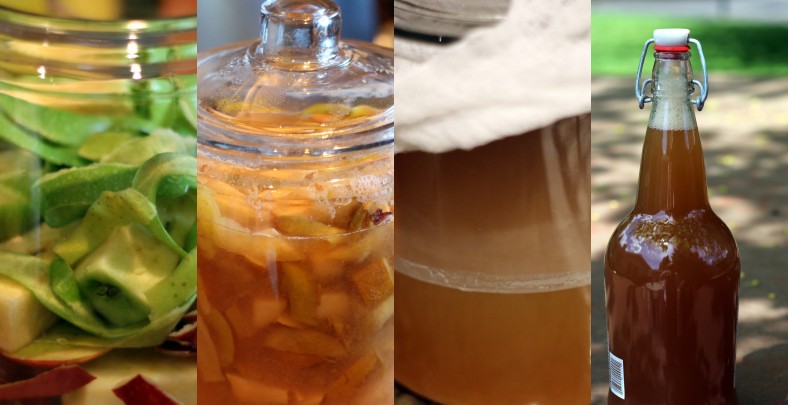
We have evolved as humans eating a variety of wild bitter greens and most probably once had an even broader variety of taste experiences each day. Our digestion has became quite accustomed to these many flavors over the millennia, and now with less of them on our plate – and considering other modern lifestyle factors – digestive issues are growing rapidly.
The Bitter Flavour
For thousands of years, bitter herbs have been used in alternative healing. Known as “bitters,” these herbs can affect physiological reactions within the body, working as an astringent, a tonic, a relaxer, a stomachic, and an internal cleanser. In particular, bitter herbs have been used to improve digestion and counter inflammation.
Indeed, a “bitter herb” is essentially any herb that possesses a bitter taste. Historically, people have used this group of plants for ceremony, healing, and cooking. Ranging from mild to strong, these herbs can be as light as chamomile or as biting as rue.
T2R’s
Until very recently the thinking was that a bitter herb needed to be tasted on the tongue so that the bitter taste receptors (T2 receptors or T2R’s) were stimulated, and consequently releasing digestives enzymes from the pancreas in preparation of the food coming. We now know that T2R’s are not restricted to the tongue but are distributed throughout the stomach, intestine and pancreas. So this means that that humble bitter herb or food keeps working all the way down the gut. The esophagus starts its wave, the pancreas produces digestive enzymes and your own personal combination of probiotics, the gall bladder produces bile, and the many kilometers of intestines get ready to receive the partially broken down food eaten many hours earlier.
T2R’s not only keep the organs of digestion in constant communication – from the top to the bottom and all stops along the way – but research is now suggesting they trigger a hormone that stimulates the digestion of fat and protein and limits the absorption of dietary toxins. The new experiments suggest that the hormone stimulates intestinal cells that absorb nutrients, which in turn transport a variety of chemicals, and toxins, out of our cells. Considering how toxic our environment is today, sounds like bitter foods should be back on the menu for good.
A diet high in processed food, stress, ill health and the natural aging process can all cause the number of natural digestive enzymes in the body to decline, making digestion more difficult and uncomfortable. These digestive enzymes are essential to help break down the food we eat and support the digestion and nutrient absorption process.
 Before or After a Meal?
It is perhaps most common for people to take bitters before meals as a means of ‘priming’ the digestive system. However according to master herbalists – taking bitters after a meal can also be a helpful way to stimulate bile production in reaction to the foods consumed and reduce any bloating/gas.
Bitters can also be used independently to reduce sugar cravings and reset appetite at any time of the day.
Commonly Used Bitter Herbs
Angelica
For centuries, people have used Angelica (Angelica archangelica), for its properties make it a stimulant, stomachic, and tonic. For liquors, it’s been used to flavor gin.
Chamomile
Chamomile’s (Matricaria chamomilla) curative properties seem almost endless. This mild bitter herb is used as a sedative and antispasmodic.
Dandelion Leaf
Dandelion (Taraxacum) is a mild bitter herb used as a blood cleanser and diuretic. It is still used in traditional cooking in the Mediterranean and parts of Asia.
Gentian Root
Gentian (Gentiana lutea) has been used in European and Eastern herbal medicine throughout the 3,000 years since its discovery to treat gallbladder problems and as a bitter tonic to improve digestion.
Goldenseal
Goldenseal (Hydrastis Canadensis) is a strong bitter herb used to stimulate the appetite and eliminate infections
Horehound
Horehound (Marrubium vulgare) dates back to Ancient Egypt and is believed to be one of the bitter herbs mentioned in the Bible.
Milk Thistle
Milk Thistle (Silybum marianum), which is also known as “sow-thistle,” is known as a powerful liver detoxifier.
Peppermint
Peppermint (Mentha piperita) is a flavor, a fragrance, and medicine. Peppermint oil may allay nausea and stomach aches, and peppermint has been called “the world’s oldest medicine.”
Rue
Rue (Ruta) is a strong bitter herb used as an antispasmodic, a sedative, and a mild stomachic.
Wormwood
Wormwood (Artemisia absinthium) is a perennial plant used as an antiseptic, tonic, diuretic and stomachic. The herb’s strong bitter taste is still used in wines and spirits such as vermouth.
Yarrow
Yarrow (Achilles millefolium) is a flowering plant that produces a mild bitter herb used as an astringent and cold remedy.
You can take these herbs as an herbal tincture, powder or tablet available from your Naturopath or Herbalist, or else you’ll find them in health food stores. Alternatively, buy the dried herbs and make into a tea, cool or hot. If you’re lucky enough to have some of these herbs growing, gently cut a small handful of leaves per cup and steep for 5-10 mins in boiling water. (Be sure to always leave at least a third of the plant to preserve its own good health.)
Herbal Liqueur
I personally love the tradition of enjoying an aperitif – a slightly bitter, herbal beverage to stimulate digestive juices before a meal just makes sense to me. It slows us down, let’s us know we’re about to eat, so we can let go of the day and relax.
Campari is one of those drinks. It’s slightly bitter, being flavoured by 68 different fruits, herbs and spices including quinine, ginseng, rhubarb, the peel of bitter oranges and aromatic herbs; the bitterness explaining it’s positive effect on our digestion. Aperol, which is made from an infusion of rhubarb root, quinine, gentian and bitter orange peel, also originating in Italy, is another low-alcohol aperitif made from rhubarb, gentian, quinine and bitter orange peel. Jagermeister is a well-known German digestif (after dinner drink) is based on various herbs that are known to aid the digestive process.
In Germany, there are 20 million doses of bitters taken every day. The Italians and Swiss are also famous bitter-takers, and it just so happens they don’t have anywhere near our level of digestive problems.
Herbal Liqueurs – many of which were first created for ‘medicinal use’ are still very popular in Europe. There are many famous examples originally made by Monks, and often made to age- old recipes with tens, if not hundreds, of ingredients. Chartreuse and Benedictine are both good examples of Monastic liqueurs.
A blend of 130 plants including sweet flag, peppermint, hyssop, lemon balm, angelica, wormwood and cardamom — flavours Green Chartreuse, which has been produced by monks of the Carthusian order in the French Alps since 1764. Only three of the brothers are said to know the secret recipe. The French Bénédictine, based on a Renaissance monk’s recipe, includes aloe, angelica, coriander, hyssop, juniper, myrrh and saffron among its 27 botanical ingredients.
In the 15th to 19th centuries it was common for liqueurs to be made using just one type of herb or spice and had their origin in medicines. Honey or sugar, and spices were added to alleviate some of the bitterness. Modern cough mixtures have a similar background.
Today however, the solely medicinal use of liqueurs is somewhat limited as an alcoholic beverage. Most of them now fall into two categories – aperitifs or digestives. An aperitif tends to be dry and sweet and works to get the palate ready, while a digestif is there to settle the stomach after a meal, and is often herbal and bitter. With regard to alcohol content they’ll typically run the gamut from a relatively low 16% to 40%.
DIY Herbal Tonics and Liqueurs
The principal herbs and spices used for making liqueurs and herbal tonics at home.
Blitzing the herbs in a blender eliminates the need for a lengthy infusion time, while the simmered cinnamon syrup provides just the right amount of sweet heat. Sip it on the rocks or with a splash of soda.
Ingredients:
375-ml vodka (preferably high-proof)
10 grams fresh spearmint
2 grams fresh tarragon
2 grams fresh thyme
3 grams fresh sage
2 grams fresh oregano
6 grams fresh basil
1/4 cup honey
1/2 cup water
1 small cinnamon stick
Pinch freshly grated nutmeg
Pint-size glass jar with lid
TIP: If you prefer a clearer liqueur, strain the batch through a coffee filter before bottling.
Bitters
Amaro means bitter in Italian. It is an herbal infusion in alcohol and amari (plural of amaro) are still popular in Italy as digestifs, or after dinner drinks.
A recipe for a simple Amaro or Bitters:
The wormwood, centaury and gentian provide the bitterness. Macerate herbs in alcohol for 2 weeks, add sugar syrup to taste. Strain, place in a bottle and allow to age.
Highland Bitters
“In Scotland bitters were traditionally drunk before meals, especially breakfast, ‘for the purpose of strengthening the stomach, and by that means invigorating the general health’. Any kind of spirit could be used and sometimes wine or ale.
Finely chop the gentian root and orange peel (free of pith). Place in mortar with seeds, cloves, cinnamon and chamomile flowers. Bruise all together, place in an earthen- ware jar, pour in the whisky and make the jar airtight. Leave for ten days, then strain and bottle.” (‘A Country Cup’ W. Paterson, 1980)
Ratios
| Herb/Spice | Quantity (grams/litre) |
| Orange peel | 50-100 |
| Lemon peel | 60-250 |
| Bitter orange peel | 2.5-50 |
| Rosemary | 0.5-1 |
| Saffron | 0.1-0.5 |
| Star anise | 3-20 |
| Cinnamon | 3-15 |
| Vanilla | 0.5-2 |
| Bay leaves | 0.5-2 |
| Cardamom | 4-20 |
| Nutmeg | 3-6 |
| Allspice | 3-6 |
| Ginger | 1.5-12 |
| Cloves | 0.6-3 |
| Black pepper | 2-24 |
NOTE – For those who don’t want to use sugar to sweeten their liqueurs you can use stevia powder (from health food shops) or fresh stevia leaves. A sugar syrup substitute can be made by infusing 10 leaves of fresh stevia leaves in 200ml of boiled water.
NOTE – For those wishing to avoid the alcohol that is traditionally used as a solvent and preservative in bitter tonics, Swedish Bitters offer a non-alcoholic style of bitter that is equally as potent and beneficial. Simply squirt one or 2 mls on the tongue after meals and notice them practically immediate effect of one of nature’s most powerful digestive aides!
Until very recently the thinking was that a bitter herb needed to be tasted on the tongue so that the bitter taste receptors (T2 receptors or T2R’s) were stimulated, and consequently releasing digestives enzymes from the pancreas in preparation of the food coming. We now know that T2R’s are not restricted to the tongue but are distributed throughout the stomach, intestine and pancreas. So this means that that humble bitter herb or food keeps working all the way down the gut. The esophagus starts its wave, the pancreas produces digestive enzymes and your own personal combination of probiotics, the gall bladder produces bile, and the many kilometers of intestines get ready to receive the partially broken down food eaten many hours earlier.
T2R’s not only keep the organs of digestion in constant communication – from the top to the bottom and all stops along the way – but research is suggesting they trigger a hormone that stimulates the digestion of fat and protein and limits the absorption of dietary toxins.
The new experiments suggest that the hormone stimulates intestinal cells that absorb nutrients, which in turn transport a variety of chemicals, and toxins, out of our cells. Considering how toxic our environment is today, sounds like bitter foods should be back on the menu for good.
Resources
http://www.nature.com/nature/journal/v486/n7403_supp/full/486S7a.html


To enjoy a 15% Janella discount on your @TheHerbFarmskincare order, use this code JANELLA15 and watch your skin take a deep sigh of relief.

Antioxidants are a generic term that describes the mopping up of free radicals (the bad guys) in your body – by increasing oxygenation.
Modern food far from existing in its original state, the stress of living in today’s world, strenuous exercise, sun exposure, pollution, chemicals used to grow our food and make our cosmetics, computers, TV’s and carpets, smoking, and bacterial infections can all cause a rise in free radicals to dangerous levels. This results in damage at a cellular level resulting in premature ageing like wrinkles, bad skin, black rings under the eyes and sometimes, serious illnesses such as cancer.
Many antioxidants are vitamins like C and E, but Carotenoids are the most powerful anti oxidants known. Along with chlorophyll, carotenoids are what give plants their colour. The most powerful carotenoid is Astaxanthin (blue-green algae), and the next is Beta Carotene, of which Spirulina is the richest known natural source. There are other foods high in different antioxidants. This is where you’ll find lots of them –
Astaxanthin
This little known carotenoid is now believed to be the most powerful antioxidant by far. There are only two natural sources of natural astaxanthin—the micro-algae that produce it, and the sea creatures that consume the algae (such as salmon, shellfish, and krill). Astaxanthin is 65 times more powerful than vitamin C, 54 times more powerful than beta-carotene, 550 times more powerful than Vitamin E. No adverse reactions at all have been found for people taking Astaxanthin. It’s perfectly safe. You’ll find astaxanthin in supplement form on line.

You may have heard of astaxanthin before. The synthetic version made in a laboratory is commonly used worldwide to give farmed fish, especially salmon, its pinkish red colour. You really do want to avoid man-made astaxanthin as it’s made from petrochemicals, which makes it a toxic hormone disruptor.
Cacao
According to a study in the “Journal of Agricultural and Food Chemistry” published in 2003, researchers compared the antioxidant capacity of black tea, green tea, red wine and cocoa, concluding that cocoa has the highest antioxidant activity among the four products and the greatest potential for health benefits.
Garlic and its juice
Garlic is one of the best medicines in the world. It has natural ‘germanium’ and is anti-fungal and antibacterial (just to name a few of its actions). If you’re cooking your garlic, crush it up and let it sit for ten minutes before adding it to your recipe. It has to sit so that the enzymes can create the healing phyto-chemicals we need.
Dried Fruit
Goji berries have an enormous amount of antioxidants, yet dried Pomegranate seeds, (also expensive) have almost double the amount. And then comes dried Indian Gooseberries that have around 10 times more than Goji berries.
Green Super-Foods
Spirulina, chlorella and barley grass are chock full of minerals and enzymes. The enzymes are both anti-mycotoxin (mycotoxins are released by yeast/fungal infections) and antioxidants.
Matcha
This premium green tea powder from Japan is used for drinking as tea, or to use as a vibrant, green ingredient in recipes. Other green teas are grown throughout the world, but Matcha is unique to Japan. One cup of Matcha contains as much as 10 times the antioxidants of one cups of brewed green tea.
Quercetin
An antioxidant belonging to a class of water-soluble plant substances called flavonoids. Some research has shown quercetin-rich foods, such as apples, berries, red grapes, red onions, capers and black tea, are ‘natural antihistamines’ as they prevent histamine release. Quercetin is also available in supplement form.
Selenium
Sources include wheat germ, garlic, Brazil nuts, eggs and brown rice. Brazil nuts are perhaps the best source of this important mineral, and eating just 3-4 Brazil nuts per day may provide adequate intake for most people to maintain levels. Although, a supplement may be necessary if levels are low.
Vitamin A
Is found in dark green leafy veggies such as kale, rocket, baby spinach and all your Asian greens and any fruit or veg’ that is green, yellow, red or green in colour – so pumpkin, carrots, capsicum and broccoli, and spirulina has an enormous amount.
Vitamin C
This vitamin has long been known to battle the effects of ageing and disease. Like Vitamin E, Vitamin C is an effective antioxidant so it will help to reduce free radicals. Most fruits especially guava and paw paw are good sources of Vitamin C as are vegetables like kale, broccoli, cauliflower, tomato, Brussels’ sprouts and cucumber. Goji berries, Gubinge and Camu Camu have more Vitamin C per weight than most other foods on earth.
Vitamin D
Different from other vitamins because our bodies can make most of what we need with exposure to sunlight, unlike having to get it from our diet. In fact most foods aren’t great sources of vitamin D, and there are only a small amount to choose from. The best sources are cod liver oil, sardines, wild Alaskan salmon, mackerel and mushrooms. Sunlight is the best way to get your Vitamin D as it promotes this vitamin’s synthesis from cholesterol in the skin.10-15 minutes a day is enough, and allowing the sun to shine on as much of you body as you can is the way to go.
Vitamin E
Found in olives, nuts and seeds oils, wheat germ and leafy greens.
Zinc
Good sources are oysters, organic red meat, wheat germ, miso, pumpkin seeds, alfalfa, sardines, legumes, mushrooms, pecans, organic soybeans, sunflower seeds and whole grains.
Herbs + Spices
Extremely high in antioxidants, in fact at least 10 times higher than the foods above per weight, and the herbs and spices below are in a class of their own when it comes to antioxidants. Add these foods to your meals but you can also use them as essential oils and some of them as herbal tinctures. Look for 100 percent pure (therapeutic grade) oils, which are highest in antioxidants, and organic or at least wild-crafted herbal medicine. From the highest are cloves, cinnamon, rosemary, oregano, turmeric, cumin, parsley (dried), basil, ginger and thyme


Castor Oil – coming from the seeds (or beans) of the Ricinus communis plant, is an oil rich in antioxidants and Ricinoleic Acid (RA) and also contains small amounts of linoleic, oleic and stearic acid. The healthiest and safest version of castor oil comes from de-hulling the bean, then cold-pressing the seeds to produce the rich and viscous oil.

Castor oil packs have been used by healers to help reduce a variety of health conditions for many generations. Placed over your abdomen or liver, these packs are used to improve liver detoxification, breakdown kidney stones, reduce period pain, reduce symptoms of autoimmunity, support uterine and ovarian health, improve lymphatic circulation and reduce inflammation.
To DIY: Mix two to four drops of an essential oil – depending on what you’re treating – with enough warm castor oil to lightly soak a piece of cloth, (either a lightweight tea towel, or a piece of linen, or even a face washer). Castor oil has a rather strong smell, so be ready.
Btw, you can buy packs that include a piece of flannel cloth and a pack, with straps – so you’re all sorted. Just Google ‘castor oil packs’. (See images.)
Wring out the cloth to remove any excess oil, then place it over your abdomen or liver for at least 30 minutes, with a heat source like a wheat pack or hot water bottle over the top of it. This helps to stimulate lymph and liver function. Lie flat in bed, and perhaps cover your eyes with an eye pillow and use this time of quiet relaxation to go within.
Placing the pack on the right side of the abdomen or the whole abdomen will help support the liver and digestive systems, as well as reproductive and colon health. These packs are used also to relieve pain. Aim to do it 3 times a week, and relax.
Castor oil packs can be a bit messy, so I wrap mine in a plastic-free cover like a bees wax wrap, or an apron. Be aware of any skin sensitivities, so avoid applying the oils directly to your skin.

Side note – I was once at a sanitarium (health retreat/hospital) in Austria, and part of the program was a daily liver pack, such as this one above. Instead of the oil-soaked cloth though, they used flaked pieces of dried burdock root (a great liver herb) that had been warmed and stuffed in a plastic zip lock bag. It was delivered to my room like this, so all I had to do was lay down on my bed, put a light towel over my abdomen and then the compress over the top. Gawd it was nice. And I really did feel the benefits. Gut and reproductive pain, as well as pent up anger and resentment – all but disappeared using these packs daily for the 5 days I was there.
Either way you decide to do it – it’s going to help.
