Living With Nature’s Rhythms...one season at a time.
Hashimoto’s disease is a common cause of hypOthyroidism (underactive thyroid). It is an autoimmune condition as immune system cells attack the thyroid gland, causing inflammation. This reduces the thyroid’s ability to make hormones. The condition is also called Hashimoto’s thyroiditis, chronic lymphocytic thyroiditis or autoimmune thyroiditis.
Symptoms include –
- Constant fatigue
- Feeling the cold
- Constipation
- Swollen face
- Dry, coarsened skin
- Dry hair that is prone to breakage, hair loss
- Voice changes, such as persistent hoarseness
- Fluid retention (oedema)
- Sudden weight gain that cannot be explained by dietary or lifestyle changes
- High blood cholesterol
- Stiff and tender joints, particularly in the hands, feet and knees
- Cognitive changes, such as depression or forgetfulness
- Enlargement of the thyroid gland (goitre)
- In women, heavy menstrual bleeding (menorrhagia).
Treatment includes-
- Omega 3 fatty acids
- Eat Iodine rich foods like seaweed, eggs, spirulina and raw milk
- Avoid chlorine and fluoride. Drink filtered water
- Avoid Bromines in baked goods, medications, plastics and soft drinks
- Reduce or better still avoid iodised salt
- Cook the Brassica family of veggies to reduce goitrogens
- Use chemical free cosmetics and cleaning products
- Use herbal medicine such as Bladderwrack, plus adrenal herbs like Withania, Licorice, Rhodiola and Ginseng
- Deal with any underlying stress
- Exercise is very important
- Eats foods high in selenium – 3-4 Brazil nuts a day.
- Have you Vitamin D levels checked and supplement if necessary
- Eat a mostly organic diet where possible
- Detox regularly – infra red sauna, chlorella, body scrubs, epsom salts baths, green smoothies, veggie juices, liver herbs
- Check you thyroid hormones yearly.
Two types of foods may affect thyroid health: 1. Those containing iodine and 2. Those containing substances called goitrogens. Your thyroid needs iodine to produce the many types of thyroid hormones, while goitrogens inhibit thyroid function. You’ll find loads of iodine in seaweeds and Lifestream Spirulina.
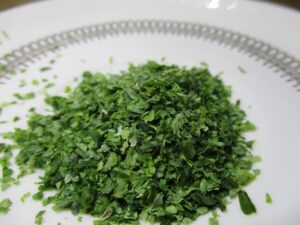
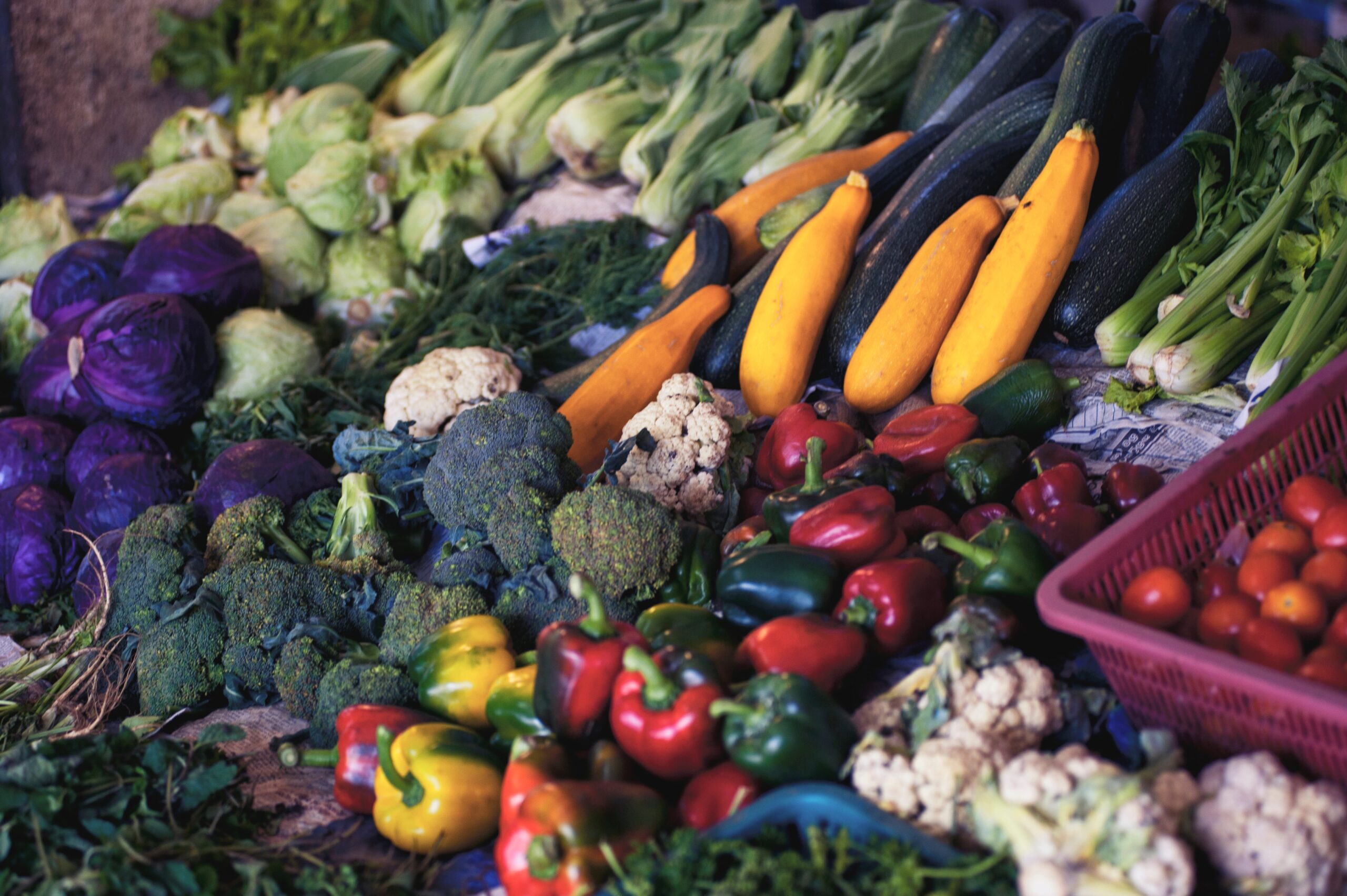
Goitrogenic foods include cruciferous vegetables – broccoli, cabbage, Brussels sprouts, radishes, and cauliflower. Rapeseed and canola, used to make oils, also contain goitrogens, as do peanuts, soybeans, spinach, kale, sweet potatoes, strawberries, pears and peaches.

Goitrogenic foods only significantly affect thyroid function if your iodine intake is low, and cooking these foods inactivates goitrogens and stops them from affecting your thyroid function.

Thyroid health and adrenal function go and in hand. The way you handle stress has a direct effect on both these two glands.
Chronic stress – the norm’ in the 21 century – results in increased adrenaline and cortisol (stress hormones) being produced by your adrenal glands. Elevated cortisol has a negative impact on thyroid function, and so much more in fact.
When stress becomes long lasting, the flood of stress chemicals produced by your adrenal glands interfere with your thyroid hormones, contributing to many health issues like obesity, high blood pressure, high cholesterol, and crazy blood sugar levels.
Adrenal exhaustion can result if stress is prolonged – a condition also known as adrenal fatigue. This condition is often found holding hands with thyroid disease. It’s very important we learn to manage our stress by learning a mediation technique, gentle exercise and practicing Mindfulness.
Bromines are a common endocrine (hormone) disruptor, making iodine unavailable in the thyroid and anywhere else iodine is needed. This will inhibit thyroid hormone production resulting in a low thyroid state.
When you ingest or absorb bromine, it displaces iodine, and this iodine deficiency leads to an increased risk for cancer of the breast, thyroid gland, ovary, and prostate. This phenomenon is has been given its own name – the ‘Bromide Dominance Theory’.
Bromine toxicity can also result in skin rashes, psychiatric disorders, severe acne, loss of appetite and abdominal pain, fatigue, a metallic taste in the mouth, and cardiac arrhythmias.
Bromines can be found where?
– Pesticides (methyl bromide)
– Medications such as some inhalers, nasal spray, for ulcers, and anesthesia agents
– Plastics (to make computers)
– Fire retardants like polybromo diphenyl ethers or PBDEs is used in fabrics, carpets, upholstery, and mattresses
– Bakery goods and some flours – for impatient bakers (potassium bromate)
– Soft drinks, including Mountain Dew, Gatorade and other citrus-flavored sodas – in the form of brominated vegetable oils (BVOs)

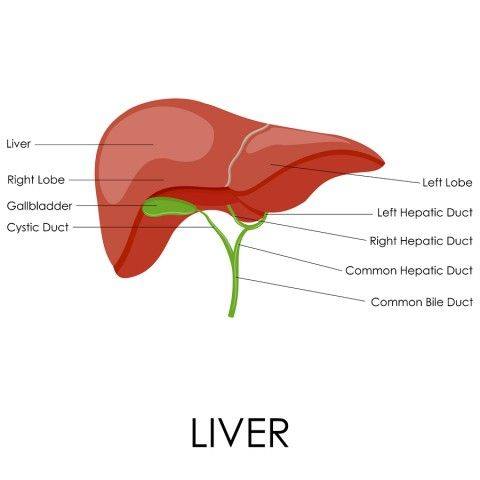
Almost 90 percent of the hormone produced by your thyroid is in the form of T4, the inactive form. Your liver then needs to convert the T4 into T3 – the active form – with the help of an enzyme.
Poor thyroid function has been linked to conditions like fibromyalgia, irritable bowel syndrome, acne, eczema, gum disease, adrenal fatigue, infertility, and autoimmune diseases.
Get the correct tests you need, and in the meantime keep your liver as clean as possible. Use my website’s search engine to find out more on ‘liver health’.
Hormones secreted by your thyroid interact with all your other hormones, including insulin, cortisol, and sex hormones like estrogen, progesterone, and testosterone. All of the hormones are in constant communication, which explains why the health of the thyroid is connected to so many other symptoms and diseases.
Diagnosis. Getting Tested, and Re-Tested if necessary. And even if all your lab’ tests turn out normal, you’re still likely have sub-clinical hypothyroidism if you have multiple symptoms. If you’re GP won’t order these tests, then perhaps it’s time to find a good ‘Integrative’ GP and/or a Naturopath.
WHAT TO TEST.
- TSH Test – The ideal level for TSH is between 1 and 1.5 milli-international units per litre. The higher your level of TSH, the higher the likelihood that you have hypothyroidism.
- Free T4 And Free T3 – The normal level of free T4 is between 0.9 and 1.8 nanograms per deciliter. T3 should be between 240 and 450 picograms per deciliter.
- Thyroid Antibody Testing – includes antibodies and anti-thyroglobulin antibodies. This measure helps determine if your body is attacking your thyroid, overreacting to its own tissues – i.e. autoimmune reactions. This is almost never automatically tested.
- Basal Body Temperature – A measure of your basal body temperature at rest.
- TRH Stimulation Test – For more difficult cases, TRH can be measured using the TRH stimulation test. TRH helps identify hypothyroidism that’s caused by inadequacy of the pituitary gland.
When your body is working well, it will make what you need and have the right amounts of T3 and T4 – properly controlling the metabolism of every cell in your body. Happy days!
If your T3 is inadequate, your whole body suffers. T3 is critically important because it sends messages to your metabolism to burn fat. In this way T3 lowers cholesterol levels, regrows hair, and helps keep your weight even.
T3 levels can get out of whack from:
– a poor diet
– toxic overload
– allergens
– infections
– stress
Do you have all the symptoms of a thyroid problem yet your blood test came back negative? Endocrinologist Kenneth Blanchard, M.D. Massachusetts says –
“The key thing is … doctors are always told that TSH is the test that gives us a yes or no answer. And, in fact, I think that’s fundamentally wrong. The pituitary TSH is controlled not just by how much T4 and T3 is in circulation, but T4 is getting converted to T3 at the pituitary level. Excess T3 generated at the pituitary level can falsely suppress TSH.”
Hence, many people who are simply tested for TSH levels and are found to be within “normal” range are, in fact, suffering from thyroid problems that are going undetected.
Adrenal Fatigue (that’s many of us in the modern world) can and does lead to thyroid issues. Meditation and practicing Mindfulness is the best medicine here.

An over active thyroid may cause weight loss but it’s not a healthy state to be in of course.

Graves’ Disease is an autoimmune disease where the thyroid is overactive, producing an excessive amount of thyroid hormones (hyperthyroidism and thyrotoxicosis). It is far less common than an UNDERactive/ hyPOthyroid.
HypERactive thyroid is caused by thyroid autoantibodies that activate the TSH-receptor, thereby stimulating thyroid hormone synthesis and secretion, and thyroid growth (enlarged goiter).
Symptoms include bulging eyes and a goitre.
Below – Bugleweed alleviates an overactive thyroid.

The thyroid gland produces two primary hormones – thyroxine (also referred to as T4) and tri-iodothyronine (also referred to as T3). An overactive thyroid releases too much T4 and T3 into the bloodstream, causing the metabolism to speed up too much. It affects more women than men, in fact 2 in 10 when will experience hyperthyroidism after pregnancy but in most cases it will resolve itself.
The most common cause of Hyperhyroidism is Graves’ disease. This is an autoimmune condition in which antibodies behave like thyroid-stimulating hormone (TSH) and stimulate the thyroid uncontrollably.
Symptoms of an overactive thyroid include –
Rapid pulse
Tremor (shaking) of the hands
Sweating and sensitivity to heat
Weight loss (despite an increased appetite)
Nervousness, agitation and anxiety
Fatigue
Diarrhoea
Bulging eyes
Goitre (More on this throughout the week)
TREATMENT
Helpful foods
• Brassica family—cabbage, broccoli, brussels sprouts, cauliflower and kale—as they can suppress thyroid function
• peaches, pears, spinach, radish, apples, almond, walnuts, soy fibre and turnip for the same reason.
Foods to avoid
• kelp and other sea vegetables, as they contain iodine.
Herbal medicine
• bugleweed is specific for an overactive thyroid and, of course, other herbs are needed to support the individual’s imbalance. Ask for this in your health food store.
Supplements
• omega 3 oils and vitamins C and E help decrease the inflammation associated with this type of disease.
Lifestyle factors
• avoid stimulants such as coffee, tea (all caffeine in fact) and nicotine
• bone loss may result, so keep your magnesium and calcium levels up—a bone density test wouldn’t hurt
• malabsorption may result due to increased digestion, so maintaining a good diet is important
• if you have this disease you will most likely be under the care of a clinical endocrinologist
• have your thyroid hormone (T4) checked regularly
• your heart and liver may also be affected, so keep them in good health by maintaining a diet high in fibre, plant protein, complex carbohydrates and leafy green vegetables. (Excerpt from my book ‘Elixir: How To Use Food As Medicine’.)
With all the bad press carbs have received over the past decade or two, it’s time to set the record straight and reinstate the good reputation carbohydrates have enjoyed and deserved for centuries.
I think some of the confusion around carbs may have stemmed from the different terms we’ve been using – simple vs complex, low glycemic vs high glycemic, fast vs slow, refined vs complex and bad vs good.
When did carbs become the enemy? Around the same time potatoes, peas and carrots did I dare say? This was once the majority of our calories came from white flour.
At present low-carb diets are all the rage but they are nothing new. In fact, various health practitioners have been proponents of this way of eating since the 1800s. In a time when diseases such as diabetes, multiple sclerosis, adrenal fatigue, cancer and heart disease are on the rise, people are searching for answers—and every food seems to have its day. First, we are told to cut down on our fat, then our protein, then to increase them, and now it’s carbs in the firing line.
It’s no wonder our digestive tracts have had a ‘gut-full’. Refined wheat and its products should be eaten only in moderation, if at all.
As there are so many other grains available to us, it’s interesting that processed and refined wheat – closely followed by white rice in the West – have become the principle grain consumed.
Complex carbs such as kamut, millet, spelt, quinoa, amaranth, barley and rye, legumes, nuts and seeds, and fruits and vegetables are highly nutritious and are often higher in essential minerals, vitamins, complex carbohydrates and protein than animal products.
Simple Vs Complex Carbs
Foods with high carbohydrate content are defined as simple or complex based on their chemical structure. A “simple” carbohydrate with a high GI breaks down quickly during digestion and therefore releases glucose into the bloodstream rapidly. This is what happens when you eat white sugar, white flour and their products – cakes, muffins, bread, pastries, pizza, lollies, cakes, muffins, soft drinks etc.
The more “complex” that structure is, the slower it takes to digest and absorb. Complex carbs are things like legumes, whole grains, nuts and seeds, and fruits and vegetables.
The faster the carbs digest and absorb, the more it spikes your blood insulin levels. This is why diets high in refined carbs have been shown to increase our risk of diabetes and heart disease, mental health issues and obesity – while diets high in complex carbs help do the opposite.
Refined carbs also tend to be highly processed foods that lack any nutritional value, while complex carbs are typically unprocessed, high in fiber, vitamins and minerals.
As refined carbs have been processed to remove the outer fibre of the grain, leaving only the germ, which is primarily sugar – you can eat lots of these before you start to feel full, and the hit of sugar will give you an instant burst of energy leaving you feeling a bit ‘high’ before ‘crashing’. That ‘crash’ signals constant hunger and cravings.
To add to the confusion it turns out that some foods that technically fit the “complex carb” label can actually end up causing a rapid spike in blood sugar levels also.
Glycemic Index
This is why the Glycemic Index (GI) came into being. The glycemic index classifies carbs based on how quickly and how high they raise blood sugar levels when compared to pure glucose (sugar), although white bread is now used as the reference food in its place. A GI of 70 or more is high, a GI of 56 to 69 inclusive is medium, and a GI of 55 or less is low.
This of course is useful for many reasons, the most important being prevention and treatment of a variety of health issues associated with frequent and sustained spikes in blood sugar levels.
A carbohydrate with a low GI breaks down relatively slowly therefore causing a more gradual release of glucose into the bloodstream. This is preferable of course.
Glycemic Load
The problem however, is that the glycemic index does not take into account serving size. Meaning, 25 grams of a high glycemic food doesn’t create the same blood sugar spike that 50 grams of that same food would. So, along came the Glycemic Load to account for the amount of carbs present in each serving as opposed to only considering the food on its own, irrespective of how much of it you ate.
The carbohydrate in watermelon, for example, has a high GI. But there isn’t a lot of it, so watermelon’s glycemic load is relatively low. A GL of 20 or more is high, a GL of 11 to 19 inclusive is medium, and a GL of 10 or less is low.
Which takes me onto another issue. The Glycemic Index only measures foods when eaten in isolation, as when you’ve decided it’s ok to eat that whole bag of crackers on their own, but not ok to have them with anything as that would just increase the guilt, therefore not ok.
Of course eating refined carb foods in isolation is rare, and what you have with them dramatically changes things. For example, there’s likely to be hummus on those crackers, or Napoli sauce with your pasta.
Protein, fat and various other nutrients being eaten at the same time will greatly affect the true GI of a refined carb’ food, and the overall digestion/absorption of the meal.
Still the Glycemic Index has its place, and that is to help us understand that as a general rule, low to moderate glycemic foods should be your carbohydrate of choice. High glycemic foods should be limited – these are sometimes foods.
There are plenty of websites that will help you find the Glycemic Index or Glycemic Load Of A Food.
Daily Requirements
A moderate carbohydrate intake is around 200-300g per day, depending on your calorie intake. It is appropriate for people who aren’t trying to loose weight, are active and simply wanting to maintain their health and wellbeing.
Are Carbohydrates Essential
Since the agricultural revolution, carbs have usually accounted for the majority of our calories. Put simply, protein and fat – specifically the omega-3 and omega-6 fatty acids- are essential to our body. Carbs on the other hand are not. Yes, our brain and other tissues do require a small amount, but the human body produces that small amount on its own. The same cannot be said for protein or the essential fatty acids, all of which must be supplied through one’s diet.
Do Carbs Make Me Fat?
Insulin, the fat-storing hormone, is stimulated in excess by the pancreas when too many refined carbohydrates and sugars are eaten. If this hormone remains high, due to excessive amounts of carbohydrates in the diet, then ketosis/lipolysis cannot occur. This state is important for weight loss, as it breaks down fat, instead of glucose, to be used as energy by the body and the brain. But do they make us fat…..
While the “low carb” craze has been no doubt confusing and created all sorts of obsessions, the one thing that usually makes us gain weight in our diet is eating too much (of anything) whilst having a sedentary lifestyle, and too much stress. It’s not the carbs themselves that cause the gain, it’s the excess calories those carbs provided. There are exceptions of course, like in cases of digestive problems such as SIBO, Fructose Malabsorption, certain intolerances and dysbiosis.
There are many studies showing that low-carb diets are more effective and healthier than the low-fat diet that is still being recommended.
What about Phytic Acid
Along with saponins and lectins, phytic acid is considered an anti-nutrient, which means those who follow paleo nutrition have probably eliminated it from their diet. Phytic acid or phytate is something found in many types of plant foods, such as grains, legumes (including peanuts and soybeans), nuts, and seeds. It’s the storage form of phosphorus, an important mineral used in the production of energy as well as the formation of cell membranes. These foods are gaining a bad reputation due to the phytic acid’s ability to bind to essential minerals such as iron, zinc, calcium, and magnesium in the digestive tract and inhibit their absorption by the body.
However, the severity of phytic acid’s effect on overall health tends to be a bit exaggerated. Despite being somewhat demonized for its ability to reduce mineral absorption, phytic acid has some redeeming qualities.
Phytic acid can act as an antioxidant and although research in humans is a bit scarce, there have been several studies demonstrating the potential positive effects of phytic acid in fighting cancerous tumor cells. This may partially explain why high-fiber diets tend to be associated with reducing colon cancer risk. Phytic acid has also shown some capacity to reduce cholesterol and triglycerides, and positively impact the glycemic response of certain foods. In some cases, phytic acid seems to have an ability to slow down a potential blood sugar spike following the ingestion of certain high-carbohydrate foods. Again, this may explain why high-fiber foods have been associated with improved blood sugar control.
However, the potential benefits of phytic acid occur in high dietary intake, yet a high intake has also been associated with reduced mineral absorption. So, in order for us to get the best out of phytic acid, we should understand ways we can minimize the negative effects while maximizing the benefits.
One way is by incorporating more vitamin C (ascorbic acid) into our diet. Another is using preparation methods such as soaking, germinating, or fermenting as they can be very effective in reducing the amount of phytic acid present in foods. Some methods are better for different foods. In the case of nuts and legumes, soaking and germinating are most successful, but for grains and cereals, all three are effective. And lastly, try eating foods that contain phytic acid away from foods that are richer in minerals. From a practical standpoint, one could accomplish this by eating meals of protein and fat separate from meals of carbohydrate and fat.
Conclusion
Complex carbohydrates are essential for a healthy body and mind. They are loaded with B vitamins, which nourish the nervous system amongst their many virtues. They provide sustaining long-term energy, proteins for tissue building and fats for lubrication and tissue support. This type of diet is also high in fibre, which allows efficient elimination. Unless it’s processed junk food, cutting an entire food group out of your diet is rarely a good idea.
The body is much more unique and complex than we can truly understand, and the food we eat tends to have many different functions once it’s inside of us. Every person – though sharing similar nutritional needs – is going to respond differently. Keep an open mind and always – listen to your own body. It will tell you what it likes and doesn’t’.
Janella Purcell 2015.
Table of Glycemic index and load values |
|
| The average GI of 62 common foods derived from multiple studies by different laboratories | |
| High-carbohydrate foods | GI |
| White wheat bread* | 75±2 |
| Whole wheat/whole meal bread | 74±2 |
| Specialty grain bread | 53±2 |
| Unleavened wheat bread* | 70±5 |
| Wheat roti | 62±3 |
| Chapatti | 52±4 |
| Corn tortilla | 46±4 |
| White rice, boiled* | 73±4 |
| Brown rice, boiled | 68±4 |
| Barley | 28±2 |
| Sweet corn | 52±5 |
| Spaghetti, white | 49±2 |
| Spaghetti, whole meal | 48±5 |
| Rice noodles† | 53±7 |
| Udon noodles | 55±7 |
| Couscous† | 65±4 |
| Breakfast Cereals | |
| Cornflakes | 81±6 |
| Wheat flake biscuits | 69±2 |
| Porridge, rolled oats | 55±2 |
| Instant oat porridge | 79±3 |
| Rice porridge/congee | 78±9 |
| Millet porridge | 67±5 |
| Muesli | 57±2 |
| Fruit and fruit products | |
| Apple, raw† | 36±2 |
| Orange, raw† | 43±3 |
| Banana, raw† | 51±3 |
| Pineapple, raw | 59±8 |
| Mango, raw† | 51±5 |
| Watermelon, raw | 76±4 |
| Dates, raw | 42±4 |
| Peaches, canned† | 43±5 |
| Strawberry jam/jelly | 49±3 |
| Apple juice | 41±2 |
| Orange juice | 50±2 |
| Vegetables | |
| Potato, boiled | 78±4 |
| Potato, instant mashed | 87±3 |
| Potato, french fries | 63±5 |
| Carrots, boiled | 39±4 |
| Sweet potato, boiled | 63±6 |
| Pumpkin, boiled | 64±7 |
| Plantain/green banana | 55±6 |
| Taro, boiled | 53±2 |
| Vegetable soup | 48±5 |
| Dairy products and alternatives | |
| Milk, full fat | 39±3 |
| Milk, skim | 37±4 |
| Ice cream | 51±3 |
| Yogurt, fruit | 41±2 |
| Soy milk | 34±4 |
| Rice milk | 86±7 |
| Legumes | |
| Chickpeas | 28±9 |
| Kidney beans | 24±4 |
| Lentils | 32±5 |
| Soya beans | 16±1 |
| Snack products | |
| Chocolate | 40±3 |
| Popcorn | 65±5 |
| Potato crisps | 56±3 |
| Soft drink | 59±3 |
| Rice crackers/crisps | 87±2 |
| Sugars | |
| Fructose | 15±4 |
| Sucrose | 65±4 |
| Glucose | 103±3 |
| Honey | 61±3 |
| Data are means. *Low-GI varities were also identified. †Average of all available data. | |
[/private]
A humid/mouldy environment just makes allergies so much worse. Everything feels constantly wet. I live in this kind of climate and the mould in summer is crazy. I bought a dehumidifier and it has pretty much solved the problem. Or you can DIY using chalk.
Vitamin C is an important antioxidant, and is needed for a healthy immune function. It also keeps our skin supple and elastic thanks to its role in collagen production, and supporting wound healing and circulation.
Extra Vitamin C will be needed in times of stress, and in treating allergies like eczema, asthma, sinusitis, dermatitis and hives. RDI is 75mg per day.
Our bodies can’t make this essential vitamin and we can’t store it for more than a couple of hours. So it’s important we are getting enough, regularly. And of course it’s best to get your daily intake of Vitamin C as naturally as possible.
Lifestream have just launched a 100% natural wholefood Vitamin C powder that can be added to cereal, salads, smoothies, juices and other dishes. I’ve put it in my ‘Immunity Nut Butter Cups’ below.
A wholefood Vitamin C, it’s made from acerola berries and is readily absorbed by the body (unlike synthetic vitamin supplements). As a bonus – it tastes really yummy on its own.

- Sleep. It is important to get at least 8 hours sleep a night, and if possible an hour’s nap during the day. Less than this will lead to oxidative stress (not good).
- Reduce or stop smoking, or at least stop smoking tailor made cigarettes. Roll your own if you’re continuing to smoke, and look for organic or at least ‘chemical-free’ tobacco.
- Reduce your intake of alcohol. Choose sulphur-free alcohol where you can.
- Get adequate rest (apart from sleep), fresh air and exercise.
- Reduce stressful relationships and situations, and deal with underlying emotional issues. This is so, so important.
- Avoid drinking tap water.
- Avoid produce grown with chemicals such as pesticides, fertilisers, fungicides and herbicides. Buy organic where you can.
- Avoid processed foods.
- Whatever brings you joy – do that more often.

Gubinge is the Nyul Nyul language name for the Kimberley version of the Kakadu Plum. It is wild-harvested from the Dampier Peninsula just north of Broome and is the highest natural source of vitamin C on the planet.
Add to it your cooking, smoothies, breakfast cereal, desserts – or just buy some yummy gubinge flavoured chocolate. Look for it in health food stores.
Loving Earth have a lovely powder and it’s also in their chocolate and Luvju’s.
An ancient, unchanged whole-grain – with a great capacity to strengthen immunity. It has other benefits to our health as well. I can’t eat common wheat flour in Australia, I think due to the synthetic form of folate it’s fortified with (since the 90’s) called folic acid.
Organic wheat flour and spelt don’t contain folic acid so many of us will find it easy to digest. Hooray for gluten in its rightful place and ratio. You’ll easily find it these days. Replace your white flour with spelt flour in your pantry.
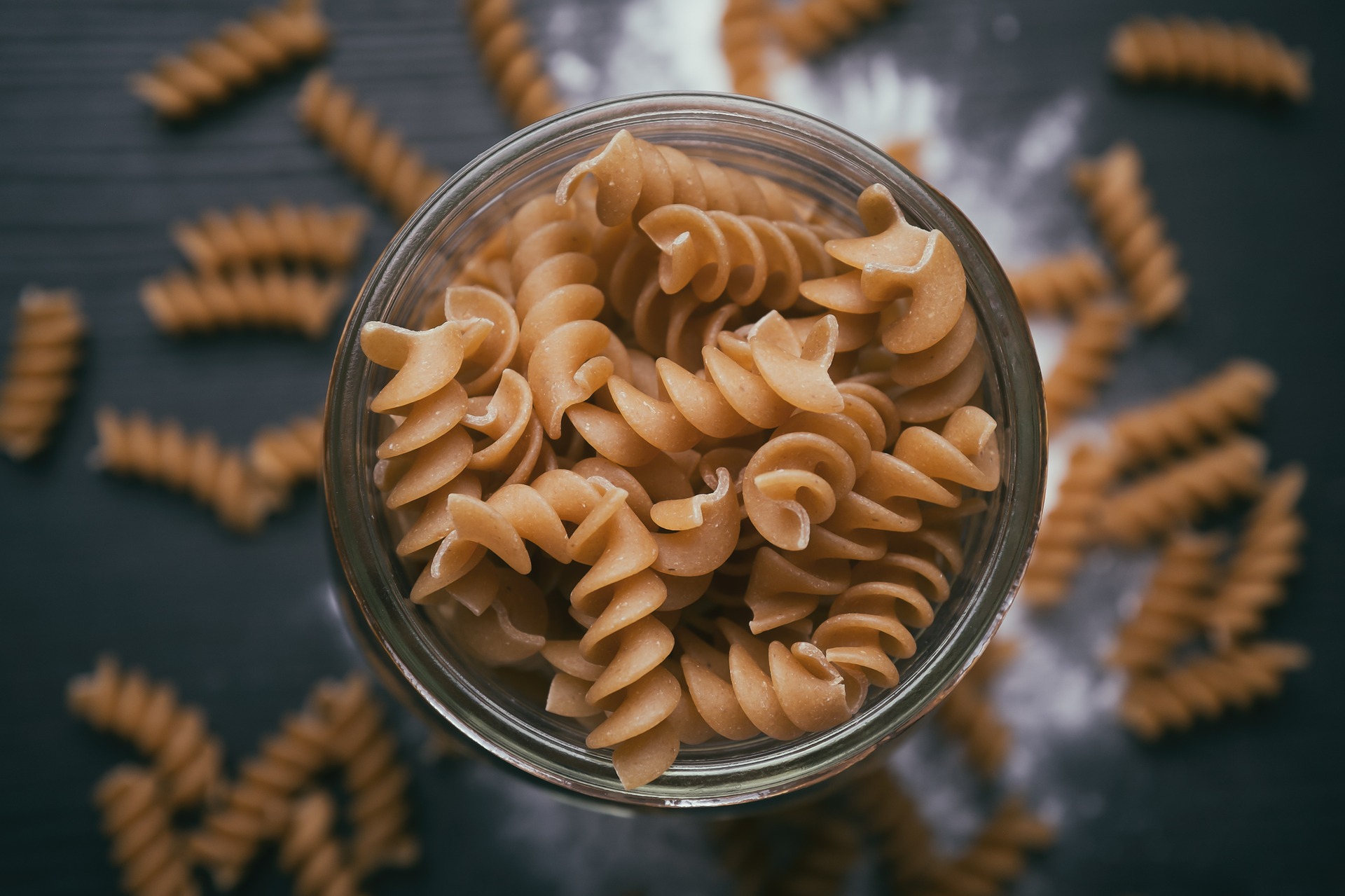
Also look for pasta, whole grain bread, breakfast cereals and porridge made from this lovely grain from Persia.


Tulsi (Holy Basil) Ocimum tenuiflorum. Tulsi has a lot of reverence for the Hindus. In fact, people worship Tulsi everyday in the morning as well as evening time. Most homes will have a plant as it’s considered sacred, not least because of its many medicinal qualities.
I am now using this exceptional herb in my clinic – as it has only very recently become available as a tincture – with wonderful results. Tulsi is rejuvenating, immune boosting, helps restore our bodies negative reaction to stress, removes fluoride from water, has a wonderful effect on the adrenal glands and cardiovascular and nervous system and is anti fungal, so is a great herb to treat a candida overgrowth.
Traditionally, many an Indian Grandma relied on a tea made from the leaves of Holy Basil to relieve indigestion and headaches. Now the firsts test are showing it might also inhibit breast cancer. A tea made of Holy Basil shrunk tumours by reducing their blood supply, and stopping their spread. To aid in breast cancer treatment, drink the tea daily. (It must be ‘Holy Basil’, not other varieties of basil.) Pour 2 cups boiling water over 10 to 15 fresh holy basil leaves and steep 5 minutes Remove the leaves before consuming. Or get it as a liquid tincture.
If you grow it yourself at home (easy), add the fresh leaves to your salads, stir fry’s, curry and smoothies. You probably won’t find Tulsi seeds or plants at your local nursery so ask them to order them for you, or look on-line. You’ll find it in health food stores as a supplement, tea or liquid tincture.
A friend dries her organic tulsi, calendula and rose petals in her dehydrator, then kindly shares the tea with me.

Garlic and its juice: Garlic is one of the best medicines in the world. It has natural ‘germanium’ which will help to boost immunity, and is anti-fungal and antibacterial, just to name a few of its actions.
If you’re cooking your garlic, ideally crush it up and let it sit for ten minutes before adding it to your recipe. It needs this time so that the enzymes can create the healing phyto (plant) -chemicals we need
Try to avoid the bleached, yucky garlic from China or Russia or anywhere else apart from Australia. It’s so easy to grow yourself. I pop lots of cloves in the soil, about 20cm apart – each Easter. October long weekend is harvest time and the harvest lasts me almost all year.

It will help ease almost any gut complaint.
Mix 1/3 cup of apple cider vinegar with 1 cup warm clean water and 1/4 cup of raw honey (can use less or more honey, depending on your taste) and have it spread out throughout the day. Or drink it all at once.
The ACV available in supermarkets is refined and distilled, over-processed, over-heating, and filtered. DIY vinegar is easy, and cheap.
By making your own ACV you’re boosting the natural fermentation qualities of the apples. When the vinegar is ready, it contains a dark, cloudy, web-like bacterial foam called mother, which becomes visible when the rich brownish liquid is held to the light. The mother can be used to hasten maturity for making more Apple Cider Vinegar. Natural vinegars that contain the mother have enzymes and minerals that other vinegars in grocery stores may not have.
Homemade Apple Cider Vinegar Recipe
Here’s what you need –
– cores and peels from 6-8 (preferably) organic apples (colour not important)
– 2 tbsp organic sugar or raw honey
– filtered water to cover
Method – After you’ve dried apples, made apple muffins or fruit salad etc, place the cores and peels in a large, wide-mouthed jar. Cover the scraps with water and stir in the sugar or honey.Place a paper towel on top of the jar, and secure it with a band. Let the mixture sit for 2 weeks at room temperature, then strain out the liquid. Discard the solids. (compost or worm farm.)
Return the liquid to the jar and cover it again with a paper towel and band. Leave it for 4 more weeks, stirring daily.
Taste it and see if it has the acidity you would like. If it does, transfer it to a bottle with a lid for storage. If not, leave it in the wide-mouthed jar for a little while longer, checking every few days.
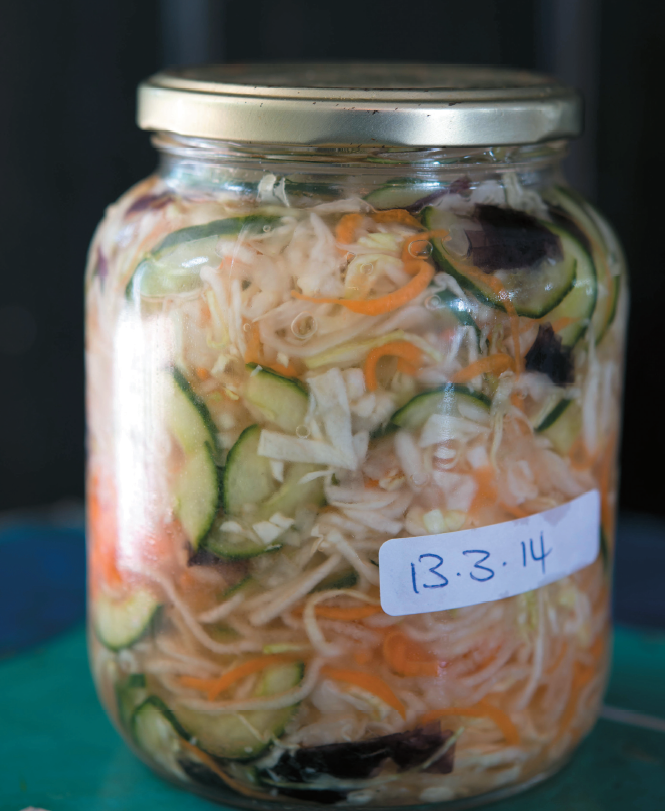
Keep your gut flora balanced by eating sauerkraut, miso paste (not from Japan), or kefir, or yoghurt or quark – if you eat dairy. Great for the maintenance of guy health. Take a strong practitioner-only broad- spectrum probiotics if your gut needs a lot of help. Recipe below –
HEARTBURN is what notifies you that you’ve just eaten something that disagrees with your stomach.
GERD: Gastro-esophageal Reflux Disease – or acid reflux – as it is more commonly called, is when the acid contents of food – or even pancreatic liquids – travel back up into your esophagus, causing you discomfort and even harm.
Many people mistakenly believe all acid reflux and indigestion is caused by an overproduction of acid. The latest research shows it’s actually the opposite for many people: There is too little acid produced to adequately digest the food eaten.
The acid causes inflammation, irritation, and scarring which can narrow the size of your esophagus. The most common symptoms are hoarseness, burning of the throat, irritation, nausea, coughing, wheezing, asthma-like symptoms, food getting stuck in your throat, and eroded tooth enamel.
Being overweight may cause to contribute to the problem as abdominal fat may interfere with esophagus function. The esophageal sphincter weakens with age, as well as with a number of other things like chocolate, alcohol, nicotine, caffeine, greasy, spicy, and fatty foods.
Suggestions –
- chew well
- eat slowly and mindfully
- aim to be at a healthy weight
- changing your diet will make a difference for about 30 percent of people. Probably those eating too many processed foods
- eat raw almonds, an alkaline-producing food that will help to balance your pH levels
- drink 30mls @enjoylifestream aloe vera juice daily twice daily, on an empty tummy
- take digestive enzymes (vegan) before your meals. Available from health food stores and pharmacies
- try the herbal medicine gentian before your main protein meals. Available from most health food stores
- Room temperature and clean water and lemon. Drink this on an empty stomach 15 to 20 minutes before a meal
- Avoid cold water as it tends to stress your stomach and intestines, and they constrict. Warmer water is milder on your esophagus, stomach, and body
- try a teaspoon of (aluminium-free) baking soda in a half cup warm water
- Apple cider vinegar, sauerkraut and other highly acidic foods also work well to help stimulate acid
- take a practitioner-only, multi strained probiotic. Available form your health food store
- slippery elm is another herbal supplement you can try in capsule, powder, or lozenge form. It will soothe the irritated tissues of your digestive tract
- chamomile, peppermint (after meals) or fenugreek tea may help reduce acid reflux symptoms
- try sleeping on your left side. Studies found that sleeping on your stomach or right side causes undue pressure on your intestines and increases GERD symptoms.
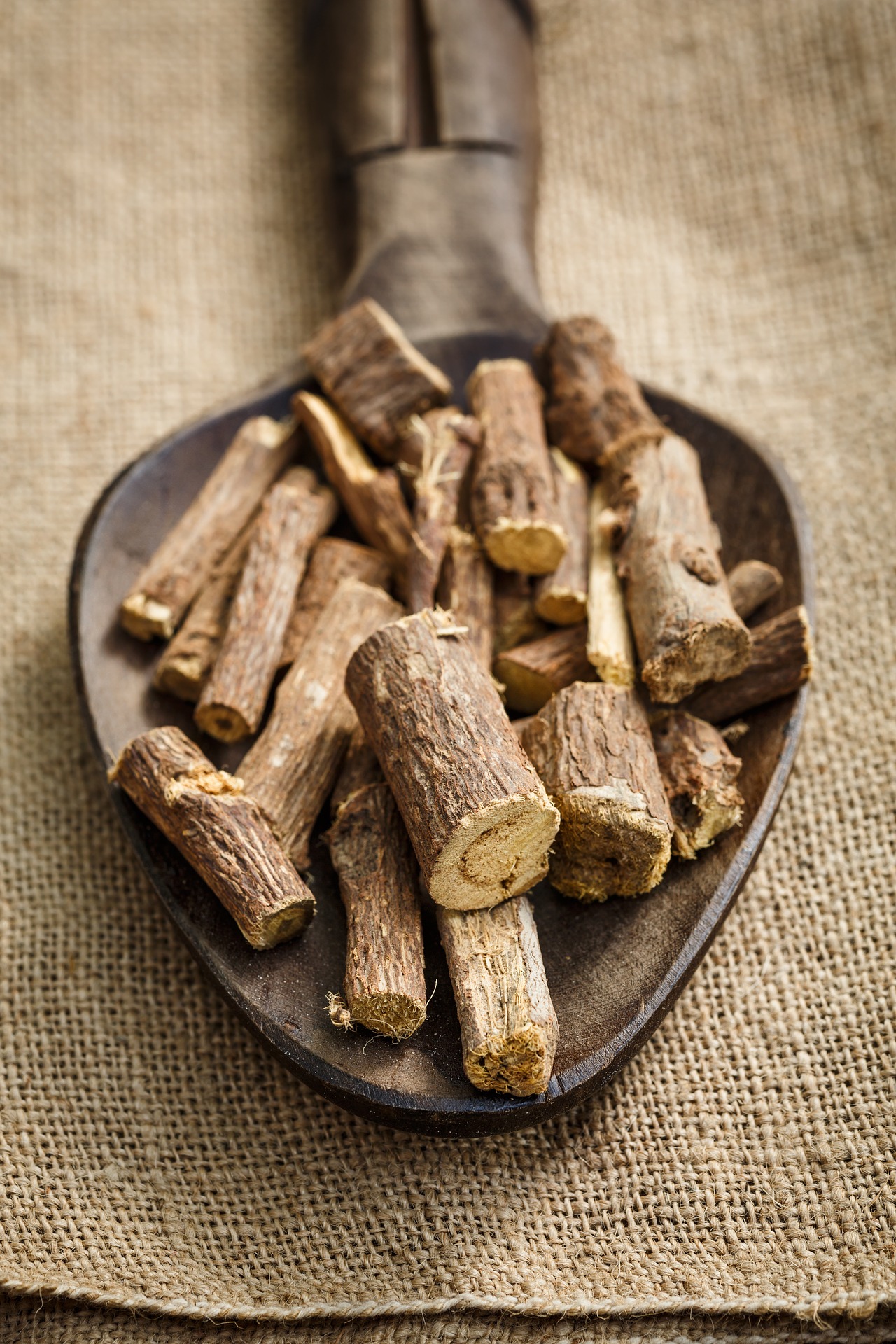
For CONSTIPATION – liquorice root tea or the liquid herb or tablet; slippery elm, psyllium husk drunk with loads of water, dandelion, burdock and yellow dock roots – either concocted (meaning boiled then liquid strained) or as herbal medicine. Lifestream Aloe vera juice is great her also.
BITTER HERBS like Gentian Root are used to treat digestive disorders and states of exhaustion from chronic diseases. They stimulate the liver, gall bladder and digestive system, strengthening the overall human body. You’ll find them in your health food store
Ever wonder why we get gas and pain in our GIT’s? A lot of the time it’s about an imbalance in gut bacteria – too many of the bad guys. Include fermented foods and/or a probiotic from your health foods store.
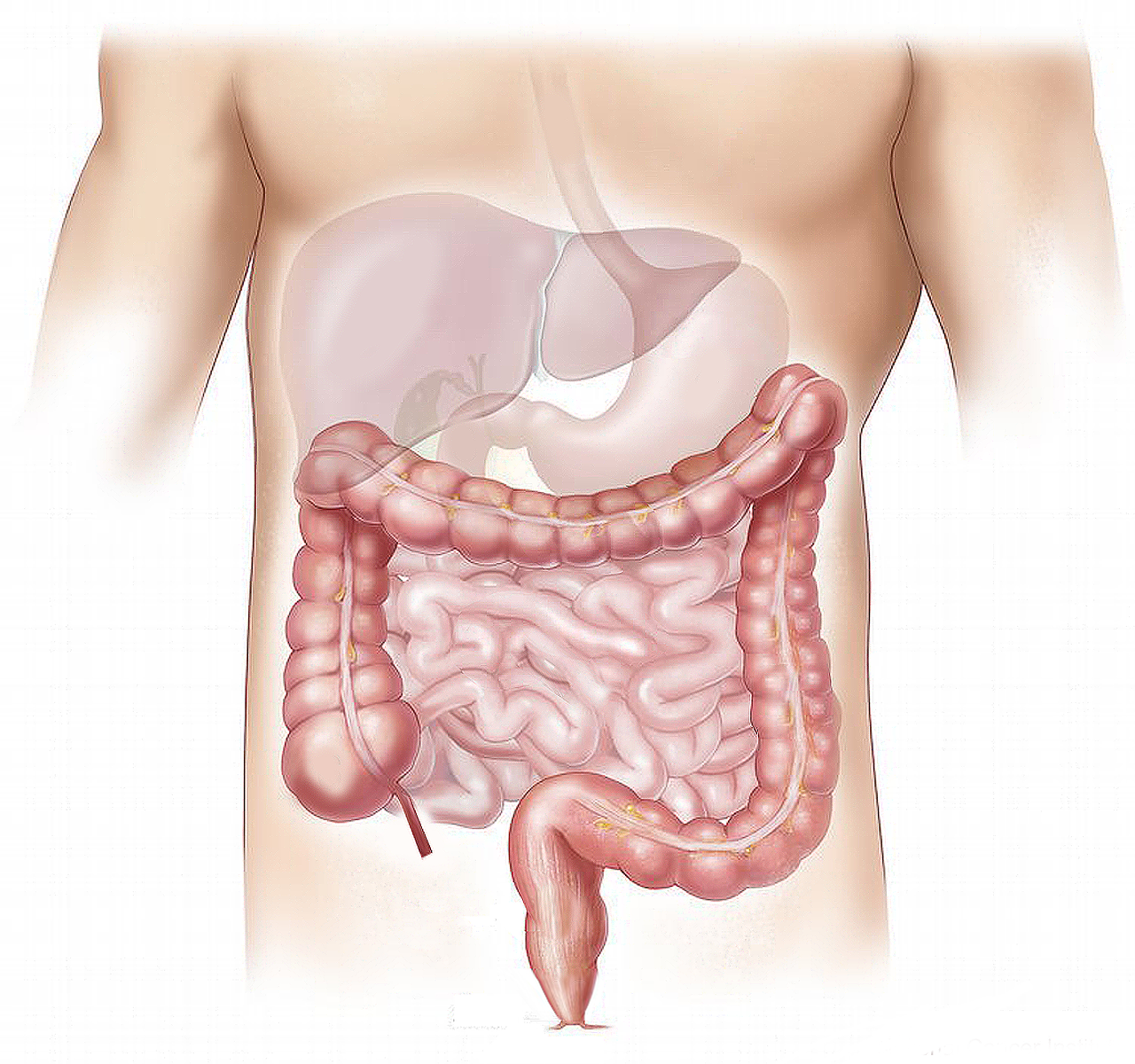
Once upon a time only a few of us suffered with gut problems, nowadays it’s almost the norm. Why? It’s a complex and very individual issue. This week I’ll cover some of the foods and medicines that can ease the symptoms.

Royal jelly, the sole food of the queen bee, is secreted by young nurse bees between their sixth and twelfth day of life. It is naturally created when pollen and honey are combined, then refined in the glands of the nurse bee. It contains all the B vitamins as well as minerals, enzymes, hormones, 18 of the 22 amino acids, anti-bacterial and antibiotic components and vitamins A, C, D and E. It has similar applications to that of bee pollen but it also has a strong effect on the glandular and reproductive systems of both sexes
Bee pollen is a rich source of protein and vitamin B12. It is one of nature’s completely nourishing foods and contains almost all the nutrients we need, although not all its properties are known. It may be used effectively for improving endurance and vitality, convalescence, reducing cravings, addictions and infections, building blood levels and overcoming developmental problems in children.
Vegans and many others feel these products – the bee’s food – shouldn’t be consumed at all. If you decide to then use both royal jelly and bee pollen mindfully, as a tremendous amount of time and energy is required to produce these nutritional elixirs.

This is a wonderful mask for cooling angry, red skin – perfect for soothing and reducing acne. Mix a teaspoon of Lifestream #spirulina powder with a little clean water – enough to make a wet paste. Apply to the face, preferably after cleansing. Using a brush or your fingers, smooth over your face, neck and chest. Leave on for about 20 mins then rinse off with warm water. Tone, then moisturise as normal. #janellasuperfood
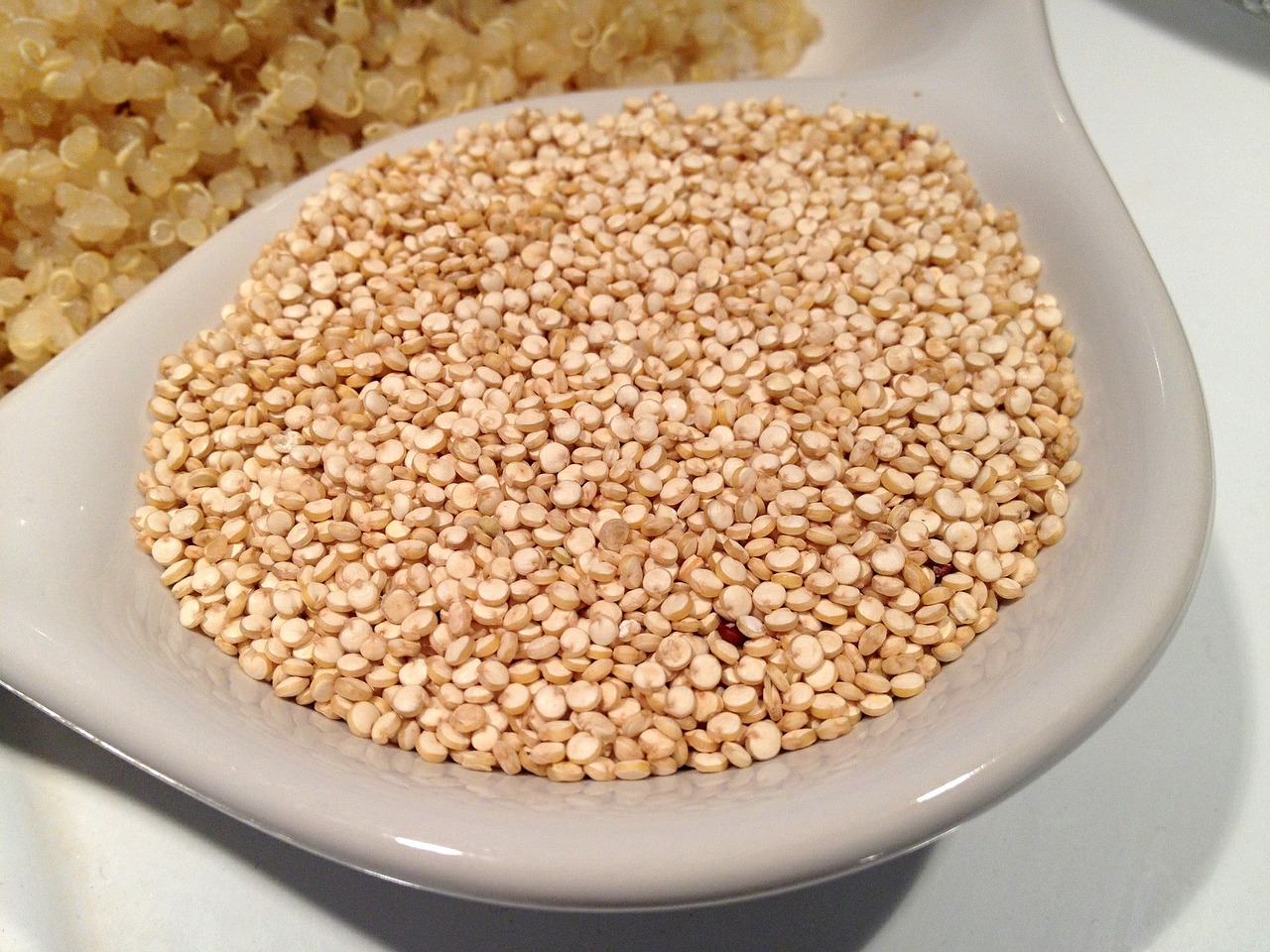
QUINOA is one of the most powerful super-foods in the world. This is a South American native crop – sometimes referred to as a ‘pseudo’ or ‘quasi’ grain but actually a seed, it contains many healthy fats and lots of protein. As for the protein content, there are approximately 14 – 18 grams of protein in 100 grams of quinoa which is pretty high for a seed.
The protein in quinoa contains all important amino-acids such as lysine. This compound is available in very limited amounts in most grains such as maize, rice and others. In addition, quinoa is excellent for people with celiac disease because it’s absolutely gluten-free.
Quinoa seeds are rich in fiber – both the soluble and the insoluble kind. There are 7 grams of fiber in 100 grams of quinoa and this important nutrient can do wonders for the digestive system. It can help relieve constipation by increasing transit time. Some people have trouble digesting quinoa however.
This pseudo-grain is packed with antioxidants and protein.
http://www.enlightened-consciousness.com/are-you-curious-about-quinoa/

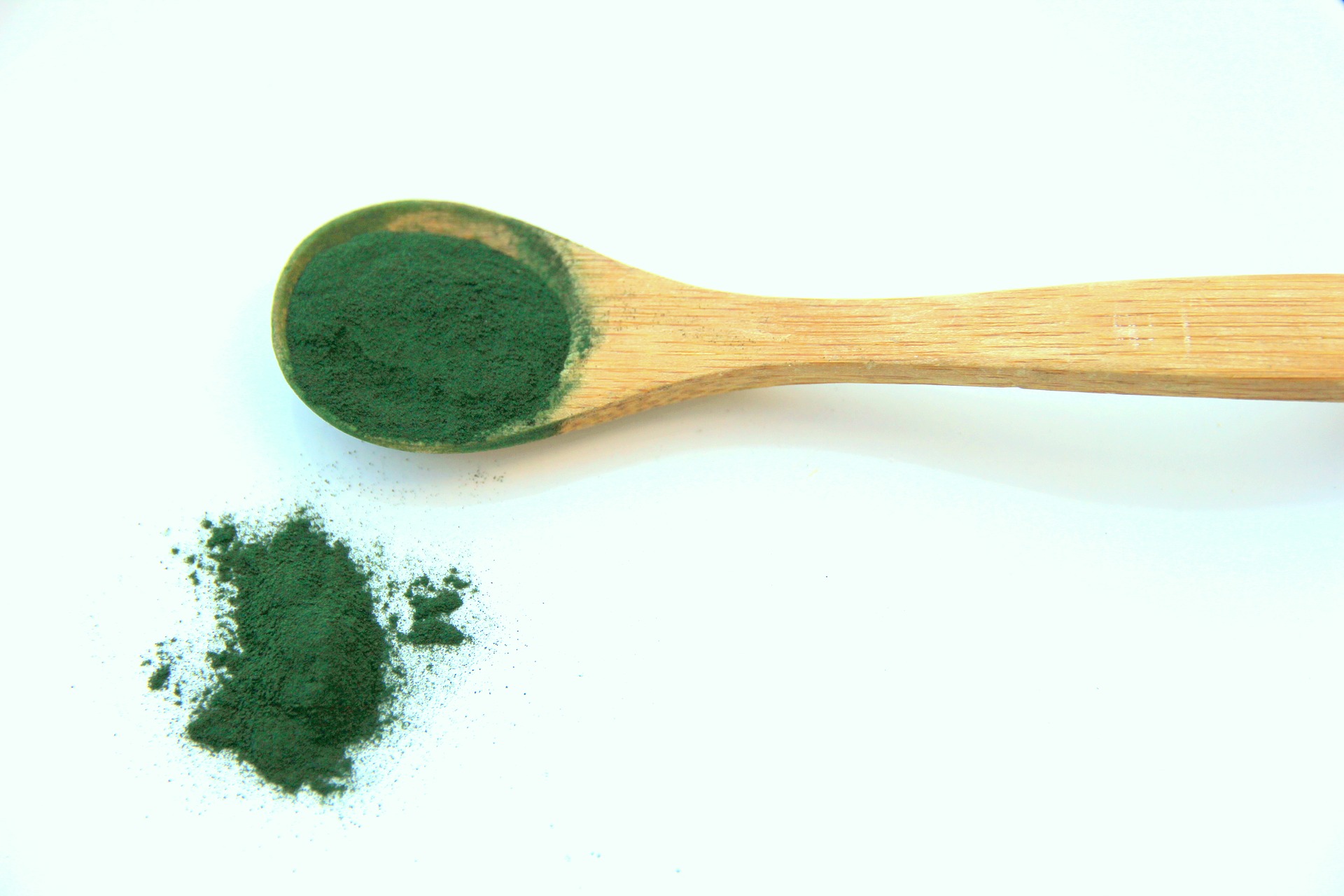
One of the first life forms on earth, Spirulina is a blue green micro-algae which is considered one of nature’s most perfect foods. It contains one of the richest concentrations of nutrients known in any food, plant, grain or herb. It has an excellent balance of nutrients including chlorophyll, carotenoids, vitamins, minerals, unique phytonutrients and all the essential amino acids. Spirulina is one of the highest protein vegetarian foods.
It contains a powerhouse of nutrients including iron, phycocyanin, GLA and carotenoids and when used in conjunction with a healthy balanced diet, helps to help keep you energized all day.
It is a powerful immune system support food due to its high levels of phytonutrients including carotenoids, xanthophylls and chlorophyll. It also contains the powerful enzyme Super Oxide Dismutase (SOD)
Goji berries contain 18 amino acids, 21 trace minerals, vitamin A, B-complex, C and E, and is a superior form of antioxidants. Goji berries benefits include:
• Significantly improves immune function
• Protects DNA
• Protects the eyes and liver
• Reduces inflammation
• Protects the heart
• Improves mood and libido
Try it as a tea, warm or chilled. Let the berries step for at least 1 minutes, or unit softened. As with all dried fruit, buy them organic or at least sulphur-free.
Herbal medicine Australia
Healing naturally. The power of herbal medicine and food as support.
In today’s busy and often over-medicated world, many Australians are going back to wellness basics. They are embracing herbal medicine, natural foods, and traditional healing practices to support their physical and emotional balance. This shift towards natural living is not just a trend. It is a choice to care for the body in a sustainable, empowering, and nourishing way.
What is Herbal Medicine?
This involves using plants and plant extracts to support health and treat illness. It is one of the oldest ways to heal. It has roots in many traditional systems. These include Chinese and Ayurvedic medicine, as well as Indigenous Australian bush remedies. In recent years, in Australia, it has grown in popularity. This is due to its gentle and effective approach. It focuses on treating the whole person, not just the symptoms.
Herbs like ashwagandha, turmeric, sage, and chasteberry are often used for many health problems. They can help reduce stress, support hormone balance, and improve digestion and immunity. These natural remedies work well with the body. They have fewer side effects than synthetic options and support long-term health.
Food as Medicine
Alongside herbs, food plays a central role in natural healing. Using whole, organic, and seasonal ingredients helps lower the body’s toxic load. It also supports gut health and helps every system work well. Through natural cooking, we can fuel ourselves with life-giving nutrients that support energy, clarity, emotional stability, and physical resilience.
Author and naturopath Janella Purcell is a leading voice in this space. She provides recipes, advice, and tips on how food and herbs can help with many problems. These include everyday tiredness and more serious issues like hormonal imbalance and skin problems. Her philosophy is simple: eat real food, live consciously, and treat your body with kindness.
Janella’s approach combines Herbal medicine with naturopathy and wholefood nutrition, making it accessible and practical for everyday Australians. Her blog has educational posts about real-life issues. These include natural remedies for menopause, food intolerances, and emotional wellbeing. It offers a complete guide for living well.
Superfoods and Their Impact
Superfoods are nutrient-rich foods that offer exceptional health benefits. These include everyday favourites like blueberries, kale, chia seeds, turmeric, and spirulina. No food is a magic cure, but adding superfoods to your meals can have a strong positive effect.
They are known to reduce inflammation and improve gut health. They can help balance hormones and support clearer skin. This makes them a great option for those seeking natural and gentle acne solutions.
For people with sensitive skin or skin conditions like eczema, a clean, wholefood diet can help. This is where working with a naturopath eczema specialist, such as Janella, can be particularly beneficial. Using natural treatments, soothing herbs, and dietary changes, eczema sufferers often see dramatic improvements without relying on steroid creams or antibiotics.
Supporting Women Naturally
Hormonal health is another area where it shines—especially during menopause. Many women experience hot flashes, anxiety, sleep disturbances, and mood swings. Many women are now looking for natural remedies for menopause instead of hormone replacement therapy. Some of these remedies include herbs like black cohosh and red clover, as well as adaptogens like maca.
These herbs, along with healthy superfoods and calming practices like meditation and yoga, help women feel safe and supported. They can move through this stage of life with confidence and ease.
Janella writes about these changes in this Resources page. She shares tools and tips to help manage menopause naturally, without fear or confusion. Her advice combines evidence-based Herbal medicine with lifestyle guidance that reflects decades of clinical practice.
Emotional and Mental Wellbeing
It’s not just the body that benefits from natural foods and Herbal medicine—the mind does too. Chronic stress, anxiety, and burnout are at an all-time high. Eating poorly, skipping meals, or relying on processed foods can spike cortisol, affect sleep, and contribute to emotional instability.
Natural foods, superfoods, and Herbal medicine can help regulate stress hormones and nourish the nervous system. Herbs such as lemon balm, passionflower, and rhodiola are known to calm the mind. They are often suggested for people who want to boost their mood and mental clarity without using drugs.
This is part of the holistic approach Janella champions so well—caring for the whole person, body and soul.
The journey to wellness doesn’t have to be complex. By embracing Herbal medicine, natural cooking, and incorporating superfoods, we begin to shift from managing symptoms to truly healing. Whether you’re looking for natural remedies for menopause, gentle acne solutions natural, or support for chronic conditions like eczema, there’s power in returning to nature.
Through her compassionate voice and rich resource of information Janella offers Australians a path to vibrant, holistic health. It reminds us that we can find what we need to feel better in simple places. We can feel stronger, calmer, and clearer. Often, this can be found in our gardens, kitchens, and the wisdom of our ancestors.
Let food be your medicine, and let your healing begin naturally.