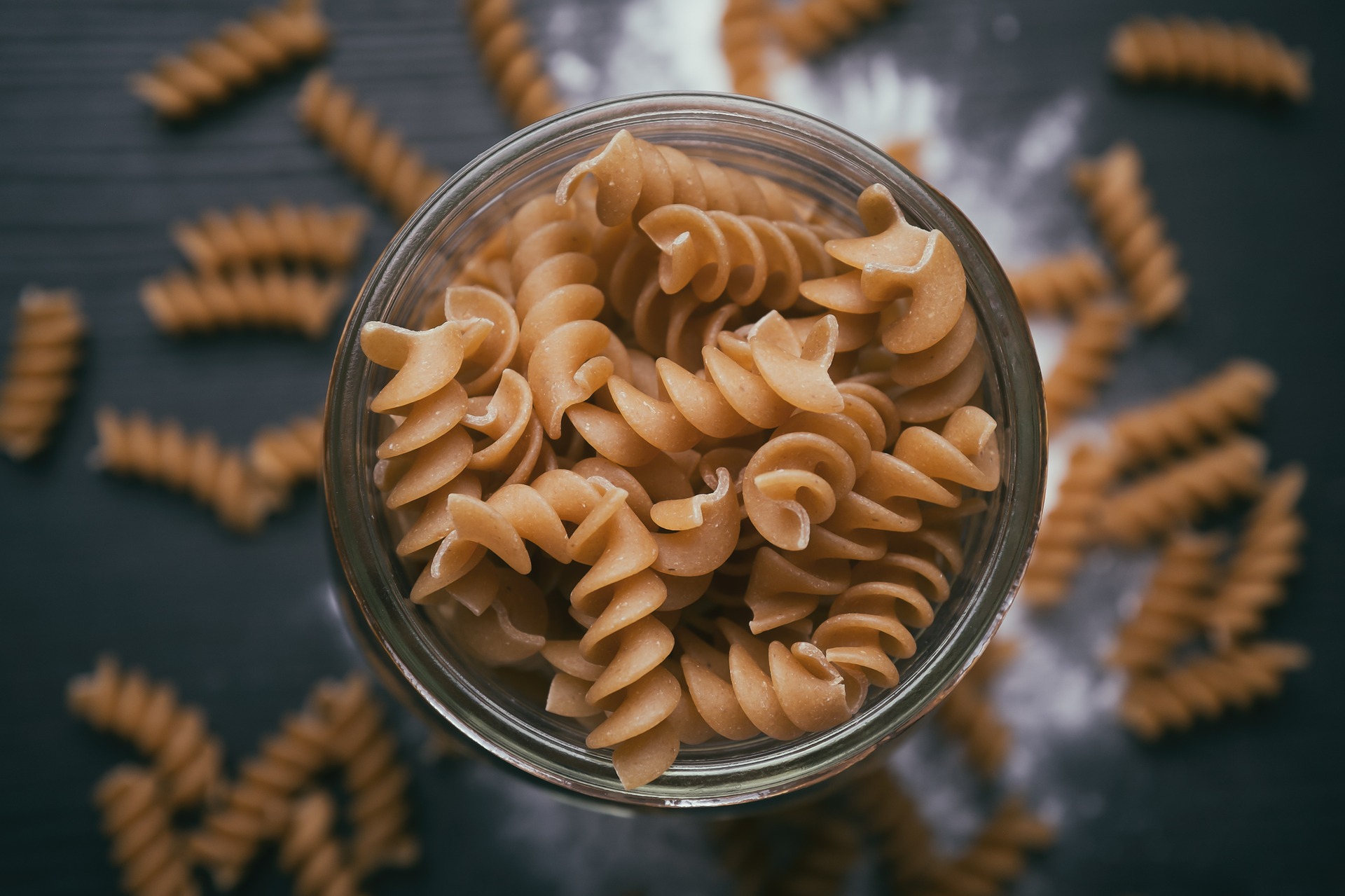
brown pasta spirals

Carbs: Are They Really So Bad?

With all the bad press carbs have received over the past decade or two, it’s time to set the record straight and reinstate the good reputation carbohydrates have enjoyed and deserved for centuries.

I think some of the confusion around carbs may have stemmed from the different terms we’ve been using – simple vs complex, low glycemic vs high glycemic, fast vs slow, refined vs complex and bad vs good.

When did carbs become the enemy? Around the same time potatoes, peas and carrots did I dare say? This was once the majority of our calories came from white flour.


At present low-carb diets are all the rage but they are nothing new. In fact, various health practitioners have been proponents of this way of eating since the 1800s. In a time when diseases such as diabetes, multiple sclerosis, adrenal fatigue, cancer and heart disease are on the rise, people are searching for answers—and every food seems to have its day. First, we are told to cut down on our fat, then our protein, then to increase them, and now it’s carbs in the firing line.

It’s no wonder our digestive tracts have had a ‘gut-full’. Refined wheat and its products should be eaten only in moderation, if at all.

As there are so many other grains available to us, it’s interesting that processed and refined wheat – closely followed by white rice in the West – have become the principle grain consumed.

Complex carbs such as kamut, millet, spelt, quinoa, amaranth, barley and rye, legumes, nuts and seeds, and fruits and vegetables are highly nutritious and are often higher in essential minerals, vitamins, complex carbohydrates and protein than animal products.

Simple Vs Complex Carbs

Foods with high carbohydrate content are defined as simple or complex based on their chemical structure. A “simple” carbohydrate with a high GI breaks down quickly during digestion and therefore releases glucose into the bloodstream rapidly. This is what happens when you eat white sugar, white flour and their products – cakes, muffins, bread, pastries, pizza, lollies, cakes, muffins, soft drinks etc.

The more “complex” that structure is, the slower it takes to digest and absorb. Complex carbs are things like legumes, whole grains, nuts and seeds, and fruits and vegetables.

The faster the carbs digest and absorb, the more it spikes your blood insulin levels. This is why diets high in refined carbs have been shown to increase our risk of diabetes and heart disease, mental health issues and obesity – while diets high in complex carbs help do the opposite.

Refined carbs also tend to be highly processed foods that lack any nutritional value, while complex carbs are typically unprocessed, high in fiber, vitamins and minerals.

As refined carbs have been processed to remove the outer fibre of the grain, leaving only the germ, which is primarily sugar – you can eat lots of these before you start to feel full, and the hit of sugar will give you an instant burst of energy leaving you feeling a bit ‘high’ before ‘crashing’. That ‘crash’ signals constant hunger and cravings.

To add to the confusion it turns out that some foods that technically fit the “complex carb” label can actually end up causing a rapid spike in blood sugar levels also.

Glycemic Index

This is why the Glycemic Index (GI) came into being. The glycemic index classifies carbs based on how quickly and how high they raise blood sugar levels when compared to pure glucose (sugar), although white bread is now used as the reference food in its place. A GI of 70 or more is high, a GI of 56 to 69 inclusive is medium, and a GI of 55 or less is low.

This of course is useful for many reasons, the most important being prevention and treatment of a variety of health issues associated with frequent and sustained spikes in blood sugar levels.

A carbohydrate with a low GI breaks down relatively slowly therefore causing a more gradual release of glucose into the bloodstream. This is preferable of course.

Glycemic Load

The problem however, is that the glycemic index does not take into account serving size. Meaning, 25 grams of a high glycemic food doesn’t create the same blood sugar spike that 50 grams of that same food would. So, along came the Glycemic Load to account for the amount of carbs present in each serving as opposed to only considering the food on its own, irrespective of how much of it you ate.

The carbohydrate in watermelon, for example, has a high GI. But there isn’t a lot of it, so watermelon’s glycemic load is relatively low. A GL of 20 or more is high, a GL of 11 to 19 inclusive is medium, and a GL of 10 or less is low.

Which takes me onto another issue. The Glycemic Index only measures foods when eaten in isolation, as when you’ve decided it’s ok to eat that whole bag of crackers on their own, but not ok to have them with anything as that would just increase the guilt, therefore not ok.

Of course eating refined carb foods in isolation is rare, and what you have with them dramatically changes things. For example, there’s likely to be hummus on those crackers, or Napoli sauce with your pasta.

Protein, fat and various other nutrients being eaten at the same time will greatly affect the true GI of a refined carb’ food, and the overall digestion/absorption of the meal.

Still the Glycemic Index has its place, and that is to help us understand that as a general rule, low to moderate glycemic foods should be your carbohydrate of choice. High glycemic foods should be limited – these are sometimes foods.

There are plenty of websites that will help you find the Glycemic Index or Glycemic Load Of A Food.


Daily Requirements

A moderate carbohydrate intake is around 200-300g per day, depending on your calorie intake. It is appropriate for people who aren’t trying to loose weight, are active and simply wanting to maintain their health and wellbeing.

Are Carbohydrates Essential

Since the agricultural revolution, carbs have usually accounted for the majority of our calories. Put simply, protein and fat – specifically the omega-3 and omega-6 fatty acids- are essential to our body. Carbs on the other hand are not. Yes, our brain and other tissues do require a small amount, but the human body produces that small amount on its own. The same cannot be said for protein or the essential fatty acids, all of which must be supplied through one’s diet.

Do Carbs Make Me Fat?

Insulin, the fat-storing hormone, is stimulated in excess by the pancreas when too many refined carbohydrates and sugars are eaten. If this hormone remains high, due to excessive amounts of carbohydrates in the diet, then ketosis/lipolysis cannot occur. This state is important for weight loss, as it breaks down fat, instead of glucose, to be used as energy by the body and the brain. But do they make us fat…..

While the “low carb” craze has been no doubt confusing and created all sorts of obsessions, the one thing that usually makes us gain weight in our diet is eating too much (of anything) whilst having a sedentary lifestyle, and too much stress. It’s not the carbs themselves that cause the gain, it’s the excess calories those carbs provided. There are exceptions of course, like in cases of digestive problems such as SIBO, Fructose Malabsorption, certain intolerances and dysbiosis.

There are many studies showing that low-carb diets are more effective and healthier than the low-fat diet that is still being recommended.

What about Phytic Acid

Along with saponins and lectins, phytic acid is considered an anti-nutrient, which means those who follow paleo nutrition have probably eliminated it from their diet. Phytic acid or phytate is something found in many types of plant foods, such as grains, legumes (including peanuts and soybeans), nuts, and seeds. It’s the storage form of phosphorus, an important mineral used in the production of energy as well as the formation of cell membranes. These foods are gaining a bad reputation due to the phytic acid’s ability to bind to essential minerals such as iron, zinc, calcium, and magnesium in the digestive tract and inhibit their absorption by the body.

However, the severity of phytic acid’s effect on overall health tends to be a bit exaggerated. Despite being somewhat demonized for its ability to reduce mineral absorption, phytic acid has some redeeming qualities.

Phytic acid can act as an antioxidant and although research in humans is a bit scarce, there have been several studies demonstrating the potential positive effects of phytic acid in fighting cancerous tumor cells. This may partially explain why high-fiber diets tend to be associated with reducing colon cancer risk. Phytic acid has also shown some capacity to reduce cholesterol and triglycerides, and positively impact the glycemic response of certain foods. In some cases, phytic acid seems to have an ability to slow down a potential blood sugar spike following the ingestion of certain high-carbohydrate foods. Again, this may explain why high-fiber foods have been associated with improved blood sugar control.

However, the potential benefits of phytic acid occur in high dietary intake, yet a high intake has also been associated with reduced mineral absorption. So, in order for us to get the best out of phytic acid, we should understand ways we can minimize the negative effects while maximizing the benefits.

One way is by incorporating more vitamin C (ascorbic acid) into our diet. Another is using preparation methods such as soaking, germinating, or fermenting as they can be very effective in reducing the amount of phytic acid present in foods. Some methods are better for different foods. In the case of nuts and legumes, soaking and germinating are most successful, but for grains and cereals, all three are effective. And lastly, try eating foods that contain phytic acid away from foods that are richer in minerals. From a practical standpoint, one could accomplish this by eating meals of protein and fat separate from meals of carbohydrate and fat.

Conclusion

Complex carbohydrates are essential for a healthy body and mind. They are loaded with B vitamins, which nourish the nervous system amongst their many virtues. They provide sustaining long-term energy, proteins for tissue building and fats for lubrication and tissue support. This type of diet is also high in fibre, which allows efficient elimination. Unless it’s processed junk food, cutting an entire food group out of your diet is rarely a good idea.

The body is much more unique and complex than we can truly understand, and the food we eat tends to have many different functions once it’s inside of us. Every person – though sharing similar nutritional needs – is going to respond differently. Keep an open mind and always – listen to your own body. It will tell you what it likes and doesn’t’.

Janella Purcell 2015.

Table of Glycemic index and load values

The average GI of 62 common foods derived from multiple studies by different laboratories
High-carbohydrate foods GI
White wheat bread* 75±2
Whole wheat/whole meal bread 74±2
Specialty grain bread 53±2
Unleavened wheat bread* 70±5
Wheat roti 62±3
 Chapatti  52±4
 Corn tortilla  46±4
 White rice, boiled*  73±4
 Brown rice, boiled  68±4
 Barley  28±2
 Sweet corn  52±5
 Spaghetti, white  49±2
 Spaghetti, whole meal  48±5
 Rice noodles†  53±7
 Udon noodles  55±7
 Couscous†  65±4
 Breakfast Cereals
 Cornflakes  81±6
 Wheat flake biscuits  69±2
 Porridge, rolled oats  55±2
 Instant oat porridge  79±3
 Rice porridge/congee  78±9
 Millet porridge  67±5
 Muesli  57±2
 Fruit and fruit products
 Apple, raw†  36±2
 Orange, raw†  43±3
 Banana, raw†  51±3
 Pineapple, raw  59±8
 Mango, raw†  51±5
 Watermelon, raw  76±4
 Dates, raw  42±4
 Peaches, canned†  43±5
 Strawberry jam/jelly  49±3
 Apple juice  41±2
 Orange juice  50±2
 Vegetables
 Potato, boiled  78±4
 Potato, instant mashed  87±3
 Potato, french fries  63±5
 Carrots, boiled  39±4
 Sweet potato, boiled  63±6
 Pumpkin, boiled  64±7
 Plantain/green banana  55±6
 Taro, boiled  53±2
 Vegetable soup  48±5
 Dairy products and alternatives
 Milk, full fat  39±3
 Milk, skim  37±4
 Ice cream  51±3
 Yogurt, fruit  41±2
 Soy milk  34±4
 Rice milk  86±7
 Legumes
 Chickpeas  28±9
 Kidney beans  24±4
 Lentils  32±5
 Soya beans  16±1
 Snack products
 Chocolate  40±3
 Popcorn  65±5
 Potato crisps  56±3
 Soft drink  59±3
 Rice crackers/crisps  87±2
 Sugars
 Fructose  15±4
 Sucrose  65±4
 Glucose  103±3
Honey 61±3
    Data are means. *Low-GI varities were also identified. †Average of all available data.

[/private]

Related

There are so many reasons I love being 52, but age spots and red patchy skin aren’t up there on the list of my favourite things. So if they decide to start vanishing, after giving my skin a daily treat of herbal medicine that’s been valued for it’s healing properties for centuries, and grown lovingly somewhere akin to paradise, and at the same time helping to relax and unwind my nervous system, then why wouldn’t I? 
Most of us can grow some herbs at home, and amongst the easiest are Rosemary, Comfrey and Calendula.
If you’re not quite there with the whole garden goddess thing, then have a look at The Herb Farm Skincare range from New Zealand, now available to us in Australia. 
Since 1993 they’ve been taking the hard work out of enjoying these ancient medicinal herbs at home. Not only are TheHerb Farm Skincare delicious products available internationally, but they’re formulated in a way that suits the modern woman’s skin – her spirit or #Shen as it’s referred to in Traditional Chinese Medicine. And goodness knows our mostly dry Aussie skin could use a drink, and some nurturing.
The Herb Farm Skincare uses these healing herbs in their skincare for the same reason our foremothers did – for radiant and dewy skin thats reflects our overall wellbeing. 
To enjoy a 15% Janella discount on your The Herb Farm Skincare order, use this code JANELLA15 and watch your skin take a deep sigh of relief, and a big drink.
Why have we used these particular herbs in skincare for centuries…
Rosemary is known to increase circulation thanks to its slightly warming nature that contains a chemical known as carnosol, and is a major contributor to rosemary’s incredible antioxidant action. Carnosol has additionally been found to be anti-inflammatory. Rosemary is used effectively to lighten dark spots and blemishes on the skin resulting in an enviable skin tone and a glowing complexion. And…these properties of rosemary help protect our skin and prevent signs of premature ageing by reducing both swelling and puffiness of the skin. 
Comfrey is a cool and moist herb usually found growing by lakes or in swampy areas. It has the highest mucilage (gooey) content of any herb, so it is a very moistening, incredibly soothing, calming, and healing herb. Ideal for healing acne, chapped, damaged, and irritated skin. It has long been valued on an energetic level as it ‘heals wounds so deep that it has a profound effect on the soul’s journey’. Used for its anti-inflammatory and regenerative purposes, it activates the healing process after environmental damage. Comfrey is ideal for dry skin, (and the compost bin too). 
Calendula is a cooling herb, ruled by the sun, with a great affinity to the solar plexus – helping us to shine, feel our own innate power, and and bring forth our confidence into the world. It usually blooms at the new moon each month in summer, and has traditionally been used in ritual to ‘inspire optimism and vitality and to attract success in every area of life’. Its protective energy draws light and love into our energy field, protecting us from negative influences. Calendula contains anti-fungal and anti-bacterial properties that treat most common skin conditions. It’s also good for reducing bruises, cuts, scars, and sores.
fullsizerender
Calendula in my garden


To enjoy a 15% Janella discount on your @TheHerbFarmskincare order, use this code JANELLA15 and watch your skin take a deep sigh of relief. 

Antioxidants are a generic term that describes the mopping up of free radicals (the bad guys) in your body – by increasing oxygenation.

Modern food far from existing in its original state, the stress of living in today’s world, strenuous exercise, sun exposure, pollution, chemicals used to grow our food and make our cosmetics, computers, TV’s and carpets, smoking, and bacterial infections can all cause a rise in free radicals to dangerous levels. This results in damage at a cellular level resulting in premature ageing like wrinkles, bad skin, black rings under the eyes and sometimes, serious illnesses such as cancer.

Many antioxidants are vitamins like C and E, but Carotenoids are the most powerful anti oxidants known. Along with chlorophyll, carotenoids are what give plants their colour. The most powerful carotenoid is Astaxanthin (blue-green algae), and the next is Beta Carotene, of which Spirulina is the richest known natural source. There are other foods high in different antioxidants. This is where you’ll find lots of them –

Astaxanthin

This little known carotenoid is now believed to be the most powerful antioxidant by far. There are only two natural sources of natural astaxanthin—the micro-algae that produce it, and the sea creatures that consume the algae (such as salmon, shellfish, and krill). Astaxanthin is 65 times more powerful than vitamin C, 54 times more powerful than beta-carotene, 550 times more powerful than Vitamin E. No adverse reactions at all have been found for people taking Astaxanthin. It’s perfectly safe. You’ll find astaxanthin in supplement form on line.

astaxanthin header

You may have heard of astaxanthin before. The synthetic version made in a laboratory is commonly used worldwide to give farmed fish, especially salmon, its pinkish red colour. You really do want to avoid man-made astaxanthin as it’s made from petrochemicals, which makes it a toxic hormone disruptor.

Cacao

According to a study in the “Journal of Agricultural and Food Chemistry” published in 2003, researchers compared the antioxidant capacity of black tea, green tea, red wine and cocoa, concluding that cocoa has the highest antioxidant activity among the four products and the greatest potential for health benefits.

Garlic and its juice

Garlic is one of the best medicines in the world. It has natural ‘germanium’ and is anti-fungal and antibacterial (just to name a few of its actions). If you’re cooking your garlic, crush it up and let it sit for ten minutes before adding it to your recipe. It has to sit so that the enzymes can create the healing phyto-chemicals we need.

Dried Fruit

Goji berries have an enormous amount of antioxidants, yet dried Pomegranate seeds, (also expensive) have almost double the amount. And then comes dried Indian Gooseberries that have around 10 times more than Goji berries.

Green Super-Foods

Spirulina, chlorella and barley grass are chock full of minerals and enzymes. The enzymes are both anti-mycotoxin (mycotoxins are released by yeast/fungal infections) and antioxidants.

Matcha

This premium green tea powder from Japan is used for drinking as tea, or to use as a vibrant, green ingredient in recipes. Other green teas are grown throughout the world, but Matcha is unique to Japan. One cup of Matcha contains as much as 10 times the antioxidants of one cups of brewed green tea.

Quercetin

An antioxidant belonging to a class of water-soluble plant substances called flavonoids. Some research has shown quercetin-rich foods, such as apples, berries, red grapes, red onions, capers and black tea, are ‘natural antihistamines’ as they prevent histamine release. Quercetin is also available in supplement form.

Selenium

Sources include wheat germ, garlic, Brazil nuts, eggs and brown rice. Brazil nuts are perhaps the best source of this important mineral, and eating just 3-4 Brazil nuts per day may provide adequate intake for most people to maintain levels. Although, a supplement may be necessary if levels are low.

Vitamin A

Is found in dark green leafy veggies such as kale, rocket, baby spinach and all your Asian greens and any fruit or veg’ that is green, yellow, red or green in colour – so pumpkin, carrots, capsicum and broccoli, and spirulina has an enormous amount.

Vitamin C

This vitamin has long been known to battle the effects of ageing and disease. Like Vitamin E, Vitamin C is an effective antioxidant so it will help to reduce free radicals. Most fruits especially guava and paw paw are good sources of Vitamin C as are vegetables like kale, broccoli, cauliflower, tomato, Brussels’ sprouts and cucumber. Goji berries, Gubinge and Camu Camu have more Vitamin C per weight than most other foods on earth.

Vitamin D

Different from other vitamins because our bodies can make most of what we need with exposure to sunlight, unlike having to get it from our diet. In fact most foods aren’t great sources of vitamin D, and there are only a small amount to choose from. The best sources are cod liver oil, sardines, wild Alaskan salmon, mackerel and mushrooms. Sunlight is the best way to get your Vitamin D as it promotes this vitamin’s synthesis from cholesterol in the skin.10-15 minutes a day is enough, and allowing the sun to shine on as much of you body as you can is the way to go.

Vitamin E

Found in olives, nuts and seeds oils, wheat germ and leafy greens.

Zinc

Good sources are oysters, organic red meat, wheat germ, miso, pumpkin seeds, alfalfa, sardines, legumes, mushrooms, pecans, organic soybeans, sunflower seeds and whole grains.

Herbs + Spices

Extremely high in antioxidants, in fact at least 10 times higher than the foods above per weight, and the herbs and spices below are in a class of their own when it comes to antioxidants. Add these foods to your meals but you can also use them as essential oils and some of them as herbal tinctures. Look for 100 percent pure (therapeutic grade) oils, which are highest in antioxidants, and organic or at least wild-crafted herbal medicine. From the highest are cloves, cinnamon, rosemary, oregano, turmeric, cumin, parsley (dried), basil, ginger and thyme  

See also my eBook – Herbs and Spices

Many of us are now aware that some things are better for our microbiota than others, and to varying degrees.  Antibiotics and laxatives, as well as medications against fever and pain, contraceptive hormones (The Pill), or those to alleviate menopausal symptoms all negatively affect gut flora composition. Antibiotics when prescribed responsibly are obviously life saving. They have saved countless lives and wiped out many diseases. But, there’s a price to pay for everything, and in this case the over- use of antibiotics has gotten us into some serious strife.

These days however, it’s pretty hard to avoid them. Even if you’re a raw food vegan who’s never sick, you’re still likely to be exposed to antibiotics. 80% of the antibiotics manufactured world wide are for animals for food, so we’re constantly being exposed to antibiotics, every time we eat or drink, as the manure your veggies are grown with comes from animals that have been fed antibiotics. Antibiotics are in our food and in our water.

Studies are showing that small amounts of antibiotics given regularly, is a whole lot worse than one big hit when you’re sick and you actually need them. Antibiotics are not meant for prevention, but it is a billion dollar industry, so making changes to the system is, well, tricky.

It’s encouraging to see that more and more conscious farmers are using herbs and essential oils like oregano oil to replace expensive and damaging antibiotics that are so commonly and mindlessly used in commercial farming. The over-use of antibiotics both for us and in our food is destroying our gut flora, reduces immunity, increases anxiety and depression and keeps us susceptible to everything. Not to mention the damage they’re doing to our animals and our planet.

So far, western medicine’s answer has been to prescribe yet more drugs, so that now we have arrived in a scary place called ‘antibiotic resistant’. This is now at crisis levels, meaning some infections are becoming untreatable. What we’ve basically done is coat our world in a bubble of antibiotics by our overuse and inappropriate use of them. And antibiotic use is in Australia, which directly affects the development of antibiotic resistance.

Methicillin-resistant Staphylococcus aureus (MRSA), is a type of staph’ that has developed resistance to a family of antibiotics similar to penicillin. When we take an antibiotic, the drug kills many bacteria, but a few survive. These surviving bacteria are now resistant to that antibiotic, and then they multiply. What this means is, every time a patient takes an antibiotic, he or she is creating more drug-resistant bacteria. The growing number of antibiotic-resistant bacteria poses a very serious and immediate threat to our health as a species. In 1974, MRSA infections accounted for 2% of the total number of staph infections; in 1995 it was 22%; in 2004 it was 63%. These bacteria were once mainly found in hospitals, doctor’s surgeries and nursing homes, but recently they’ve been showing up in gyms, schools, sports clubs, and other places where people are in close contact.

Two-thirds of the children today have already taken a course of antibiotics by the time they are 12 months old. Antibiotics have been shown to affect the childhood microbiome causing changes associated with allergies, obesity and autism – three of the biggest childhood issues in developed countries. This means long-term health implications for these children. While this link is still being researched, the evidence is mounting.

Bacterial infections need antibiotics, as the infection will only get worse, if it’s not treated. Examples of serious infections that arguably need antibiotics under one year of age are meningitis, whooping cough, pneumonia, infection in the blood and urinary infections. Antibiotics are ineffective for common viral infections however, so treating these with antibiotics results in none of the benefits and all of the disadvantages. These include most respiratory infections – for example of the ear, throat and chest, yet we are still constantly being prescribed antibiotics for these conditions. There are many effective alternatives to synthetic antibiotics. Herbal medicine and essential oils have both undergone much research and the results are exciting.

A recent British report estimated that antibiotic and microbial resistance could kill an extra 10 million people a year and cost up to $100 trillion USD by 2050 if it is not brought under control, and soon.

Btw, scientists often modify seeds using antibiotic-resistant genes in the genetic engineering process. Some people wonder if there’s a link between these GM Frankenfoods and the ever increasing rates of antibiotic resistant bacteria.

See GMO Foods in my eBooks


Castor Oil – coming from the seeds (or beans) of the Ricinus communis plant,  is an oil rich in antioxidants and Ricinoleic Acid (RA) and also contains small amounts of linoleic, oleic and stearic acid. The healthiest and safest version of castor oil comes from de-hulling the bean, then cold-pressing the seeds to produce the rich and viscous oil.

blossom 432522 1280

Castor oil packs have been used by healers to help reduce a variety of health conditions for many generations. Placed over your abdomen or liver, these packs are used to improve liver detoxification, breakdown kidney stones, reduce period pain, reduce symptoms of autoimmunity, support uterine and ovarian health, improve lymphatic circulation and reduce inflammation.

To DIY: Mix two to four drops of an essential oil – depending on what you’re treating – with enough warm castor oil to lightly soak a piece of cloth, (either a lightweight tea towel, or a piece of linen, or even a face washer). Castor oil has a rather strong smell, so be ready.

Btw, you can buy packs that include a piece of flannel cloth and a pack, with straps – so you’re all sorted. Just Google ‘castor oil packs’. (See images.)

Wring out the cloth to remove any excess oil, then place it over your abdomen or liver for at least 30 minutes, with a heat source like a wheat pack or hot water bottle over the top of it.  This helps to stimulate lymph and liver function. Lie flat in bed, and perhaps cover your eyes with an eye pillow and use this time of quiet relaxation to go within.

Placing the pack on the right side of the abdomen or the whole abdomen will help support the liver and digestive systems, as well as reproductive and colon health. These packs are used also to relieve pain. Aim to do it 3 times a week, and relax.

Castor oil packs can be a bit messy, so I wrap mine in a plastic-free cover like a bees wax wrap, or an apron. Be aware of any skin sensitivities, so avoid applying the oils directly to your skin.


castor oil

Side note – I was once at a sanitarium (health retreat/hospital) in Austria, and part of the program was a daily liver pack, such as this one above. Instead of the oil-soaked cloth though, they used flaked pieces of dried burdock root (a great liver herb) that had been warmed and stuffed in a plastic zip lock bag. It was delivered to my room like this, so all I had to do was lay down on my bed, put a light towel over my abdomen and then the compress over the top. Gawd it was nice. And I really did feel the benefits. Gut and reproductive pain, as well as pent up anger and resentment – all but disappeared using these packs daily for the 5 days I was there.

Either way you decide to do it – it’s going to help.


castor oil pack holder by heritage