
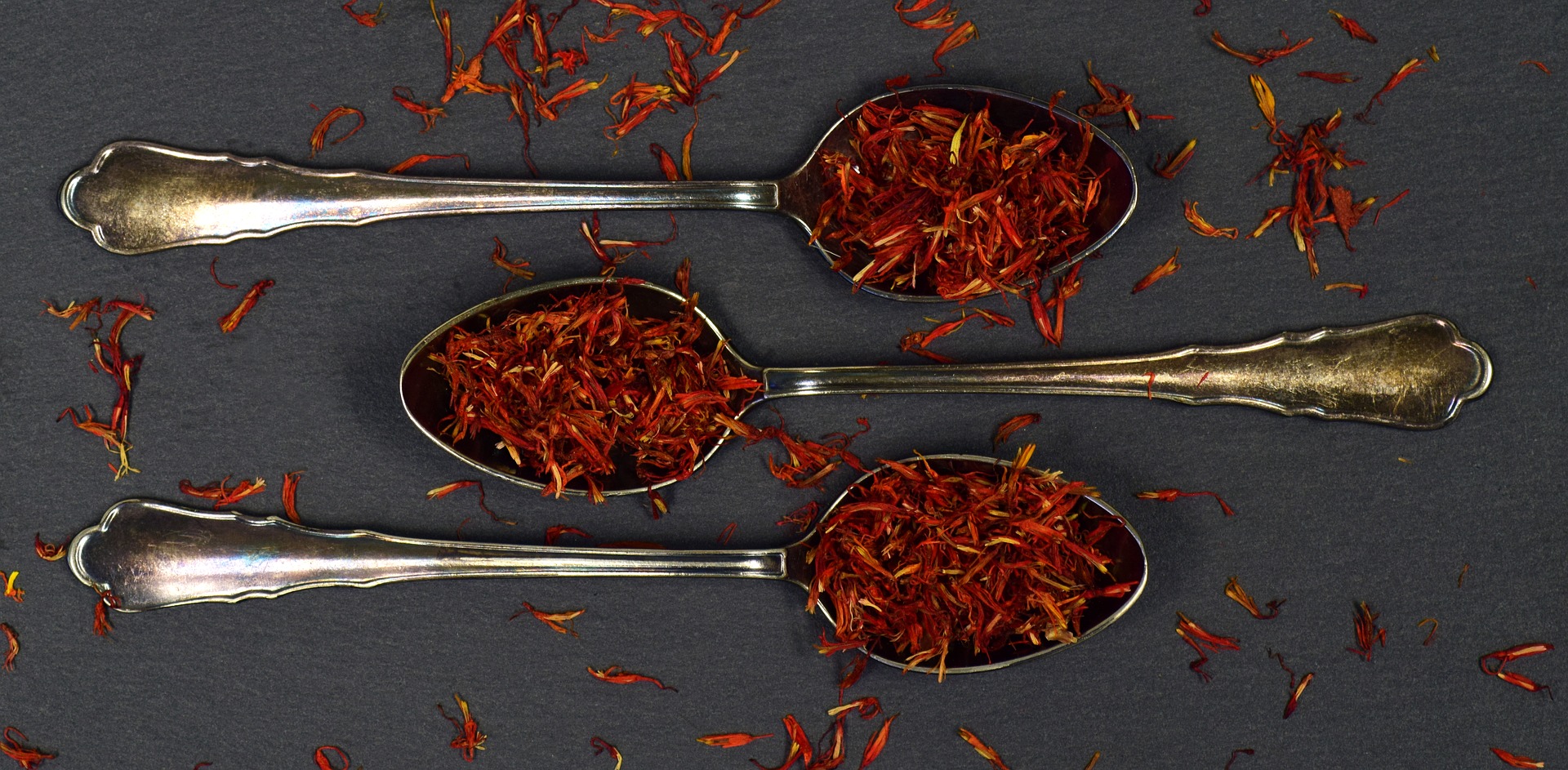
I am a huge fan of herbs and spices. It was one of the main reasons I decided to study Naturopathy and Herbalism, naturally. As a young girl I used to experiment with growing different herbs at home in little plastic tubs. I would get cuttings from my relatives or the nursery. With Dad being a ‘green thumb’, he showed me how best to look after them then I did the rest. Drying and storing as tea, freezing in owe cube trays, using fresh with hot water for different medicinal uses, or using as a poultice on wounds. I loved it. I feel very connected with the earth and always have, and l have a special affinity with herbs and spices.
When I wasn’t at work at my part time jobs over the years, and mostly in hospitality, I was at home either in the kitchen or the garden. They went hand in hand for me. What I grew I used in the kitchen. Many times I had never herd of a plant before reading of it in books like ‘Health From God’s Garden ‘ by Maria Treben, or ‘Back to Eden’ Jethro Kloss. I was so inspired by what these plants were capable of, and how on earth did we first realised what each of them was good for?
My experimentation continues and I never fail to be amazed by what the ‘doctrine of signatures’ tells us about each plant simply by it’s appearance.
1. Tulsi (Holy Basil) Ocimum tenuiflorum
The Indian herbal plant Tulsi has a lot of significance in the Hindu religion. The term “Tulsi” is used in the context of one who is absolutely incomparable. Tulsi has a lot of reverence for the Hindus. In fact, people worship Tulsi everyday in the morning as well as evening time. Most homes will have a plant and it’s considered sacred, not least because of its many medicinal qualities.

I am now using this exceptional herb in my clinic – as it has only very recently become available as a tincture – with wonderful results. I wonder why Tulsi isn’t more popular in the West as its medicinal properties are incredible, and varied. Tulsi is rejuvenating, immune boosting, helps restore our bodies negative reaction to stress, removes fluoride from water, has a wonderful effect on the adrenal glands and cardiovascular and nervous system and is anti fungal, so is a great herb to treat a candida overgrowth.
Traditionally, many an Indian Grandma relied on a tea made from the leaves of Holy Basil to relieve indigestion and headaches. Now the firsts test are showing it might also inhibit breast cancer. A tea made of Holy Basil shrunk tumours by reducing their blood supply, and stopping their spread. To aid in breast cancer treatment, drink the tea daily. (It must be ‘Holy Basil’, not other varieties of basil.) Pour 2 cups boiling water over 10 to 15 fresh holy basil leaves and steep 5 minutes Remove the leaves before consuming. Or get it as a liquid tincture.
If you grow it yourself at home, add the fresh leaves to your salads, stir fry’s, curry and smoothies. You probably won’t find Tulsi seeds or plants at your local nursery so ask them to order it for you, or look on-line. You’ll find it in health food stores as a supplement, tea or liquid tincture.
2. Saffron Crocus sativus
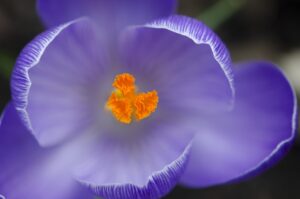
Saffron is a spice derived from the flower of Crocus sativus, commonly known as the “saffron crocus”. Saffron crocus grows to 20–30 cm and bears up to four blossoms, each with three crimson stigmas (threads), and it takes over 150,000 blossoms to produce a kilo of saffron spice. The amount of labor involved in harvesting, which saffron insists on being done by hand – is why it is considered one of the world’s most expensive spices. The plants beauty is striking not only for its colour but also its shape and style. Saffrons use as a medicine has been documented since antiquity.
The important antioxidants saffron contains can help protect our bodies from oxidant-induced stress, cancers, infections and they also act as immune modulators. It’s been known to have many therapeutic applications in traditional medicines across the world as it acts as an antiseptic, antidepressant, anti-oxidant, digestive aid and anti-convulsant.
Saffron has traditionally been used for respiratory complaints such as coughs, emphysema and asthma and also for loosening phlegm. Saffron is effective when treating insomnia, gas, depression, Alzheimer’s disease, fright, shock, pain, heartburn, and dry skin. It’s also a good liver tonic, is used to treat diabetes, to help reduce the withdrawal from drugs and alcohol, and a good cardio tonic.
Women have used saffron for centuries to ease menstrual cramps and PMS, while men use it to treat premature ejaculation and infertility. For this reason saffron has the reputation of being an aphrodisiac. To use at home, make the dried stigmas into a tea and drink daily or you can get as a liquid tonic from your health food store. Add the threads to your cooking to impart a sexy and unique flavor.
3. Turmeric Curcuma longa
Turmeric is part of the ginger family, Zingiberaceae. It is native in southwest India, and needs temperatures between 20 and 30°C and a considerable amount of annual rainfall to thrive. Turmeric has a peppery, warm and bitter flavor and a mild fragrance slightly reminiscent of orange and ginger, and while it is best known as one of the ingredients used to make curry, it’s looking like this golden spice may be a whole lot more than a pretty colour. For starters, it may prevent colon cancer and Alzheimer’s disease. It’s a good general immune system booster due to its high antioxidant capacity – mopping up nasty free radicals. In India where turmeric is widely used, the prevalence of four common U.S. cancers – colon, breast, prostate and lung – is 10 times lower. Thanks to it’s strong anti-inflammatory properties and its positive effect on the liver, turmeric can help calm digestive trouble and get your stomach feeling good again. Mix a teaspoon of dried, or a tablespoon of freshly grated turmeric into about 30 mls or so of warm water. Add a little sweetener like raw honey or maple syrup if you like. Grow it yourself in the more tropical climates, or buy the rhizome fresh from your farmers market or green grocer, or take as a capsule. Turmeric is used to make up Jamu Asih Kinasih, the Indonesian love potion that is said to bring a whole new meaning to the words love making.

4. Cumin seeds Cuminum cyminum
We’re now realising that these little seeds often seen in Middle Eastern, Indian and Mexican recipes are more than just tasty. They are a good source of iron, which is essential for energy production and metabolism. Cumin is also a key mineral in keeping our immune system healthy. The benefits to digestion have long been known but only recently being scientifically proven.
Research is now also showing that cumin may stimulate the secretion of pancreatic enzymes compounds necessary for proper digestion and nutrient assimilation.
Cumin seeds may also have anti-carcinogenic properties, especially liver and stomach. This may be due to cumin’s potent free- radical scavenging abilities. It may also increase the livers detoxification enzymes, which in itself means it will have many ways to heals as the more effective our liver is at detoxing, the healthier we will be. Use the organic seeds or powder in your cooking by adding them to your dips, roast veggies and slow cooked meals like curry, soups and casseroles.
5. Cinnamon Cinnamomum cassia
Most people are aware of cinnamon’s role adorning a donut or French toast, but its uses stretch far beyond this. (Powdered cinnamon is often mixed with white sugar, ground walnut shells, galanga rhizome.) Cinnamon is recommended for those with type 2 diabetes as studies have shown that taking cinnamon extract daily successfully reduced blood sugar by about 10% and it also reduces heart related risks. It’s now looking like it may also lower bad cholesterol by 13% and triglycerides by 23%.
To control blood sugar, take 1g capsules of standardized cinnamon extract daily, or 1 to 6 g daily when treating high cholesterol. Apart from this it has a good effect on the stomach and nervous system, and capable of drying up Mother’s milk. The tincture is useful for heavy periods, or indeed absent periods. It has primarily been used in the West to assist and flavour other drugs, and being helpful in diarrhoea, nausea, vomiting, and to relieve flatulence.
6. Rosemary Rosmarinus officinalis
This gorgeous smelling herb likes little attention in the garden. Giving it lots of love is not the answer here. Ignore it and it will thrive. It likes dry, well-drained soil, which is why you see it growing wild on cliffs in the Mediterranean. Its medicinal uses are many and varied. The two main ingredients that give this herb its therapeutic qualities are caffeic acid and rosemarinic acid – both being potent antioxidants and anti-inflammatory agents. These two acids reduce the inflammation associated with asthma, and improve liver function and heart health. It’s also a rich source of Vitamin E, another potent antioxidant that contributes to free radical fighting powers, and again improving heart health.
It helps prevent the brain aging and is now proving an important defense against cancer as research has found that rosemary extract can significantly help to protect DNA against free radical damage. By blocking estrogen, rosemary helps prevent breast cancer. Its other benefits are in reducing age-related skin damage, and acting as a mild diuretic to help reduce swelling. Rosemary is also thought to stimulate our adrenal glands to provide energy while lifting our mood and relieving stress. So as you can see, it’s more than an accompaniment to your baked spuds. Take as a capsule, liquid herb from an herbalist or drink the fresh leaves in a tea.
7. Ginger Zingiber officinale
Ginger is your go-to spice to prevent nausea, no matter the cause, be it pregnancy, motion sickness, food intolerances, anxiety or chemotherapy. A powerful antioxidant, ginger works by blocking the effects of serotonin, a chemical produced by both the brain and stomach when you’re nauseated. It also stops the production of free radicals, another reason we might feel nauseous. It also can decrease your blood pressure if it’s too high, and is useful for preventing cancer and arthritic pain thanks to its anti-inflammatory properties. These same anti-inflammatory powers help powdered ginger kill ovarian cancer cells as well as, or better than, traditional chemotherapy, at least in the test tube. Ginger helps to regulate blood flow, which may lower blood pressure and decrease blot clots during menstruation. Ginger extract has been proven to significantly reduce the pain associated with osteoarthritis of the knee. It’s easy to include fresh ginger in your diet. Simply grate it in with your onions and garlic when you’re making soups, stir-fries, curry or dahl, or put it in your smoothie with turmeric and add it to your tahini dressing and hummus, pretty much anything. For a therapeutic dose take capsules from your health food store or the liquid extract from an herbalist or Naturopath.
8. Sage Salvia officinalis
Sage is one of my favourite herbs, and for so many reasons. It’s anti-hydrotic, which means it’s a very effective treatment when dealing with menopausal hot flushes or excessive sweating. Try drinking the tea or get the liquid extract for more severe flushing. To whiten your teeth, pick a fresh leaf and rub it over your teeth a few times each week. It also helps to regulate your menstrual cycle, is a natural deodorant, sore throat tonic (when gargled), antiseptic and astringent. It’s wonderful to use sage as a healing scalp tonic (make it into a tea first), it calms the nerves, aids in healing burns, reduces nausea and flatulence, improves liver issues, kidney stones, gallstones, mouth and gum lesions and it’s a nice anti-depressant. When mixed with rosemary – it can darken graying hair. Make a tea and rinse though your hair and leave it on, a few times a week. Raw sage has traditionally been used to treat warts, skin cancers and tumors. Yes, a pretty fabulous herb.
Dried sage has played an intricate part in ancient, as well as current ceremonies. Many Native American Indians, because of its effect on purifying energy, hold sage sacred. It heals by bringing the patient back into ‘balance’ by cleansing the body and mind of negative spirits and impurities. When burnt, the smoldering smoke offers various remedies for many physical, emotional, spiritual, or mental imbalances. I use white sage to regularly ‘smudge’ my home and clinics. You’ll find this at some health food stores, or easily on line.


To enjoy a 15% Janella discount on your @TheHerbFarmskincare order, use this code JANELLA15 and watch your skin take a deep sigh of relief.

Antioxidants are a generic term that describes the mopping up of free radicals (the bad guys) in your body – by increasing oxygenation.
Modern food far from existing in its original state, the stress of living in today’s world, strenuous exercise, sun exposure, pollution, chemicals used to grow our food and make our cosmetics, computers, TV’s and carpets, smoking, and bacterial infections can all cause a rise in free radicals to dangerous levels. This results in damage at a cellular level resulting in premature ageing like wrinkles, bad skin, black rings under the eyes and sometimes, serious illnesses such as cancer.
Many antioxidants are vitamins like C and E, but Carotenoids are the most powerful anti oxidants known. Along with chlorophyll, carotenoids are what give plants their colour. The most powerful carotenoid is Astaxanthin (blue-green algae), and the next is Beta Carotene, of which Spirulina is the richest known natural source. There are other foods high in different antioxidants. This is where you’ll find lots of them –
Astaxanthin
This little known carotenoid is now believed to be the most powerful antioxidant by far. There are only two natural sources of natural astaxanthin—the micro-algae that produce it, and the sea creatures that consume the algae (such as salmon, shellfish, and krill). Astaxanthin is 65 times more powerful than vitamin C, 54 times more powerful than beta-carotene, 550 times more powerful than Vitamin E. No adverse reactions at all have been found for people taking Astaxanthin. It’s perfectly safe. You’ll find astaxanthin in supplement form on line.

You may have heard of astaxanthin before. The synthetic version made in a laboratory is commonly used worldwide to give farmed fish, especially salmon, its pinkish red colour. You really do want to avoid man-made astaxanthin as it’s made from petrochemicals, which makes it a toxic hormone disruptor.
Cacao
According to a study in the “Journal of Agricultural and Food Chemistry” published in 2003, researchers compared the antioxidant capacity of black tea, green tea, red wine and cocoa, concluding that cocoa has the highest antioxidant activity among the four products and the greatest potential for health benefits.
Garlic and its juice
Garlic is one of the best medicines in the world. It has natural ‘germanium’ and is anti-fungal and antibacterial (just to name a few of its actions). If you’re cooking your garlic, crush it up and let it sit for ten minutes before adding it to your recipe. It has to sit so that the enzymes can create the healing phyto-chemicals we need.
Dried Fruit
Goji berries have an enormous amount of antioxidants, yet dried Pomegranate seeds, (also expensive) have almost double the amount. And then comes dried Indian Gooseberries that have around 10 times more than Goji berries.
Green Super-Foods
Spirulina, chlorella and barley grass are chock full of minerals and enzymes. The enzymes are both anti-mycotoxin (mycotoxins are released by yeast/fungal infections) and antioxidants.
Matcha
This premium green tea powder from Japan is used for drinking as tea, or to use as a vibrant, green ingredient in recipes. Other green teas are grown throughout the world, but Matcha is unique to Japan. One cup of Matcha contains as much as 10 times the antioxidants of one cups of brewed green tea.
Quercetin
An antioxidant belonging to a class of water-soluble plant substances called flavonoids. Some research has shown quercetin-rich foods, such as apples, berries, red grapes, red onions, capers and black tea, are ‘natural antihistamines’ as they prevent histamine release. Quercetin is also available in supplement form.
Selenium
Sources include wheat germ, garlic, Brazil nuts, eggs and brown rice. Brazil nuts are perhaps the best source of this important mineral, and eating just 3-4 Brazil nuts per day may provide adequate intake for most people to maintain levels. Although, a supplement may be necessary if levels are low.
Vitamin A
Is found in dark green leafy veggies such as kale, rocket, baby spinach and all your Asian greens and any fruit or veg’ that is green, yellow, red or green in colour – so pumpkin, carrots, capsicum and broccoli, and spirulina has an enormous amount.
Vitamin C
This vitamin has long been known to battle the effects of ageing and disease. Like Vitamin E, Vitamin C is an effective antioxidant so it will help to reduce free radicals. Most fruits especially guava and paw paw are good sources of Vitamin C as are vegetables like kale, broccoli, cauliflower, tomato, Brussels’ sprouts and cucumber. Goji berries, Gubinge and Camu Camu have more Vitamin C per weight than most other foods on earth.
Vitamin D
Different from other vitamins because our bodies can make most of what we need with exposure to sunlight, unlike having to get it from our diet. In fact most foods aren’t great sources of vitamin D, and there are only a small amount to choose from. The best sources are cod liver oil, sardines, wild Alaskan salmon, mackerel and mushrooms. Sunlight is the best way to get your Vitamin D as it promotes this vitamin’s synthesis from cholesterol in the skin.10-15 minutes a day is enough, and allowing the sun to shine on as much of you body as you can is the way to go.
Vitamin E
Found in olives, nuts and seeds oils, wheat germ and leafy greens.
Zinc
Good sources are oysters, organic red meat, wheat germ, miso, pumpkin seeds, alfalfa, sardines, legumes, mushrooms, pecans, organic soybeans, sunflower seeds and whole grains.
Herbs + Spices
Extremely high in antioxidants, in fact at least 10 times higher than the foods above per weight, and the herbs and spices below are in a class of their own when it comes to antioxidants. Add these foods to your meals but you can also use them as essential oils and some of them as herbal tinctures. Look for 100 percent pure (therapeutic grade) oils, which are highest in antioxidants, and organic or at least wild-crafted herbal medicine. From the highest are cloves, cinnamon, rosemary, oregano, turmeric, cumin, parsley (dried), basil, ginger and thyme


Castor Oil – coming from the seeds (or beans) of the Ricinus communis plant, is an oil rich in antioxidants and Ricinoleic Acid (RA) and also contains small amounts of linoleic, oleic and stearic acid. The healthiest and safest version of castor oil comes from de-hulling the bean, then cold-pressing the seeds to produce the rich and viscous oil.

Castor oil packs have been used by healers to help reduce a variety of health conditions for many generations. Placed over your abdomen or liver, these packs are used to improve liver detoxification, breakdown kidney stones, reduce period pain, reduce symptoms of autoimmunity, support uterine and ovarian health, improve lymphatic circulation and reduce inflammation.
To DIY: Mix two to four drops of an essential oil – depending on what you’re treating – with enough warm castor oil to lightly soak a piece of cloth, (either a lightweight tea towel, or a piece of linen, or even a face washer). Castor oil has a rather strong smell, so be ready.
Btw, you can buy packs that include a piece of flannel cloth and a pack, with straps – so you’re all sorted. Just Google ‘castor oil packs’. (See images.)
Wring out the cloth to remove any excess oil, then place it over your abdomen or liver for at least 30 minutes, with a heat source like a wheat pack or hot water bottle over the top of it. This helps to stimulate lymph and liver function. Lie flat in bed, and perhaps cover your eyes with an eye pillow and use this time of quiet relaxation to go within.
Placing the pack on the right side of the abdomen or the whole abdomen will help support the liver and digestive systems, as well as reproductive and colon health. These packs are used also to relieve pain. Aim to do it 3 times a week, and relax.
Castor oil packs can be a bit messy, so I wrap mine in a plastic-free cover like a bees wax wrap, or an apron. Be aware of any skin sensitivities, so avoid applying the oils directly to your skin.

Side note – I was once at a sanitarium (health retreat/hospital) in Austria, and part of the program was a daily liver pack, such as this one above. Instead of the oil-soaked cloth though, they used flaked pieces of dried burdock root (a great liver herb) that had been warmed and stuffed in a plastic zip lock bag. It was delivered to my room like this, so all I had to do was lay down on my bed, put a light towel over my abdomen and then the compress over the top. Gawd it was nice. And I really did feel the benefits. Gut and reproductive pain, as well as pent up anger and resentment – all but disappeared using these packs daily for the 5 days I was there.
Either way you decide to do it – it’s going to help.
