
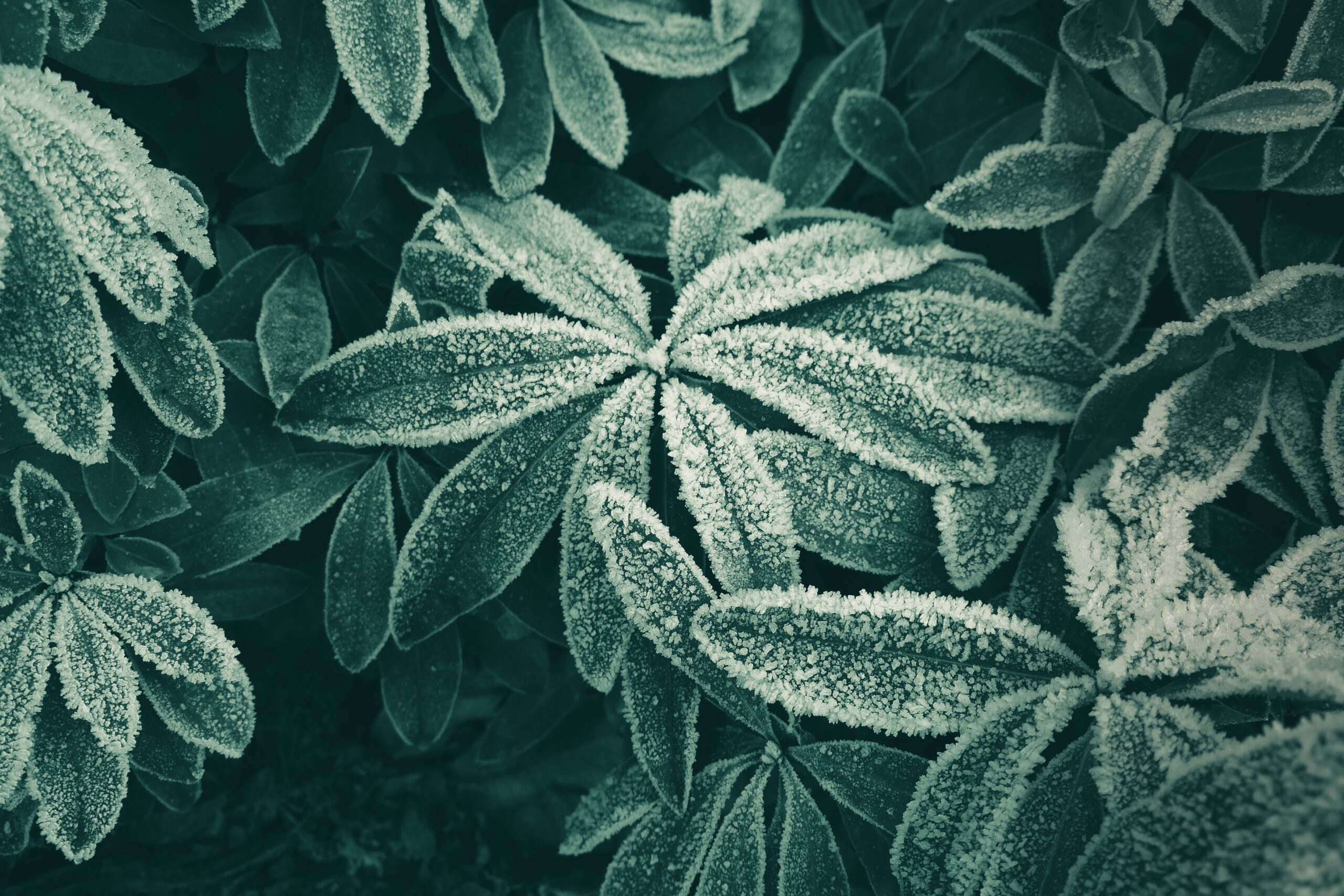
S.L.O.W. – Seasonal, Local, Organic, Whole.
I’m so often asked why I believe it’s important to eat SLOW. Firstly, eating seasonally allows us the medicinal benefit of the foods grown in season. Nature knows the medicine we need and at what time of the year, and it is right here in our garden, someone’s near by or at our Farmers Market. Why import it? It tastes better in season, healthier, cheaper and a whole lot less trouble.
[private]Eating locally and preferably organically automatically means you are reducing the amount of gas emissions by excluding the flight miles. Do we really need to buy watermelon from Mexico in winter, or grapes from Bangladesh? We can grow these in their own season when our body and the earth want them around.

The fruit winter provides us with to enjoy at this time are all your root veggies like sweet potato, Swede’s, turnips, kohlrabi and parsnips. It’s also time to get into your cruciferous veggies like broccoli, cauliflower, cabbage, Brussels spouts and kale (before the white butterfly does). Beetroot, fennel, Jerusalem artichoke, onions, potato and spinach. The fruits giving us their love now are all your citrus, rhubarb, avocado, apple, kiwi fruit and persimmon.
It’s also the time to enjoy salty foods like (Australian) seaweed, miso paste and tamari, and flavoured salts, as a salty flavour is the one associated with winter and the kidneys. By salt I don’t and never mean table salt that has been bleached, has had a chemical anti-caking agent, iodine or fluoride added to it, contains sugar and is altogether the wrong type of salt to be consuming. Instead get into good sea salt, Murray River salt or one by ‘Byron Bay Healthy Salt Company’ that uses divine mineral rich salt from the Himalaya’s.
According to Traditional Chinese Medicine (TCM), winter is a time when our energy goes ‘in and down’. So it’s a time of introspection. A time when our own energy slows down relative to spring. And the cooking methods we are encouraged to use now reflect this slowness. Cook and eat meals that require a longer cooking time. Things like soups, stews, casseroles and dhal. Meals that contain more water, that cook over a lower temperature for a longer time. So a long simmer instead of a throwing a quick salad together is ideal. Bake your veggies instead of a quick stir-fry. Pull your slow cooker I winter and use your oven more. Everything should slow down.
Like the ‘winter years’ of our own life this season is the end of a cycle, encouraging contemplation; deciding what you want to take with you into the beginning of the next cycle that starts with spring. Spring is about a renewal of energy, a time that reminds us of our youth – that’s the season to be out and about, starting new things – not winter.
We are encouraged to eat foods that don’t grow as quickly as say rocket or sprouts do in the spring. If we eat foods with a different energy to the season then all sorts of issues may arise. Our body, mind and spirit don’t know if it should be going ‘up an out’ or ‘down and in’. The growing time is faster in spring so eating food that has grown quickly will speed up our own energy, so now our body is confused. It doesn’t know if it should be going out and socializing and creating and building as you do in spring, or staying home in front of the fire and going to bed earlier. Then the physical symptoms arise that are related to the organ most sensitive in this season.
That’s the kidney and bladder – and the parts of the body the kidney’s rule are the reproductive/sexual organs, the teeth, hair, knees and bones. It’s also very important to keep warm in these cooler months to keep your internal body warm. And to keep your skin moist – use natural body oil like flax, coconut, walnut or almond oil on your skin after you shower. The condition of your skin will reflect the condition of your lungs – where most of your immunity is made and held. So if you’re skin is dry so too will be your lungs. The symptoms likely to present themselves will be a cough, dry scalp, dry stools, dry, flaky skin (eczema, psoriasis or dermatitis), itchy eyes and perhaps even night sweats. Also consider taking a raw oil internally – hemp, chia, walnut or flax and increase the amount of oily foods you’re eating now. Things like tahini, nuts and seeds and avocado. Mushrooms are food that are known to nourish and moisten’ and bodies and any radish will help to reduce phlegm. Winter will also bring about any symptoms directly related to the kidneys, like reproductive issues, urinary tract and bladder infections.
June officially started on June 22 this year – being Winter Solstice and the shortest day of the year, and soon enough spring will be here again. Renewal. I for one am enjoying my fire, plenty of winter veggies in my garden, in my oven and then into my body. And spending quality time alone, to listen to that quiet voice inside me that’ll guide me in the right direction for the next cycle.
One of my favourite quotes by an extraordinary man.
‘Live each season as it passes. Breathe the air, drink the drink, taste the fruit, and resign yourself to the influences of each.’ Henry David Thoreaux.
My ‘Seed Cracker’ recipe. Perfect all year around but especially in Winter.
All Seed Crackers
GF DF VG V SF NF GrF
Makes about 16 crackers
Recipe out of my new book available in November – ‘Janella’s Super Natural Foods’. This is one of my favourite and most-made recipes of late. Most crackers are made with grains and sometimes I don’t feel like or want grains, so these are perfect. Use any amount of seeds you like, just be sure that the chia and/or hemp make up at least 1/3 of the mixture, as these seeds hold the crackers together. If you use a dehydrator, they’ll remain raw, or keep the oven temperature below 50°C and cook for 3 hours. If baking them and you find they’re not crunchy enough then after the first hour flip them over then put them back in for another 30 mins.
1/3 cup chia and flax meal
2/3 cup hemp, sesame, sunflower, pepitas, nigella, poppy
1 cup water
1 tsp sea salt
Method – Preheat the oven to 150°C. Line a 30 x 40 baking tray with greaseproof paper. Place everything in a bowl, then mix well to form a wet dough. Let the dough sit for about 15 minutes to allow the chia/flax to swell up and go gooey.
Using wet hands or a spatula, spread the dough out until about 1/2 cm thick on the prepared tray, then score into sixteen rectangles with a sharp knife. Bake for 60 minutes, turn the off oven and leave to dry out in the oven for an hour. If using a dehydrator, press the dough onto 3 or 4 Teflex sheets, score, then put on 175 for 12 hours. Remove the crackers from the Teflex sheet and cut all the way through to create individual crackers, then place upside down on the sheet and return to the dehydrator for 3 hours.
Allow the crackers to cool slightly before storing in an airtight container for about 1 week. They’ll stay fresher for longer in the fridge.
Variations
– Omit the salt and add 2 tsp ground cinnamon or freshly grated nutmeg and 1/2 cup roughly ground pecans, and a sweetener.
– Add 1/3 cup organic goji berries.
– For sweet crackers, add 1/3 cup pure maple syrup, 1/3 cup cacao nibs and 1 tsp ground cinnamon.
– For a savoury cracker, add 2 tbsp finely chopped fresh or 1 tbsp dried rosemary and 1 tsp garlic and onion powder.
– 2 tsp sweet or smoked paprika.
– Add 1 tbsp seaweed flakes like dulse or nori.
– Add 1 tbsp grated turmeric, fresh
– 1 cup leftover pulp from making coconut milk, or use desiccated coconut.
– 1 tsp chilli powder or cayenne for some heat.
– In a bowl over simmering water melt ½ cup raw cacao powder together with ½ cup cacao butter then cool it. Spread over the top of your cooked crackers and allow to cool. Store in the fridge for a week -10 days.
– Soak then sprout the seeds first before dehydrating. This will activate them
Janella Purcell June 2014.[/private]


To enjoy a 15% Janella discount on your @TheHerbFarmskincare order, use this code JANELLA15 and watch your skin take a deep sigh of relief.

Antioxidants are a generic term that describes the mopping up of free radicals (the bad guys) in your body – by increasing oxygenation.
Modern food far from existing in its original state, the stress of living in today’s world, strenuous exercise, sun exposure, pollution, chemicals used to grow our food and make our cosmetics, computers, TV’s and carpets, smoking, and bacterial infections can all cause a rise in free radicals to dangerous levels. This results in damage at a cellular level resulting in premature ageing like wrinkles, bad skin, black rings under the eyes and sometimes, serious illnesses such as cancer.
Many antioxidants are vitamins like C and E, but Carotenoids are the most powerful anti oxidants known. Along with chlorophyll, carotenoids are what give plants their colour. The most powerful carotenoid is Astaxanthin (blue-green algae), and the next is Beta Carotene, of which Spirulina is the richest known natural source. There are other foods high in different antioxidants. This is where you’ll find lots of them –
Astaxanthin
This little known carotenoid is now believed to be the most powerful antioxidant by far. There are only two natural sources of natural astaxanthin—the micro-algae that produce it, and the sea creatures that consume the algae (such as salmon, shellfish, and krill). Astaxanthin is 65 times more powerful than vitamin C, 54 times more powerful than beta-carotene, 550 times more powerful than Vitamin E. No adverse reactions at all have been found for people taking Astaxanthin. It’s perfectly safe. You’ll find astaxanthin in supplement form on line.

You may have heard of astaxanthin before. The synthetic version made in a laboratory is commonly used worldwide to give farmed fish, especially salmon, its pinkish red colour. You really do want to avoid man-made astaxanthin as it’s made from petrochemicals, which makes it a toxic hormone disruptor.
Cacao
According to a study in the “Journal of Agricultural and Food Chemistry” published in 2003, researchers compared the antioxidant capacity of black tea, green tea, red wine and cocoa, concluding that cocoa has the highest antioxidant activity among the four products and the greatest potential for health benefits.
Garlic and its juice
Garlic is one of the best medicines in the world. It has natural ‘germanium’ and is anti-fungal and antibacterial (just to name a few of its actions). If you’re cooking your garlic, crush it up and let it sit for ten minutes before adding it to your recipe. It has to sit so that the enzymes can create the healing phyto-chemicals we need.
Dried Fruit
Goji berries have an enormous amount of antioxidants, yet dried Pomegranate seeds, (also expensive) have almost double the amount. And then comes dried Indian Gooseberries that have around 10 times more than Goji berries.
Green Super-Foods
Spirulina, chlorella and barley grass are chock full of minerals and enzymes. The enzymes are both anti-mycotoxin (mycotoxins are released by yeast/fungal infections) and antioxidants.
Matcha
This premium green tea powder from Japan is used for drinking as tea, or to use as a vibrant, green ingredient in recipes. Other green teas are grown throughout the world, but Matcha is unique to Japan. One cup of Matcha contains as much as 10 times the antioxidants of one cups of brewed green tea.
Quercetin
An antioxidant belonging to a class of water-soluble plant substances called flavonoids. Some research has shown quercetin-rich foods, such as apples, berries, red grapes, red onions, capers and black tea, are ‘natural antihistamines’ as they prevent histamine release. Quercetin is also available in supplement form.
Selenium
Sources include wheat germ, garlic, Brazil nuts, eggs and brown rice. Brazil nuts are perhaps the best source of this important mineral, and eating just 3-4 Brazil nuts per day may provide adequate intake for most people to maintain levels. Although, a supplement may be necessary if levels are low.
Vitamin A
Is found in dark green leafy veggies such as kale, rocket, baby spinach and all your Asian greens and any fruit or veg’ that is green, yellow, red or green in colour – so pumpkin, carrots, capsicum and broccoli, and spirulina has an enormous amount.
Vitamin C
This vitamin has long been known to battle the effects of ageing and disease. Like Vitamin E, Vitamin C is an effective antioxidant so it will help to reduce free radicals. Most fruits especially guava and paw paw are good sources of Vitamin C as are vegetables like kale, broccoli, cauliflower, tomato, Brussels’ sprouts and cucumber. Goji berries, Gubinge and Camu Camu have more Vitamin C per weight than most other foods on earth.
Vitamin D
Different from other vitamins because our bodies can make most of what we need with exposure to sunlight, unlike having to get it from our diet. In fact most foods aren’t great sources of vitamin D, and there are only a small amount to choose from. The best sources are cod liver oil, sardines, wild Alaskan salmon, mackerel and mushrooms. Sunlight is the best way to get your Vitamin D as it promotes this vitamin’s synthesis from cholesterol in the skin.10-15 minutes a day is enough, and allowing the sun to shine on as much of you body as you can is the way to go.
Vitamin E
Found in olives, nuts and seeds oils, wheat germ and leafy greens.
Zinc
Good sources are oysters, organic red meat, wheat germ, miso, pumpkin seeds, alfalfa, sardines, legumes, mushrooms, pecans, organic soybeans, sunflower seeds and whole grains.
Herbs + Spices
Extremely high in antioxidants, in fact at least 10 times higher than the foods above per weight, and the herbs and spices below are in a class of their own when it comes to antioxidants. Add these foods to your meals but you can also use them as essential oils and some of them as herbal tinctures. Look for 100 percent pure (therapeutic grade) oils, which are highest in antioxidants, and organic or at least wild-crafted herbal medicine. From the highest are cloves, cinnamon, rosemary, oregano, turmeric, cumin, parsley (dried), basil, ginger and thyme


Castor Oil – coming from the seeds (or beans) of the Ricinus communis plant, is an oil rich in antioxidants and Ricinoleic Acid (RA) and also contains small amounts of linoleic, oleic and stearic acid. The healthiest and safest version of castor oil comes from de-hulling the bean, then cold-pressing the seeds to produce the rich and viscous oil.

Castor oil packs have been used by healers to help reduce a variety of health conditions for many generations. Placed over your abdomen or liver, these packs are used to improve liver detoxification, breakdown kidney stones, reduce period pain, reduce symptoms of autoimmunity, support uterine and ovarian health, improve lymphatic circulation and reduce inflammation.
To DIY: Mix two to four drops of an essential oil – depending on what you’re treating – with enough warm castor oil to lightly soak a piece of cloth, (either a lightweight tea towel, or a piece of linen, or even a face washer). Castor oil has a rather strong smell, so be ready.
Btw, you can buy packs that include a piece of flannel cloth and a pack, with straps – so you’re all sorted. Just Google ‘castor oil packs’. (See images.)
Wring out the cloth to remove any excess oil, then place it over your abdomen or liver for at least 30 minutes, with a heat source like a wheat pack or hot water bottle over the top of it. This helps to stimulate lymph and liver function. Lie flat in bed, and perhaps cover your eyes with an eye pillow and use this time of quiet relaxation to go within.
Placing the pack on the right side of the abdomen or the whole abdomen will help support the liver and digestive systems, as well as reproductive and colon health. These packs are used also to relieve pain. Aim to do it 3 times a week, and relax.
Castor oil packs can be a bit messy, so I wrap mine in a plastic-free cover like a bees wax wrap, or an apron. Be aware of any skin sensitivities, so avoid applying the oils directly to your skin.

Side note – I was once at a sanitarium (health retreat/hospital) in Austria, and part of the program was a daily liver pack, such as this one above. Instead of the oil-soaked cloth though, they used flaked pieces of dried burdock root (a great liver herb) that had been warmed and stuffed in a plastic zip lock bag. It was delivered to my room like this, so all I had to do was lay down on my bed, put a light towel over my abdomen and then the compress over the top. Gawd it was nice. And I really did feel the benefits. Gut and reproductive pain, as well as pent up anger and resentment – all but disappeared using these packs daily for the 5 days I was there.
Either way you decide to do it – it’s going to help.
