Increase Detox’ via our 6 Elimination Channels – not just the liver

 It’s that time of year when many of us are thinking maybe that week of Pina Colada’s and chips lounging around the pool may not have been the best idea. Guilt and fear have set in. But no need to panic, because there is a safe and easy way to get back to your pre-silly season weight and vitality, fast.

We’ve all heard about the importance of the liver’s role in detox, but what about the other 5 ways we can eliminate waste from our bodies? Yes the liver is our major organ of detox’ but if any of the other 5 channels are blocked or burdened then it will put extra stress on all of them. The weakest link in this case will cause problems for the other channels of elimination, making us feel like a wheelie bin after Xmas. We need to be constantly removing waste from our bodies via these 6 channels, so it’s important we keep them all functioning as efficiently as possible. And in fact it’s not that hard.

A lot more toxins are coming into our bodies and staying there these days. There’s an influx of them coming from medications including the Pill, painkillers and HRT, household cleaning products and cosmetics, also our food is pretty toxic unless it’s grown organically, and then there’s all the hidden toxins inside our homes in our mattress, couch, computers, carpets and kid’s toys’. This is causing a toxic overload in our bodies. By this I mean the amount of toxic chemicals we are exposed to, circulating in our bodies are outweighing the rate at which our 6 channels of elimination can remove/detox them. So, lets give them a hand.

Below are our 6 elimination channels, and some easy ways to help the exit of toxic build up from each channel. These toxic, free radicals contribute to oxidative stress that lead to a very unhappy body, and mind.

  1. Liver – Chlorella, spirulina, iron-rich foods, herbal medicine and tea including Dandelion Root, lemon water in the morning, Epsom salts, broccoli and green leafy veggies
  2. Skin – skin brushing, sweating, avoiding toxic body products
  3. Lungs – Deep breathing, exercise, hyperbaric oxygen chamber, time in nature, meditation herbal medicine and tea including ginger
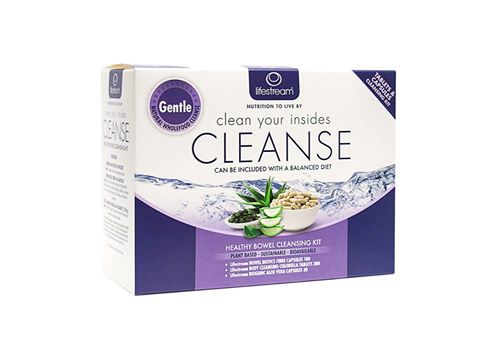
  4. Bowel – Psyllium husks, digestive enzymes, fibre-rich foods, Aloe Vera herbal medicine like licorice and Chamomile, colonic irrigation, enemas, bentonite clay, Epsom salts
  5. Kidneys – A steady intake of clean water, herbal medicine and tea like celery, mediation
  6. Lymphatic system – Rebounding, exercise, skin brushing, massage, zen chi machine

I personally like starting my day with ritual, especially at this time of the year when we’re all trying to get back into some kind of routine, and lose those extra kilos that have found their way onto our bodies. A morning ritual sets me up for the day and helps me to remain mindful about my intentions for that day. If I rush out of the house in the morning then I’m a bit off all day, and so is my gut, and mood. Try to take a few minutes for yourself in the morning; it’s an investment in your future. It’ll be worth it.

  1. Oil Pulling – This will remove the toxins that have built up overnight, or at least brush your teeth before eating or drinking. You don’t want to wash those nasty bacteria down into your gut.
  2. Aloe Vera – Take 30 mgs on an empty tummy. Do this again before bed if you can. This is one of the best things you can do for gut issues. What Native Americans call the “Wand of the Heaven” is one of nature’s most gentle, yet potent, digestive healers. If you’re suffering from digestive disorders, including leaky gut or fructose malabsorption, add aloe to your diet.
  3. Lemon Water: Squeeze half a lemon in half a glass of warm water. This will help to alkaline your system. The lemon will give the liver a kick-start, and the warm water will stimulate digestion. You can also add some sliced or grated ginger or turmeric if you like. Or try adding Lifestream’s HoneyGinger Syrup with manuka honey for extra health benefits.
  4. Breakfast: Instead of skipping breakfast altogether when you’re wanting to slim down and perk up a little, a smoothie is ideal as you can put all your nutritional needs in one glass. Include Lifestream’s Essential Greens+ (containing spirulina and chlorella) for it’s ability to detox and cleanse, its protein and iron levels and it’s good affect on the liver; and Lifestream’s Bowel Biotics Fibre that includes psyllium husks and loads of pre and pro-biotics for great gut health. Throw in some coconut water and pineapple for its ability to stimulate digestive enzymes, and you’re on your way to achieving great health from the inside out.

Janella Purcell 2016

Related

There are so many reasons I love being 52, but age spots and red patchy skin aren’t up there on the list of my favourite things. So if they decide to start vanishing, after giving my skin a daily treat of herbal medicine that’s been valued for it’s healing properties for centuries, and grown lovingly somewhere akin to paradise, and at the same time helping to relax and unwind my nervous system, then why wouldn’t I? 
Most of us can grow some herbs at home, and amongst the easiest are Rosemary, Comfrey and Calendula.
If you’re not quite there with the whole garden goddess thing, then have a look at The Herb Farm Skincare range from New Zealand, now available to us in Australia. 
Since 1993 they’ve been taking the hard work out of enjoying these ancient medicinal herbs at home. Not only are TheHerb Farm Skincare delicious products available internationally, but they’re formulated in a way that suits the modern woman’s skin – her spirit or #Shen as it’s referred to in Traditional Chinese Medicine. And goodness knows our mostly dry Aussie skin could use a drink, and some nurturing.
The Herb Farm Skincare uses these healing herbs in their skincare for the same reason our foremothers did – for radiant and dewy skin thats reflects our overall wellbeing. 
To enjoy a 15% Janella discount on your The Herb Farm Skincare order, use this code JANELLA15 and watch your skin take a deep sigh of relief, and a big drink.
Why have we used these particular herbs in skincare for centuries…
Rosemary is known to increase circulation thanks to its slightly warming nature that contains a chemical known as carnosol, and is a major contributor to rosemary’s incredible antioxidant action. Carnosol has additionally been found to be anti-inflammatory. Rosemary is used effectively to lighten dark spots and blemishes on the skin resulting in an enviable skin tone and a glowing complexion. And…these properties of rosemary help protect our skin and prevent signs of premature ageing by reducing both swelling and puffiness of the skin. 
Comfrey is a cool and moist herb usually found growing by lakes or in swampy areas. It has the highest mucilage (gooey) content of any herb, so it is a very moistening, incredibly soothing, calming, and healing herb. Ideal for healing acne, chapped, damaged, and irritated skin. It has long been valued on an energetic level as it ‘heals wounds so deep that it has a profound effect on the soul’s journey’. Used for its anti-inflammatory and regenerative purposes, it activates the healing process after environmental damage. Comfrey is ideal for dry skin, (and the compost bin too). 
Calendula is a cooling herb, ruled by the sun, with a great affinity to the solar plexus – helping us to shine, feel our own innate power, and and bring forth our confidence into the world. It usually blooms at the new moon each month in summer, and has traditionally been used in ritual to ‘inspire optimism and vitality and to attract success in every area of life’. Its protective energy draws light and love into our energy field, protecting us from negative influences. Calendula contains anti-fungal and anti-bacterial properties that treat most common skin conditions. It’s also good for reducing bruises, cuts, scars, and sores.
fullsizerender
Calendula in my garden


To enjoy a 15% Janella discount on your @TheHerbFarmskincare order, use this code JANELLA15 and watch your skin take a deep sigh of relief. 

Antioxidants are a generic term that describes the mopping up of free radicals (the bad guys) in your body – by increasing oxygenation.

Modern food far from existing in its original state, the stress of living in today’s world, strenuous exercise, sun exposure, pollution, chemicals used to grow our food and make our cosmetics, computers, TV’s and carpets, smoking, and bacterial infections can all cause a rise in free radicals to dangerous levels. This results in damage at a cellular level resulting in premature ageing like wrinkles, bad skin, black rings under the eyes and sometimes, serious illnesses such as cancer.

Many antioxidants are vitamins like C and E, but Carotenoids are the most powerful anti oxidants known. Along with chlorophyll, carotenoids are what give plants their colour. The most powerful carotenoid is Astaxanthin (blue-green algae), and the next is Beta Carotene, of which Spirulina is the richest known natural source. There are other foods high in different antioxidants. This is where you’ll find lots of them –

Astaxanthin

This little known carotenoid is now believed to be the most powerful antioxidant by far. There are only two natural sources of natural astaxanthin—the micro-algae that produce it, and the sea creatures that consume the algae (such as salmon, shellfish, and krill). Astaxanthin is 65 times more powerful than vitamin C, 54 times more powerful than beta-carotene, 550 times more powerful than Vitamin E. No adverse reactions at all have been found for people taking Astaxanthin. It’s perfectly safe. You’ll find astaxanthin in supplement form on line.

astaxanthin header

You may have heard of astaxanthin before. The synthetic version made in a laboratory is commonly used worldwide to give farmed fish, especially salmon, its pinkish red colour. You really do want to avoid man-made astaxanthin as it’s made from petrochemicals, which makes it a toxic hormone disruptor.

Cacao

According to a study in the “Journal of Agricultural and Food Chemistry” published in 2003, researchers compared the antioxidant capacity of black tea, green tea, red wine and cocoa, concluding that cocoa has the highest antioxidant activity among the four products and the greatest potential for health benefits.

Garlic and its juice

Garlic is one of the best medicines in the world. It has natural ‘germanium’ and is anti-fungal and antibacterial (just to name a few of its actions). If you’re cooking your garlic, crush it up and let it sit for ten minutes before adding it to your recipe. It has to sit so that the enzymes can create the healing phyto-chemicals we need.

Dried Fruit

Goji berries have an enormous amount of antioxidants, yet dried Pomegranate seeds, (also expensive) have almost double the amount. And then comes dried Indian Gooseberries that have around 10 times more than Goji berries.

Green Super-Foods

Spirulina, chlorella and barley grass are chock full of minerals and enzymes. The enzymes are both anti-mycotoxin (mycotoxins are released by yeast/fungal infections) and antioxidants.

Matcha

This premium green tea powder from Japan is used for drinking as tea, or to use as a vibrant, green ingredient in recipes. Other green teas are grown throughout the world, but Matcha is unique to Japan. One cup of Matcha contains as much as 10 times the antioxidants of one cups of brewed green tea.

Quercetin

An antioxidant belonging to a class of water-soluble plant substances called flavonoids. Some research has shown quercetin-rich foods, such as apples, berries, red grapes, red onions, capers and black tea, are ‘natural antihistamines’ as they prevent histamine release. Quercetin is also available in supplement form.

Selenium

Sources include wheat germ, garlic, Brazil nuts, eggs and brown rice. Brazil nuts are perhaps the best source of this important mineral, and eating just 3-4 Brazil nuts per day may provide adequate intake for most people to maintain levels. Although, a supplement may be necessary if levels are low.

Vitamin A

Is found in dark green leafy veggies such as kale, rocket, baby spinach and all your Asian greens and any fruit or veg’ that is green, yellow, red or green in colour – so pumpkin, carrots, capsicum and broccoli, and spirulina has an enormous amount.

Vitamin C

This vitamin has long been known to battle the effects of ageing and disease. Like Vitamin E, Vitamin C is an effective antioxidant so it will help to reduce free radicals. Most fruits especially guava and paw paw are good sources of Vitamin C as are vegetables like kale, broccoli, cauliflower, tomato, Brussels’ sprouts and cucumber. Goji berries, Gubinge and Camu Camu have more Vitamin C per weight than most other foods on earth.

Vitamin D

Different from other vitamins because our bodies can make most of what we need with exposure to sunlight, unlike having to get it from our diet. In fact most foods aren’t great sources of vitamin D, and there are only a small amount to choose from. The best sources are cod liver oil, sardines, wild Alaskan salmon, mackerel and mushrooms. Sunlight is the best way to get your Vitamin D as it promotes this vitamin’s synthesis from cholesterol in the skin.10-15 minutes a day is enough, and allowing the sun to shine on as much of you body as you can is the way to go.

Vitamin E

Found in olives, nuts and seeds oils, wheat germ and leafy greens.

Zinc

Good sources are oysters, organic red meat, wheat germ, miso, pumpkin seeds, alfalfa, sardines, legumes, mushrooms, pecans, organic soybeans, sunflower seeds and whole grains.

Herbs + Spices

Extremely high in antioxidants, in fact at least 10 times higher than the foods above per weight, and the herbs and spices below are in a class of their own when it comes to antioxidants. Add these foods to your meals but you can also use them as essential oils and some of them as herbal tinctures. Look for 100 percent pure (therapeutic grade) oils, which are highest in antioxidants, and organic or at least wild-crafted herbal medicine. From the highest are cloves, cinnamon, rosemary, oregano, turmeric, cumin, parsley (dried), basil, ginger and thyme  

See also my eBook – Herbs and Spices

Many of us are now aware that some things are better for our microbiota than others, and to varying degrees.  Antibiotics and laxatives, as well as medications against fever and pain, contraceptive hormones (The Pill), or those to alleviate menopausal symptoms all negatively affect gut flora composition. Antibiotics when prescribed responsibly are obviously life saving. They have saved countless lives and wiped out many diseases. But, there’s a price to pay for everything, and in this case the over- use of antibiotics has gotten us into some serious strife.

These days however, it’s pretty hard to avoid them. Even if you’re a raw food vegan who’s never sick, you’re still likely to be exposed to antibiotics. 80% of the antibiotics manufactured world wide are for animals for food, so we’re constantly being exposed to antibiotics, every time we eat or drink, as the manure your veggies are grown with comes from animals that have been fed antibiotics. Antibiotics are in our food and in our water.

Studies are showing that small amounts of antibiotics given regularly, is a whole lot worse than one big hit when you’re sick and you actually need them. Antibiotics are not meant for prevention, but it is a billion dollar industry, so making changes to the system is, well, tricky.

It’s encouraging to see that more and more conscious farmers are using herbs and essential oils like oregano oil to replace expensive and damaging antibiotics that are so commonly and mindlessly used in commercial farming. The over-use of antibiotics both for us and in our food is destroying our gut flora, reduces immunity, increases anxiety and depression and keeps us susceptible to everything. Not to mention the damage they’re doing to our animals and our planet.

So far, western medicine’s answer has been to prescribe yet more drugs, so that now we have arrived in a scary place called ‘antibiotic resistant’. This is now at crisis levels, meaning some infections are becoming untreatable. What we’ve basically done is coat our world in a bubble of antibiotics by our overuse and inappropriate use of them. And antibiotic use is in Australia, which directly affects the development of antibiotic resistance.

Methicillin-resistant Staphylococcus aureus (MRSA), is a type of staph’ that has developed resistance to a family of antibiotics similar to penicillin. When we take an antibiotic, the drug kills many bacteria, but a few survive. These surviving bacteria are now resistant to that antibiotic, and then they multiply. What this means is, every time a patient takes an antibiotic, he or she is creating more drug-resistant bacteria. The growing number of antibiotic-resistant bacteria poses a very serious and immediate threat to our health as a species. In 1974, MRSA infections accounted for 2% of the total number of staph infections; in 1995 it was 22%; in 2004 it was 63%. These bacteria were once mainly found in hospitals, doctor’s surgeries and nursing homes, but recently they’ve been showing up in gyms, schools, sports clubs, and other places where people are in close contact.

Two-thirds of the children today have already taken a course of antibiotics by the time they are 12 months old. Antibiotics have been shown to affect the childhood microbiome causing changes associated with allergies, obesity and autism – three of the biggest childhood issues in developed countries. This means long-term health implications for these children. While this link is still being researched, the evidence is mounting.

Bacterial infections need antibiotics, as the infection will only get worse, if it’s not treated. Examples of serious infections that arguably need antibiotics under one year of age are meningitis, whooping cough, pneumonia, infection in the blood and urinary infections. Antibiotics are ineffective for common viral infections however, so treating these with antibiotics results in none of the benefits and all of the disadvantages. These include most respiratory infections – for example of the ear, throat and chest, yet we are still constantly being prescribed antibiotics for these conditions. There are many effective alternatives to synthetic antibiotics. Herbal medicine and essential oils have both undergone much research and the results are exciting.

A recent British report estimated that antibiotic and microbial resistance could kill an extra 10 million people a year and cost up to $100 trillion USD by 2050 if it is not brought under control, and soon.

Btw, scientists often modify seeds using antibiotic-resistant genes in the genetic engineering process. Some people wonder if there’s a link between these GM Frankenfoods and the ever increasing rates of antibiotic resistant bacteria.

See GMO Foods in my eBooks


Castor Oil – coming from the seeds (or beans) of the Ricinus communis plant,  is an oil rich in antioxidants and Ricinoleic Acid (RA) and also contains small amounts of linoleic, oleic and stearic acid. The healthiest and safest version of castor oil comes from de-hulling the bean, then cold-pressing the seeds to produce the rich and viscous oil.

blossom 432522 1280

Castor oil packs have been used by healers to help reduce a variety of health conditions for many generations. Placed over your abdomen or liver, these packs are used to improve liver detoxification, breakdown kidney stones, reduce period pain, reduce symptoms of autoimmunity, support uterine and ovarian health, improve lymphatic circulation and reduce inflammation.

To DIY: Mix two to four drops of an essential oil – depending on what you’re treating – with enough warm castor oil to lightly soak a piece of cloth, (either a lightweight tea towel, or a piece of linen, or even a face washer). Castor oil has a rather strong smell, so be ready.

Btw, you can buy packs that include a piece of flannel cloth and a pack, with straps – so you’re all sorted. Just Google ‘castor oil packs’. (See images.)

Wring out the cloth to remove any excess oil, then place it over your abdomen or liver for at least 30 minutes, with a heat source like a wheat pack or hot water bottle over the top of it.  This helps to stimulate lymph and liver function. Lie flat in bed, and perhaps cover your eyes with an eye pillow and use this time of quiet relaxation to go within.

Placing the pack on the right side of the abdomen or the whole abdomen will help support the liver and digestive systems, as well as reproductive and colon health. These packs are used also to relieve pain. Aim to do it 3 times a week, and relax.

Castor oil packs can be a bit messy, so I wrap mine in a plastic-free cover like a bees wax wrap, or an apron. Be aware of any skin sensitivities, so avoid applying the oils directly to your skin.


castor oil

Side note – I was once at a sanitarium (health retreat/hospital) in Austria, and part of the program was a daily liver pack, such as this one above. Instead of the oil-soaked cloth though, they used flaked pieces of dried burdock root (a great liver herb) that had been warmed and stuffed in a plastic zip lock bag. It was delivered to my room like this, so all I had to do was lay down on my bed, put a light towel over my abdomen and then the compress over the top. Gawd it was nice. And I really did feel the benefits. Gut and reproductive pain, as well as pent up anger and resentment – all but disappeared using these packs daily for the 5 days I was there.

Either way you decide to do it – it’s going to help.


castor oil pack holder by heritage