
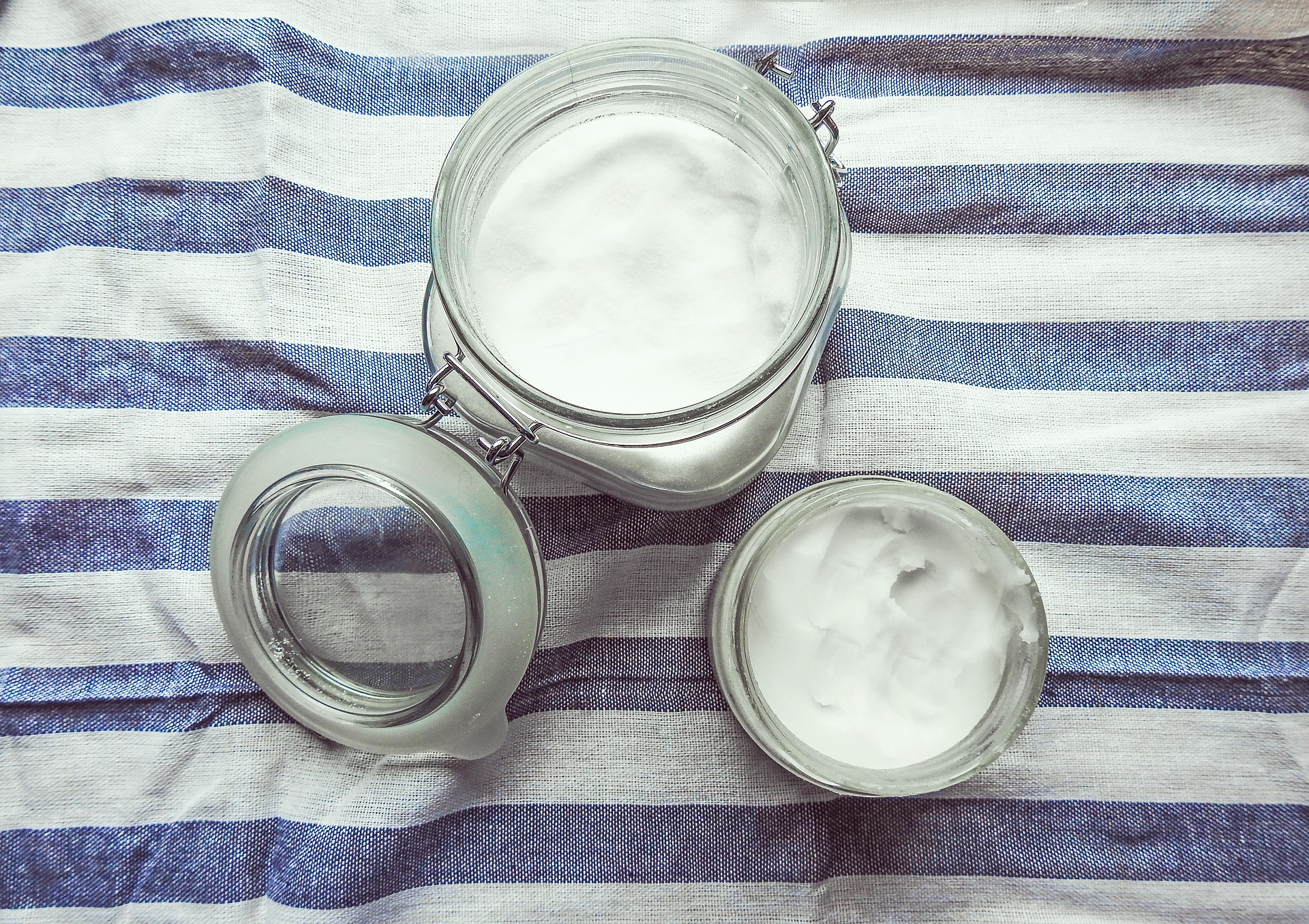
 I posted some of this information on my Facebook page during the ‘Ingredient Of The Week’ I did on Cooking Oils a couple of weeks ago. From this I was asked to put it altogether together with a summary. So here ‘tis is.
Which Oils to Cook With – my post last night has brought with it a lot of charged comments, and a variety of questions brought about by confusion. This confusion started when Dr. Dean Cornish told us from his famous study that olive oil was not safe to cook with due to its low smoking point. Well, now it seems that a new study says otherwise. (And all the Nonna’s past and present will be laughing their heads off stirring their slowly cooked Napoli.)
[private]Smoking Point. A lot of you ask which ones are best to cook with due to their ‘smoke point’, toxic levels and nutritional content. So over this week I’ll do my best to answer these questions as well as post recipes and storage tips. Let’s start with an oils ‘Smoking Point’. What does this mean?
Put your skillet or pan on the stove and pour in a couple of tablespoons of oil, turn up the heat and see how long it tastes before you have thick, black smoke coming out of the pan. The oils ‘Smoke Point’ was reached. The smoke point of oils and fats is the temperature when it breaks down and fails as a lubricant. When oil breaks down it forms a whole host of toxic compounds, including carcinogens – the stuff that can give you cancer. There are also things in that broken oil that will cause foods to stick and taste awful. Knowing how hot the oil you are using can get will help you avoid the Smoke Point. Below is a list of the most popular oils and fats and their approximate smoking point.
Safflower Oil, unrefined 107°C
Sunflower Oil, unrefined 107°C
Peanut Oil, unrefined 160°C
Olive Oil, extra virgin 160°C
Safflower Oil, semi-refined 160°C
Coconut, virgin 177oC
Butter 177oC
Grape Seed 204oC
Olive Oil, extra virgin 206°C
Macadamia Oil 210oC
Olive Oil, virgin 210°C
Coconut refined + stabilised 232oC
Peanut Oil, refined 232°C
Safflower Oil, refined 232°C
Sunflower Oil, refined 232°C
Olive Oil, extra light 243°C
Rice Bran 240oC
Avocado Oil 270°C
Olive Oil: The key is that you use only organic, extra-virgin, cold first-pressed olive oil, which is rich in phyto-nutrients. In comparison to this pure oil, processed olive oils don’t necessarily offer any benefit at all. Some experts contend that refined olive oil has a smoke point of around 176oC degrees, while high-quality extra-virgin has a much higher smoke point, up around 210oC. In any event, olive oil maintains its nutritional integrity even when heated to high temperatures, and even as it creates those carcinogens.
To be on the safe side, use olive oil only for lower-temperature cooking. If you buy higher-quality olive oil, it has a relatively high smoke point – simply heat your oil in a pan and notice when it starts to emit smoke. You’ve found the smoke point, and you need to draw the line before that.
You can use avocado oil for high temperature cooking. (I’ll discuss coconut oil this week also.) Avocado oil has a very high smoke point by comparison to other cooking oils. It will not burn or smoke until it reaches 271oC, which is ideal for searing meats and frying in a Wok.
Sunflower Seed Oil: It is high in unsaturated fatty acids and provides and excellent layer of protection for all skin types and keeps the skin moisturized and healthy. Great after the shower and perfect in Autumn. It is high in the essential vitamin E and low in saturated fat. It is recommended for cooking at low temperatures, or in mayonnaise and salad dressings, as it smokes at 107oC, whereas olive oil has a smoking point of 190oC oil with high levels of polyunsaturated fat. It is also known for having a clean, neutral taste. It’s also a wonderful source of vitamin B for healthy nervous and digestive symptoms; it helps relieve symptoms of arthritis; a great body moisturiser; it can lower the risk of heart disease and colon cancer, and reduces asthmatic symptoms. As with all oil it is best to buy it organic, unrefined and in a dark glass bottle so it’s volatile oils is kept in tact.
Coconut Oil: Because coconut oil is a medium-chain saturated fatty acid, it gives it a higher smoking temperature than most polyunsaturated or monounsaturated oils – around 200oC -230oC, after it’s been refined and stabilised. Unrefined coconut oil smokes in the range of 175 °C. That’s about the same as butter or lard. Unrefined coconut oil smokes in the range of 175°C. That’s about the same as butter or lard. For very high temperature cooking I usually use avocado or macadamia oil. Coconut oils contain short-term medium-chain saturated fatty acids (MCFAs), which is a healthy form of saturated fat compared to trans fat. Trans fatty acid consumption is linked with heart problems, depression, cancer and increased cholesterol levels. Preservatives such as sulphites 220-228 are found in most packaged foods. Sulphites are known to cause inflammation and allergic reactions when ingested, or even inhaled – so be sure to buy organic coconut products.
Grapeseed Oil: As with all oil nut and seed oils, by them cold-pressed and unrefined only, and in an sealed, opaque bottle to protect them against damage from light and oxygen. Organically grow is a good idea also as otherwise a toxic chemical called ‘hexane’ is used to ‘extract the edible oils from seeds and vegetables’. (Hexane is also used as a cleaning agent, and a degreaser in the printing industry). Grapeseed has a smoking point of 270oC, but school is out whether oils with a high level of polyunsaturated fat, such as grapeseed – should be heated at all. High ‘mono’ unsaturated fats are better for cooking it seems. Grapeseed oil also has a high ratio of omega 6 fatty acids, which are pro-inflammatory. Moderate use of organic grapeseed oil will be fine, especially if you add a bit of a saturated fat (coconut oil) to protect the polyunsaturated content. To sum up – there are better oils to regularly cook with – avocado, macadamia, olive, coconut. Grapeseed is well suited to skin and body care – it makes a great moisturiser and hair oil.
Sesame Oil: Despite its high proportion (41%) of polyunsaturated (Omega-6) fatty acids, it is the least prone to turn rancid. This is due to the naturally high level of antioxidants present in this oil. Sesame oil has a high smoke point of 177oC and is suitable for high temperature cooking. Semi- refined sesame oil is higher smoke point at 232oC. While the dark sesame oil – from roasted sesame seeds – has a slightly lower smoke point and is best used at lower temperatures like stir-frying or sautéing. Roasted sesame oil is often used as a seasoning thanks to its distinct flavour. Sesame oil has been used as healing oil for thousands of years. Personally I wouldn’t fry in sesame oil, but use it as a flavouring. This is another great oil to use topically and has so many health benefits when used raw, or just slightly heated
Peanut Oil: It gained in popularity during WW11 when there was a shortage of other oils when other oils. It contains 32% polyunsaturated fat and 46% monounsaturated and smokes at 225oC. So far so good. It’s available cold pressed – good again. Allergies – most highly refined peanut oils remove the peanut allergens and have been shown to be safe for ‘the vast majority of peanut-allergic individuals’. Cold-pressed peanut oils may not remove the allergens and thus could be highly dangerous to people with peanut allergy. Since the degree of processing for any particular product is often unclear, it’s best to avoid all peanut oils if you have an allergy. Also, peanuts that contain the mould that produces highly toxic aflatoxin can end up contaminating the oil derived from them. Not good. The run down – there are better oils to use for high temperature cooking like macadamia and avocado, although they are more expensive of course. If you really want to use peanut oil then be sure to buy it cold pressed, organic and in a dark glass bottle. And let everyone know you’ve used it, in case people with allergies are around.
Rice bran oil: It has a high smoke point of 232°C, as other refined and stabilised oils do. It’s free of trans fats and relatively low in saturated fat at around 20%, and contains 32% polyunsaturates and 40% monounsaturated, which make it similar in composition to sesame oil. So what’s the issue? There are two. The ways it’s been processed and the potentially high levels of heavy metals present. If the rice bran oil had been extracted by cold pressed method then ok, but it’s not. The oil is extracted by a company in Thailand and is extracted using solvents. It goes something like this. The oil extracted from rice bran goes rancid quickly once pressed. To refine it, a solvent is used to extract the oil from the germ, which is later evaporated off (and tested post-production for residual solvents to double check for traces). Neutralisation, bleaching, winterisation and de-odourisation steps follow that, as with most other oils the rice bran oil is subjected to high temperatures during the extraction phase prior to the filtration. This creates refined and stabilized oil, bringing about a long shelf life and high smoke point. What you lose is a clean oil.
Many people are also asking about arsenic in rice products like rice bran oil and rice syrup. Arsenic is a natural element that can contaminate soil, as well as groundwater used for drinking and irrigation. Residue from decades of the routine use of arsenic-based herbicides and insecticides pose a real threat to all food production, organic and conventional. Regardless of how it is raised, rice plants grown in soils still contaminated with arsenic will extract the element from the soil, and some will be present in the grain harvested from those plants. It’s also important to note that all minerals, including heavy metals, cannot be created or destroyed – they can only be redistributed and recycled in our ecosystem. Therefore, these minerals are everywhere. Man has played a role in the concentration of some of these minerals in certain areas. The historic use of arsenic-based pesticides and herbicides (especially with crops like cotton) has concentrated this mineral more in certain agricultural areas than others.
According to what I read, the arsenic in question is largely organic arsenic, the version of this mineral that is not absorbed by the human body. If you’re worried, then check with the manufacturer as to where their rice is grown and if that country has a history of arsenic in the soil. Pakistan, a country along with India and parts of California has shown to produce rice with the least amount of naturally occurring and arsenic-based pesticides. China has the highest levels. Another reason to eat seaweed (not from Japan though) – they help pull heavy metals out of our body.
Avocado oil: This is one of few edible oils not derived from seeds; it is pressed from the fleshy pulp surrounding the avocado pit. The smoke point of unrefined avocado oil is 249 °C and the refined form can reach 271 °C. It is high in monounsaturated fats making it suitable for high temperature cooking, and it’s a good source of vitamin E – to protect against cardiovascular disease, and one of the reasons it makes a great oil to use topically for the skin.
Oils To Keep Raw: Hemp, flax, chia and walnut. And keep them in the fridge to ensure the delicate omega oils are not damaged. Use them in your smoothies, chia pudding, hummus, drizzled over your curries, Dahl, casseroles and soup in the cooler months, and also add to Bliss Balls, Truffles and any raw dessert. Pictured – hemp seeds and oil.
Walnut Oil has about the same amount of omega 3 oils, as you’ll find in a piece of salmon. Keep it raw by adding it to your smoothie, salads, veggies, and raw desserts.
* See my other Blogs on Chia and Hemp for more info on these oils.
‘Turmeric Oil’ to finish off ‘Cooking Oil Week’ (and a half). So my slightly obsessive nature decided to make LOADS of this medicinal magic oil on Sunday. So I dug up about 4 cups or turmeric from my garden, scrubbed it clean then popped it into the Vitamix and covered it with organic, extra virgin olive oil. (Even writing this is giving me waves of pleasure.) I blitzed it smooth then poured the puree into a large soup pot and added more of the gorgeous olive oil, as it was very thick. I brought it to a simmer then turned it off. I have been stirring it in the pot a few times a day since Sunday afternoon. I just strained it. It’s a heavenly dark, golden colour and smells like both pleasure and health at the same time. It’ll last as long as the olive oil would have on its own out of the fridge, and yes you can use avocado or coconut oil, but you already knew this after your 10 days of oil education. I’ll use the strained pulp first as there’s lots and it will only last a couple of weeks. Recipe in this link. https://www.facebook.com/JanellaPurcell/posts/517520675025167
FAQ’s
Q. What are the best oils for high temp cooking?
A. Macadamia and coconut.
Q. Can I heat olive oil without it turning into a trans-fat?
A. Yes. Use very good quality olive oil – organic and extra virgin. Avoid using it to deep fry though.
Q. Should I use coconut or olive oil to cook with?
A. Either.
Q. Doesn’t coconut oil contains preservatives?
A. Yes, sometimes it does. Look for organic oil or at least sulphur-free.
Q. Is rice bran ok?
A. No. A once off will be ok but not for regular use.
Q. Which oils are a definite no- no?
A. ‘Vegetable’; palm (unless certified ‘sustainable’); those grown using GMO technology
Q. What oils are grown using GMO technology?
A. Canola, corn, cottonseed, soy.
Q. Which oils are the best for my skin, topically?
A. Rosehip, sunflower, avocado, hemp, sesame, walnut, grapeseed, coconut, olive.
Q. What oils are best kept raw?
A. Hemp, chia, flax, walnut, sunflower.
Q. What temp can you heat something to and still consider it raw?
A. 40-50 deg C
Q. What do I look for when buying an oil?
A. A dark bottle, BPA free plastic or glass. Preferably organic but at least unrefined.
I hope this reduces your confusion surrounding cooking oils, and which ones to use.
In heath and happiness,
Janella [/private]


To enjoy a 15% Janella discount on your @TheHerbFarmskincare order, use this code JANELLA15 and watch your skin take a deep sigh of relief.

Antioxidants are a generic term that describes the mopping up of free radicals (the bad guys) in your body – by increasing oxygenation.
Modern food far from existing in its original state, the stress of living in today’s world, strenuous exercise, sun exposure, pollution, chemicals used to grow our food and make our cosmetics, computers, TV’s and carpets, smoking, and bacterial infections can all cause a rise in free radicals to dangerous levels. This results in damage at a cellular level resulting in premature ageing like wrinkles, bad skin, black rings under the eyes and sometimes, serious illnesses such as cancer.
Many antioxidants are vitamins like C and E, but Carotenoids are the most powerful anti oxidants known. Along with chlorophyll, carotenoids are what give plants their colour. The most powerful carotenoid is Astaxanthin (blue-green algae), and the next is Beta Carotene, of which Spirulina is the richest known natural source. There are other foods high in different antioxidants. This is where you’ll find lots of them –
Astaxanthin
This little known carotenoid is now believed to be the most powerful antioxidant by far. There are only two natural sources of natural astaxanthin—the micro-algae that produce it, and the sea creatures that consume the algae (such as salmon, shellfish, and krill). Astaxanthin is 65 times more powerful than vitamin C, 54 times more powerful than beta-carotene, 550 times more powerful than Vitamin E. No adverse reactions at all have been found for people taking Astaxanthin. It’s perfectly safe. You’ll find astaxanthin in supplement form on line.

You may have heard of astaxanthin before. The synthetic version made in a laboratory is commonly used worldwide to give farmed fish, especially salmon, its pinkish red colour. You really do want to avoid man-made astaxanthin as it’s made from petrochemicals, which makes it a toxic hormone disruptor.
Cacao
According to a study in the “Journal of Agricultural and Food Chemistry” published in 2003, researchers compared the antioxidant capacity of black tea, green tea, red wine and cocoa, concluding that cocoa has the highest antioxidant activity among the four products and the greatest potential for health benefits.
Garlic and its juice
Garlic is one of the best medicines in the world. It has natural ‘germanium’ and is anti-fungal and antibacterial (just to name a few of its actions). If you’re cooking your garlic, crush it up and let it sit for ten minutes before adding it to your recipe. It has to sit so that the enzymes can create the healing phyto-chemicals we need.
Dried Fruit
Goji berries have an enormous amount of antioxidants, yet dried Pomegranate seeds, (also expensive) have almost double the amount. And then comes dried Indian Gooseberries that have around 10 times more than Goji berries.
Green Super-Foods
Spirulina, chlorella and barley grass are chock full of minerals and enzymes. The enzymes are both anti-mycotoxin (mycotoxins are released by yeast/fungal infections) and antioxidants.
Matcha
This premium green tea powder from Japan is used for drinking as tea, or to use as a vibrant, green ingredient in recipes. Other green teas are grown throughout the world, but Matcha is unique to Japan. One cup of Matcha contains as much as 10 times the antioxidants of one cups of brewed green tea.
Quercetin
An antioxidant belonging to a class of water-soluble plant substances called flavonoids. Some research has shown quercetin-rich foods, such as apples, berries, red grapes, red onions, capers and black tea, are ‘natural antihistamines’ as they prevent histamine release. Quercetin is also available in supplement form.
Selenium
Sources include wheat germ, garlic, Brazil nuts, eggs and brown rice. Brazil nuts are perhaps the best source of this important mineral, and eating just 3-4 Brazil nuts per day may provide adequate intake for most people to maintain levels. Although, a supplement may be necessary if levels are low.
Vitamin A
Is found in dark green leafy veggies such as kale, rocket, baby spinach and all your Asian greens and any fruit or veg’ that is green, yellow, red or green in colour – so pumpkin, carrots, capsicum and broccoli, and spirulina has an enormous amount.
Vitamin C
This vitamin has long been known to battle the effects of ageing and disease. Like Vitamin E, Vitamin C is an effective antioxidant so it will help to reduce free radicals. Most fruits especially guava and paw paw are good sources of Vitamin C as are vegetables like kale, broccoli, cauliflower, tomato, Brussels’ sprouts and cucumber. Goji berries, Gubinge and Camu Camu have more Vitamin C per weight than most other foods on earth.
Vitamin D
Different from other vitamins because our bodies can make most of what we need with exposure to sunlight, unlike having to get it from our diet. In fact most foods aren’t great sources of vitamin D, and there are only a small amount to choose from. The best sources are cod liver oil, sardines, wild Alaskan salmon, mackerel and mushrooms. Sunlight is the best way to get your Vitamin D as it promotes this vitamin’s synthesis from cholesterol in the skin.10-15 minutes a day is enough, and allowing the sun to shine on as much of you body as you can is the way to go.
Vitamin E
Found in olives, nuts and seeds oils, wheat germ and leafy greens.
Zinc
Good sources are oysters, organic red meat, wheat germ, miso, pumpkin seeds, alfalfa, sardines, legumes, mushrooms, pecans, organic soybeans, sunflower seeds and whole grains.
Herbs + Spices
Extremely high in antioxidants, in fact at least 10 times higher than the foods above per weight, and the herbs and spices below are in a class of their own when it comes to antioxidants. Add these foods to your meals but you can also use them as essential oils and some of them as herbal tinctures. Look for 100 percent pure (therapeutic grade) oils, which are highest in antioxidants, and organic or at least wild-crafted herbal medicine. From the highest are cloves, cinnamon, rosemary, oregano, turmeric, cumin, parsley (dried), basil, ginger and thyme


Castor Oil – coming from the seeds (or beans) of the Ricinus communis plant, is an oil rich in antioxidants and Ricinoleic Acid (RA) and also contains small amounts of linoleic, oleic and stearic acid. The healthiest and safest version of castor oil comes from de-hulling the bean, then cold-pressing the seeds to produce the rich and viscous oil.

Castor oil packs have been used by healers to help reduce a variety of health conditions for many generations. Placed over your abdomen or liver, these packs are used to improve liver detoxification, breakdown kidney stones, reduce period pain, reduce symptoms of autoimmunity, support uterine and ovarian health, improve lymphatic circulation and reduce inflammation.
To DIY: Mix two to four drops of an essential oil – depending on what you’re treating – with enough warm castor oil to lightly soak a piece of cloth, (either a lightweight tea towel, or a piece of linen, or even a face washer). Castor oil has a rather strong smell, so be ready.
Btw, you can buy packs that include a piece of flannel cloth and a pack, with straps – so you’re all sorted. Just Google ‘castor oil packs’. (See images.)
Wring out the cloth to remove any excess oil, then place it over your abdomen or liver for at least 30 minutes, with a heat source like a wheat pack or hot water bottle over the top of it. This helps to stimulate lymph and liver function. Lie flat in bed, and perhaps cover your eyes with an eye pillow and use this time of quiet relaxation to go within.
Placing the pack on the right side of the abdomen or the whole abdomen will help support the liver and digestive systems, as well as reproductive and colon health. These packs are used also to relieve pain. Aim to do it 3 times a week, and relax.
Castor oil packs can be a bit messy, so I wrap mine in a plastic-free cover like a bees wax wrap, or an apron. Be aware of any skin sensitivities, so avoid applying the oils directly to your skin.

Side note – I was once at a sanitarium (health retreat/hospital) in Austria, and part of the program was a daily liver pack, such as this one above. Instead of the oil-soaked cloth though, they used flaked pieces of dried burdock root (a great liver herb) that had been warmed and stuffed in a plastic zip lock bag. It was delivered to my room like this, so all I had to do was lay down on my bed, put a light towel over my abdomen and then the compress over the top. Gawd it was nice. And I really did feel the benefits. Gut and reproductive pain, as well as pent up anger and resentment – all but disappeared using these packs daily for the 5 days I was there.
Either way you decide to do it – it’s going to help.
