
We all have bad days, some worse than others, yet some we just love to continue to revisit in our heads because they were just so darn wonderful. And then again, some days it’s hard to get out of bed. It seems easier when we know the reason why we’re feeling the way you do – low iron, a hangover, your pre-menstrual and feel like being alone, after a breakup – but It’s when you don’t know and that black cloud appears over your head, again, and it won’t go away, again, that we start to wonder what’s going on, and look for ways to get out of the hole, or away from the ‘black dog’ barking.

[private]There are many reasons why we get the blues, and sometimes I believe it’s a good thing. There are certainly things that happen in our lives from time to time that justify us feeling less than spritely, and why are we so attached to being happy all the time anyway?
The problem is when we can’t get out of the hole, and we want to. When the darkness continues for too long without even a hint of a light. This is when the balance has been tipped by something either internal or external. It’s time when we had a good look at what may be the cause.
The ending of a romantic relationship is certainly one of these times that most of us can relate to. Hell right? An argument with one of your best friends that hasn’t been resolved can trigger a deep grief that continues, feeling betrayed is another, getting the sack, being bullied, let down, abandoned, grieved, broke, fat, infertile, homeless, lonely, sick…or the fear of any of these things potentially happening – which may present as anxiety, rather than depression.
Any of these things can be the catalyst to enter the ‘dark wood’, but why is it we sometimes can’t get out; even when we know it’s time to let it go and move on? Why can’t we? Well, here I’m not talking about serious medical conditions such as severe depression or anxiety, schizophrenia, manic depression, OCD, agoraphobia or other serious mental health issues. But more of the every day kind of blues and anxiety that we have some control over.
Firstly it is essential that you are physically healthy. Expecting to have a balanced mental state after having too many late nights that include too much alcohol, not enough sleep and perhaps bad food, then adding drugs to the mix – either pharmaceutical or recreational – is just plain nuts. It is essential we get enough sleep, the right nutrition, stay physically active and drink enough clean water for us to even begin thinking about why we might feel sad or anxious. If you are suffering with anxiety or depression (same coin, different sides) get these things right – most of the time – before you start thinking you may be suffering with something more serious. Of course you’re going to feel anxious if you got to bed at 3am after working a 18 hour day with huge stress, then winding down with a couple of glasses of wine, then up again at 7am for a black coffee and sugary breakfast. Then starting all over again. Get your soil fertile, and then watch what grows. If you’re still in the hole after the physical things have been addressed, and you can’t find an emotional reason why you feel sad, then yes it’s time to see someone about your mental health.
These are the nutrients that will most aid the functioning of your mental body –
Omega 3 fatty acids
How does omega-3 affect mood? There are several lines of evidence that suggest that omega-3 consumption may be associated with mood disorders. Research suggests that omega-3 is related to a number of biological processes that have been found to be associated with brain functioning.’ Black Dog Institute.
However, not all omega-3 fatty acids yield the same benefit. They are further classified into 2 groups – “long chain” such as DHA and EPA, and “short chain” such as ALA (alpha linolenic acid). The long chain fatty acids are the ones that are considered most beneficial. They are readily available from the oils of cold -water fish such as sustainably caught salmon, sardines, and mackerel. The short chain ALA is found in flax seeds, chia seeds, hemp and algae for example. The human body does know to turn ALA into the more useful EPA and DHA, but only at 10-15% efficiency.
It appears that eating foods high in omega-3 is not enough. The proportion of omega-3 to omega-6 fatty acids in our bodies also plays a role in improving health outcomes. The modern diet has raised our consumption of omega-6 –mainly through soybean and corn oils, and also refined grains – to levels that are very unhealthy and way too high compared to our omega-3 levels. This imbalance needs to be addressed by either consuming less omega-6 (especially from these awful sources), or more foods high omega-3 fatty acids.
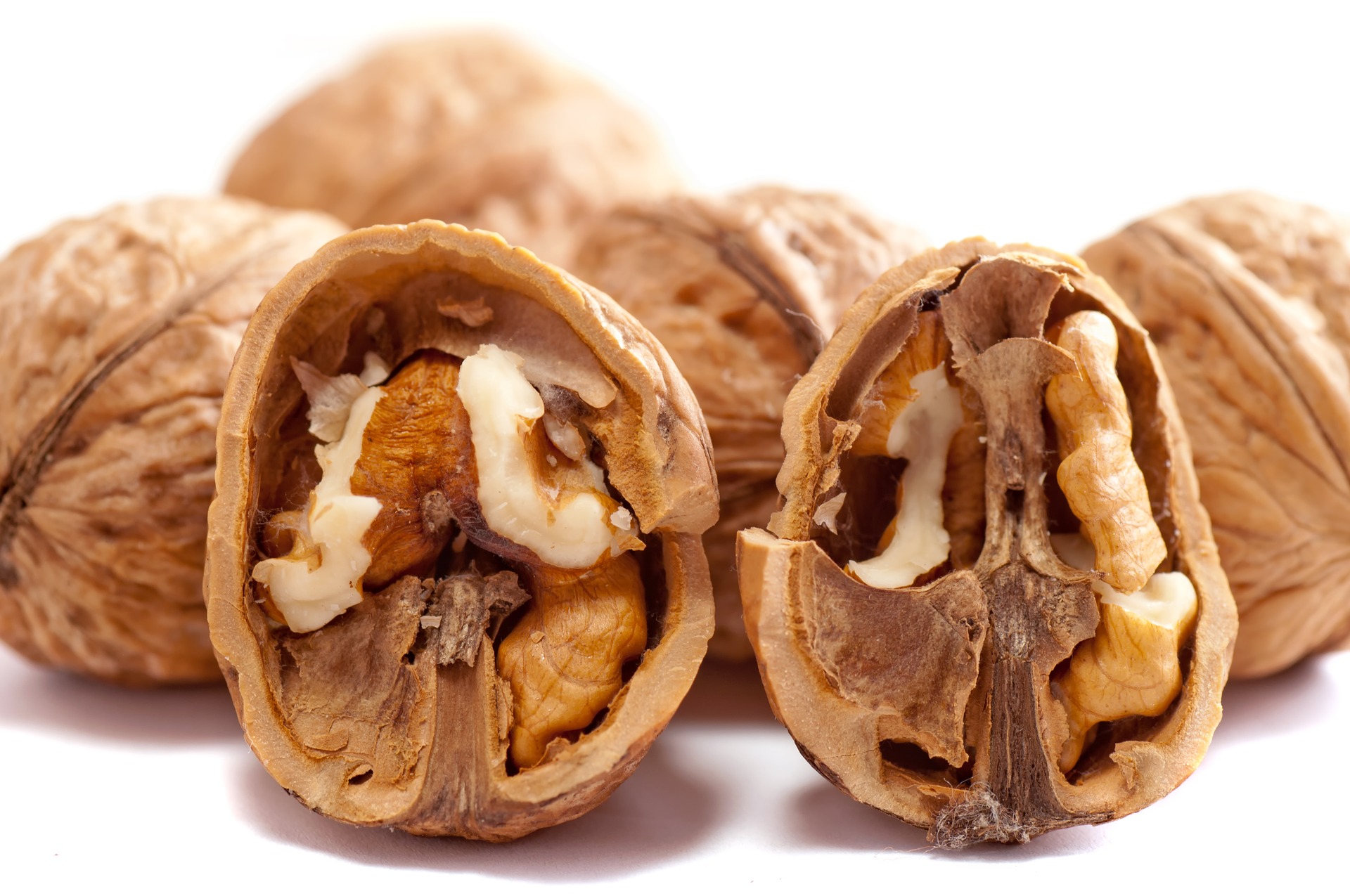
Foods To Include – walnuts; hemp, chia and flax seeds; seaweed; algae; sustainably- caught fish’ or an ethically sourced supplement.
B Vitamins
An important group of vitamins, especially when it comes to emotional stress.
Vitamin B1 (Thiamin) is beneficial during anxiety and panic because it facilitates Neurotransmitter Synthesis, promotes healthy nerve function, and converts carbohydrates in foods into energy. Foods like Asparagus, Soy milk, Barley, Oats, Wheat, Sunflower Seeds, Brazil Nuts, Wild Alaskan Salmon, Rice, Avocados, Mussels. Or a supplement. Lifestream’s ‘Natural B Complex Powder’ made from sustainable sourced sprouted quinoa.
Vitamin B2 (Riboflavin) is beneficial for anxiety and panic because it converts other B vitamins to useful forms so that they can do their work. In addition, since it aids in the production of infection-fighting immune cells, riboflavin helps bolster the immune system. Include Avocados, Clams, Yogurt and Mushrooms.
Vitamin B6 helps the body to manufacture brain chemicals (neurotransmitters), such as serotonin, essential for the body to cope with anxiety and panic. Vitamin B6 may also help boost the immune system during times of anxiety. Include sweet potatoes, Avocados, Bananas, Mangoes, Sunflower Seeds, Chickpeas, Wild Alaskan Salmon, Potatoes, Bok Choy, Rice, and Barley.
Vitamin B7 (Biotin) assists the body in metabolizing protein, fats, and carbohydrates from food. It is important during times of anxiety and panic because it plays a special role in helping the body to use glucose and promotes overall equilibrium along with the other B vitamins. Include Cauliflower, Organic Peanuts, Eggs, and Organic Cheese.
Vitamin B12 (Cobalamin) helps the body to cope with anxiety and panic because it works in concert with other B vitamins. B12 supports the nervous system and assists the body in converting food into energy. Miso, sourdough, tempeh, eggs, algae, shitake mushrooms, Yogurt, Oysters, Sustainable Trout, Crab, Clams. Below Lifestream’s ‘V-Omega 3′, made from algae.
Vitamin B9 (Folic Acid) is an important member of the B Vitamin family and is required along with the others when the body is dealing with anxiety and panic. Research suggests that folic acid may help relieve depression, which is often associated with anxiety and panic. Asparagus, Beets, Brussels Sprouts, Bok Choy, Peas, Beans, Chick-peas, Organic Soybeans, Lentils, Oranges, Turkey, Cabbage, Savoy, Spinach, Broccoli, Avocados.
Vitamin B3 (Niacin) as a member of the B vitamin family is required along with the other B vitamins when the body is coping with anxiety and panic. Niacin helps the body to release energy from carbohydrates, control blood sugar, and maintain proper nervous system function. Rice, Pomegranates, Whole Wheat.
Vitamin B5 (Pantothenic Acid). The body relies on B5 to support the response to anxiety and panic. Pantothenic acid helps produce stress hormones during times of psychological difficulty (emotional upset, depression, anxiety), as well as during other types of strain, such as chronic fatigue and quitting smoking. Avocados, Wild Alaskan Salmon, Mushrooms, Sunflower Seeds, Yogurt.
Magnesium
Magnesium is a calming mineral that nourishes the nervous system and helps prevent anxiety, fear, nervousness, restlessness and irritability. Take before bed with calcium to help promote a restful sleep. With B6 to reduce pre-menstrual symptoms.
Food to include – pumpkin seeds, raw spinach, mackerel, avocado, legumes, quinoa, nuts, brown rice and other whole grains, bananas, organic dried fruit, dark chocolate.
‘Even with the wide availability of magnesium in foods, at least 60% and possibly as much as 80% of adults do not consume the Recommended Dietary Intake (RDI) for magnesium (310-420mg/day). In addition, absorption of magnesium from the small intestine decreases and excretion by the kidneys increases as we age.’ From the Lifestream website.
‘Lifestream Natural Magnesium is a naturally derived marine source extracted from the clean waters off the Irish coast. Seawater naturally contains magnesium salts. It is manufactured by filtration, blending and heat drying without the need for adding preservatives or chemical products to form a highly bio-available and concentrated dose of elemental magnesium.’
Reducing Inflammation using Diet and Exercise.
I’d like to again stress that I am not suggesting anyone quit his or her med’s, especially without supervision. Here I am posting on how to deal with mild anxiety and depression using food as medicine, and lifestyle changes. My hope is that more of us will be better equipped to know how best to care for ourselves and not let that Black Dog in when he or she comes a knockin’.
Many recent studies are showing a strong relationship between depression and inflammation, or even that depression is an inflammatory disorder. Depression is a state of immune activation, so there is a low-grade increase in the inflammation that occurs not only in depression but also in most major psychiatric disorders.
People who have the best quality diet have the lowest risk of development of depression and anxiety. We also know that diet affects immunity. Similarly we know that people who are the most physically active seem to have the lowest risks of developing depression/anxiety. Again this ties to immunity. We know that exercise reduces levels of inflammation in people’s bodies. And let’s not forget getting enough quality sleep, regularly. 8 hours a night and an hours daytime nap. I hear you laugh at this – but it’s ideal. Any less than the 8 hours a day is likely to be adding to your toxic load, leading to oxidative stress (not good) and inflammation. Sleep! A lot! Image – orphaned orangutans in a safe place to sleep.
TCM Perspective
According to ‘Traditional Chinese Medicine’ (TCM) the kidney and bladder are associated with fear and anxiety, and these ying/yang organs are the most sensitive in winter. Salty is the flavour attached to these organs, so you may find you are attracted to salty foods if you are anxious.
Helpful foods for strengthening the kidneys: hearty soups, wholegrains, roasted nuts, dried foods, small dark beans such as adzuki, seaweeds, oysters and parsley, millet, barley, tofu, black beans and other beans, kudzu, wheat germ, potato, sea vegetables, black sesame seeds, almond milk, sardines, crab and clams. Bitter foods such as lettuce, watercress, endive, turnip, celery, asparagus, alfalfa, rye, oats, quinoa and amaranth—bitter foods are said to put joy in our hearts
– lychees nourish the heart and ground the spirit
– mulberries benefit the kidneys
– pungent herbs, such as dill, fennel, caraway, anise, cumin and coriander, relax the nervous system
– whole wheat, brown rice and oats calm the mind
– mushrooms soothe the spirit and calm the mind
Liver
If your liver is burdened/sluggish then chances are you’ll be feeling pretty terrible. It could present as irritability, frustration, depression, a short fuse or anger. Keep your liver clean by giving it a regular clean out. See my Blogs on liver cleanses.
Gut Health
Around 90% of our serotonin – a happy hormone – is made in our digestive tract, so if it’s not working so well then less serotonin gets made. For a strong and peaceful mind you really do need to have a healthy digestive system. See my Bogs on the gut.
Cashews
’2 handfuls of cashews is the therapeutic equivalent of a prescription dose of Prozac’. (‘Food Matters’) Cashews contain the amino acid L-tryptophan that is broken down into calming niacin (B3). Tryptophan is also made into serotonin, one of your body’s most important neurotransmitters. Serotonin gives a feeling of well-being and ‘ahhhhh happy’. Prozac and similar antidepressants usually either mimic serotonin or artificially keep the body’s own serotonin levels high.
You can do the same thing using food as medicine. Eat your cashews mindfully – as you’ll see in the images below, a lot of work goes into getting just one cashew into your mouth. Ideally buy them organic, eat them raw, or for increased nutrients and easier digestion – soak them (activate) for about 5 hours then drain.
Herbal Medicine
In my clinic I use Magnolia, St Johns Wort, Chamomile, Skullcap, Passionflower, Damiana, Schisandra, Oats, Hops, Siberian Ginseng, liver herbs like Dandelion Root and Schisandra and Chaste Tree.
Foods To Avoid
White flour and products • Chemicals in your food, animal products (raw meat is more alkaline than cooked) and packaged food. Go organic! • Too much alcohol • Aspartame and other artificial sweeteners • Sugar and other refined and highly processed foods. All junk food. Excessive sugar consumption increases blood lactate levels, which is acid forming. This also includes refined grins. • Too much caffeine, especially instant coffee – organic (and fair trade) is much less acidic • Processed and refined salt. In order to have a better chance at being free from mood disorders – keep your body, mind and spirit as healthy as you can, as much as you can.
Jaffa Cashew Cream
Yields about 2 cups
1 cup raw cashews
½ cup organic soy, almond, coconut or oat milk
1 tsp raw cacao powder
½ orange rind, zested
1 tbsp sweetener of you choice – maple or maple syrup, coconut or raw agave nectar. Or to taste.
Method – soak the cashews in clean water for a few hours, or overnight. Drain, and then put in a blender or processor with the other ingredients. Process until smooth. Serve with bbq’d bananas, on pancakes, as a spread on toast or with fresh or stewed fruit.
Janella Purcell 2014[/private]


To enjoy a 15% Janella discount on your @TheHerbFarmskincare order, use this code JANELLA15 and watch your skin take a deep sigh of relief.

Antioxidants are a generic term that describes the mopping up of free radicals (the bad guys) in your body – by increasing oxygenation.
Modern food far from existing in its original state, the stress of living in today’s world, strenuous exercise, sun exposure, pollution, chemicals used to grow our food and make our cosmetics, computers, TV’s and carpets, smoking, and bacterial infections can all cause a rise in free radicals to dangerous levels. This results in damage at a cellular level resulting in premature ageing like wrinkles, bad skin, black rings under the eyes and sometimes, serious illnesses such as cancer.
Many antioxidants are vitamins like C and E, but Carotenoids are the most powerful anti oxidants known. Along with chlorophyll, carotenoids are what give plants their colour. The most powerful carotenoid is Astaxanthin (blue-green algae), and the next is Beta Carotene, of which Spirulina is the richest known natural source. There are other foods high in different antioxidants. This is where you’ll find lots of them –
Astaxanthin
This little known carotenoid is now believed to be the most powerful antioxidant by far. There are only two natural sources of natural astaxanthin—the micro-algae that produce it, and the sea creatures that consume the algae (such as salmon, shellfish, and krill). Astaxanthin is 65 times more powerful than vitamin C, 54 times more powerful than beta-carotene, 550 times more powerful than Vitamin E. No adverse reactions at all have been found for people taking Astaxanthin. It’s perfectly safe. You’ll find astaxanthin in supplement form on line.

You may have heard of astaxanthin before. The synthetic version made in a laboratory is commonly used worldwide to give farmed fish, especially salmon, its pinkish red colour. You really do want to avoid man-made astaxanthin as it’s made from petrochemicals, which makes it a toxic hormone disruptor.
Cacao
According to a study in the “Journal of Agricultural and Food Chemistry” published in 2003, researchers compared the antioxidant capacity of black tea, green tea, red wine and cocoa, concluding that cocoa has the highest antioxidant activity among the four products and the greatest potential for health benefits.
Garlic and its juice
Garlic is one of the best medicines in the world. It has natural ‘germanium’ and is anti-fungal and antibacterial (just to name a few of its actions). If you’re cooking your garlic, crush it up and let it sit for ten minutes before adding it to your recipe. It has to sit so that the enzymes can create the healing phyto-chemicals we need.
Dried Fruit
Goji berries have an enormous amount of antioxidants, yet dried Pomegranate seeds, (also expensive) have almost double the amount. And then comes dried Indian Gooseberries that have around 10 times more than Goji berries.
Green Super-Foods
Spirulina, chlorella and barley grass are chock full of minerals and enzymes. The enzymes are both anti-mycotoxin (mycotoxins are released by yeast/fungal infections) and antioxidants.
Matcha
This premium green tea powder from Japan is used for drinking as tea, or to use as a vibrant, green ingredient in recipes. Other green teas are grown throughout the world, but Matcha is unique to Japan. One cup of Matcha contains as much as 10 times the antioxidants of one cups of brewed green tea.
Quercetin
An antioxidant belonging to a class of water-soluble plant substances called flavonoids. Some research has shown quercetin-rich foods, such as apples, berries, red grapes, red onions, capers and black tea, are ‘natural antihistamines’ as they prevent histamine release. Quercetin is also available in supplement form.
Selenium
Sources include wheat germ, garlic, Brazil nuts, eggs and brown rice. Brazil nuts are perhaps the best source of this important mineral, and eating just 3-4 Brazil nuts per day may provide adequate intake for most people to maintain levels. Although, a supplement may be necessary if levels are low.
Vitamin A
Is found in dark green leafy veggies such as kale, rocket, baby spinach and all your Asian greens and any fruit or veg’ that is green, yellow, red or green in colour – so pumpkin, carrots, capsicum and broccoli, and spirulina has an enormous amount.
Vitamin C
This vitamin has long been known to battle the effects of ageing and disease. Like Vitamin E, Vitamin C is an effective antioxidant so it will help to reduce free radicals. Most fruits especially guava and paw paw are good sources of Vitamin C as are vegetables like kale, broccoli, cauliflower, tomato, Brussels’ sprouts and cucumber. Goji berries, Gubinge and Camu Camu have more Vitamin C per weight than most other foods on earth.
Vitamin D
Different from other vitamins because our bodies can make most of what we need with exposure to sunlight, unlike having to get it from our diet. In fact most foods aren’t great sources of vitamin D, and there are only a small amount to choose from. The best sources are cod liver oil, sardines, wild Alaskan salmon, mackerel and mushrooms. Sunlight is the best way to get your Vitamin D as it promotes this vitamin’s synthesis from cholesterol in the skin.10-15 minutes a day is enough, and allowing the sun to shine on as much of you body as you can is the way to go.
Vitamin E
Found in olives, nuts and seeds oils, wheat germ and leafy greens.
Zinc
Good sources are oysters, organic red meat, wheat germ, miso, pumpkin seeds, alfalfa, sardines, legumes, mushrooms, pecans, organic soybeans, sunflower seeds and whole grains.
Herbs + Spices
Extremely high in antioxidants, in fact at least 10 times higher than the foods above per weight, and the herbs and spices below are in a class of their own when it comes to antioxidants. Add these foods to your meals but you can also use them as essential oils and some of them as herbal tinctures. Look for 100 percent pure (therapeutic grade) oils, which are highest in antioxidants, and organic or at least wild-crafted herbal medicine. From the highest are cloves, cinnamon, rosemary, oregano, turmeric, cumin, parsley (dried), basil, ginger and thyme


Castor Oil – coming from the seeds (or beans) of the Ricinus communis plant, is an oil rich in antioxidants and Ricinoleic Acid (RA) and also contains small amounts of linoleic, oleic and stearic acid. The healthiest and safest version of castor oil comes from de-hulling the bean, then cold-pressing the seeds to produce the rich and viscous oil.

Castor oil packs have been used by healers to help reduce a variety of health conditions for many generations. Placed over your abdomen or liver, these packs are used to improve liver detoxification, breakdown kidney stones, reduce period pain, reduce symptoms of autoimmunity, support uterine and ovarian health, improve lymphatic circulation and reduce inflammation.
To DIY: Mix two to four drops of an essential oil – depending on what you’re treating – with enough warm castor oil to lightly soak a piece of cloth, (either a lightweight tea towel, or a piece of linen, or even a face washer). Castor oil has a rather strong smell, so be ready.
Btw, you can buy packs that include a piece of flannel cloth and a pack, with straps – so you’re all sorted. Just Google ‘castor oil packs’. (See images.)
Wring out the cloth to remove any excess oil, then place it over your abdomen or liver for at least 30 minutes, with a heat source like a wheat pack or hot water bottle over the top of it. This helps to stimulate lymph and liver function. Lie flat in bed, and perhaps cover your eyes with an eye pillow and use this time of quiet relaxation to go within.
Placing the pack on the right side of the abdomen or the whole abdomen will help support the liver and digestive systems, as well as reproductive and colon health. These packs are used also to relieve pain. Aim to do it 3 times a week, and relax.
Castor oil packs can be a bit messy, so I wrap mine in a plastic-free cover like a bees wax wrap, or an apron. Be aware of any skin sensitivities, so avoid applying the oils directly to your skin.

Side note – I was once at a sanitarium (health retreat/hospital) in Austria, and part of the program was a daily liver pack, such as this one above. Instead of the oil-soaked cloth though, they used flaked pieces of dried burdock root (a great liver herb) that had been warmed and stuffed in a plastic zip lock bag. It was delivered to my room like this, so all I had to do was lay down on my bed, put a light towel over my abdomen and then the compress over the top. Gawd it was nice. And I really did feel the benefits. Gut and reproductive pain, as well as pent up anger and resentment – all but disappeared using these packs daily for the 5 days I was there.
Either way you decide to do it – it’s going to help.
